Tammie Rogers
Inspired by Dogs & Nature
It’s Not Just About the Birds
My last post presented a fairly long list of amazing birds that I was fortunate to film over the past couple of weeks. When going through the files of pictures to create that post, I realized that I had capture a number images of other animals that are worth sharing!
The Humble Squirrel
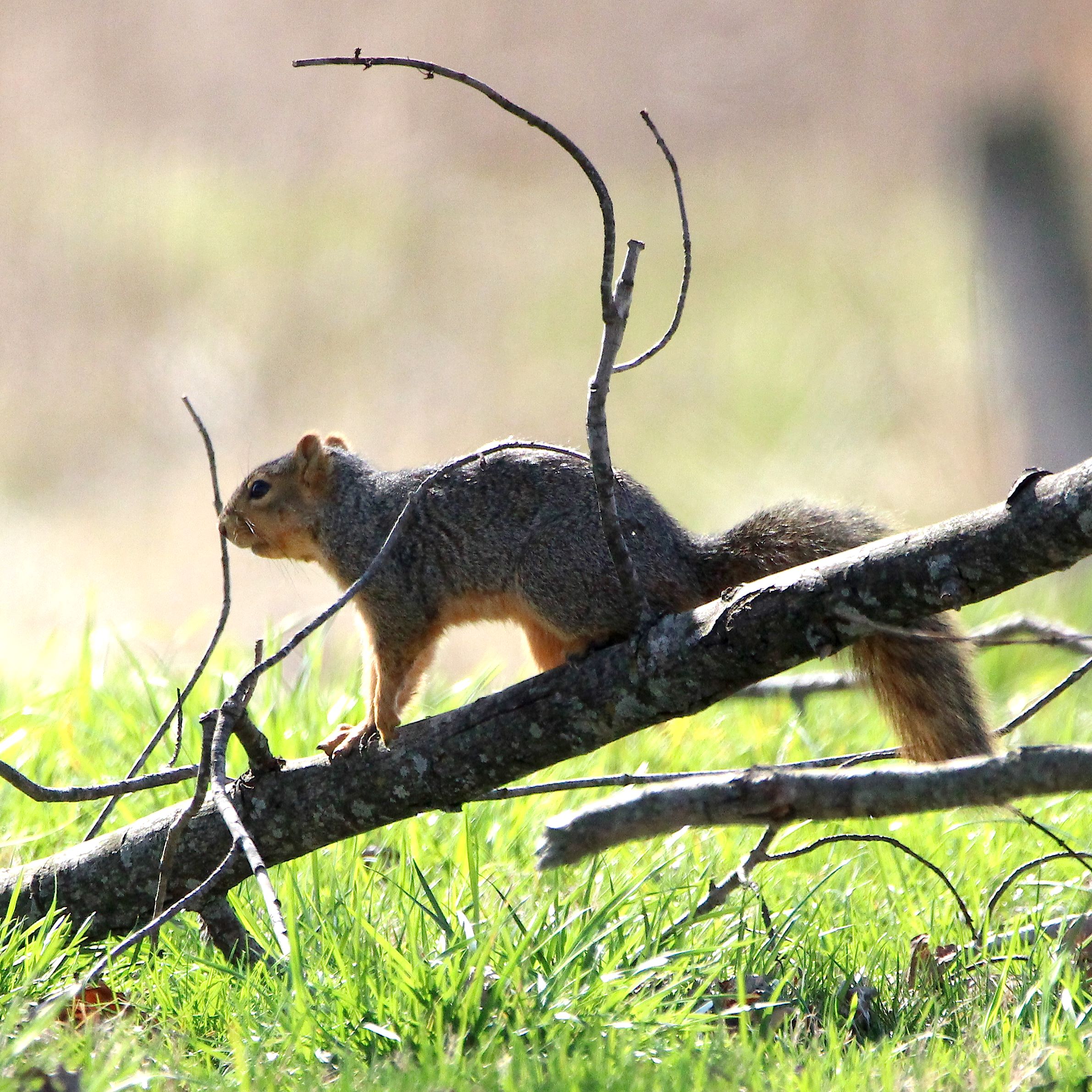
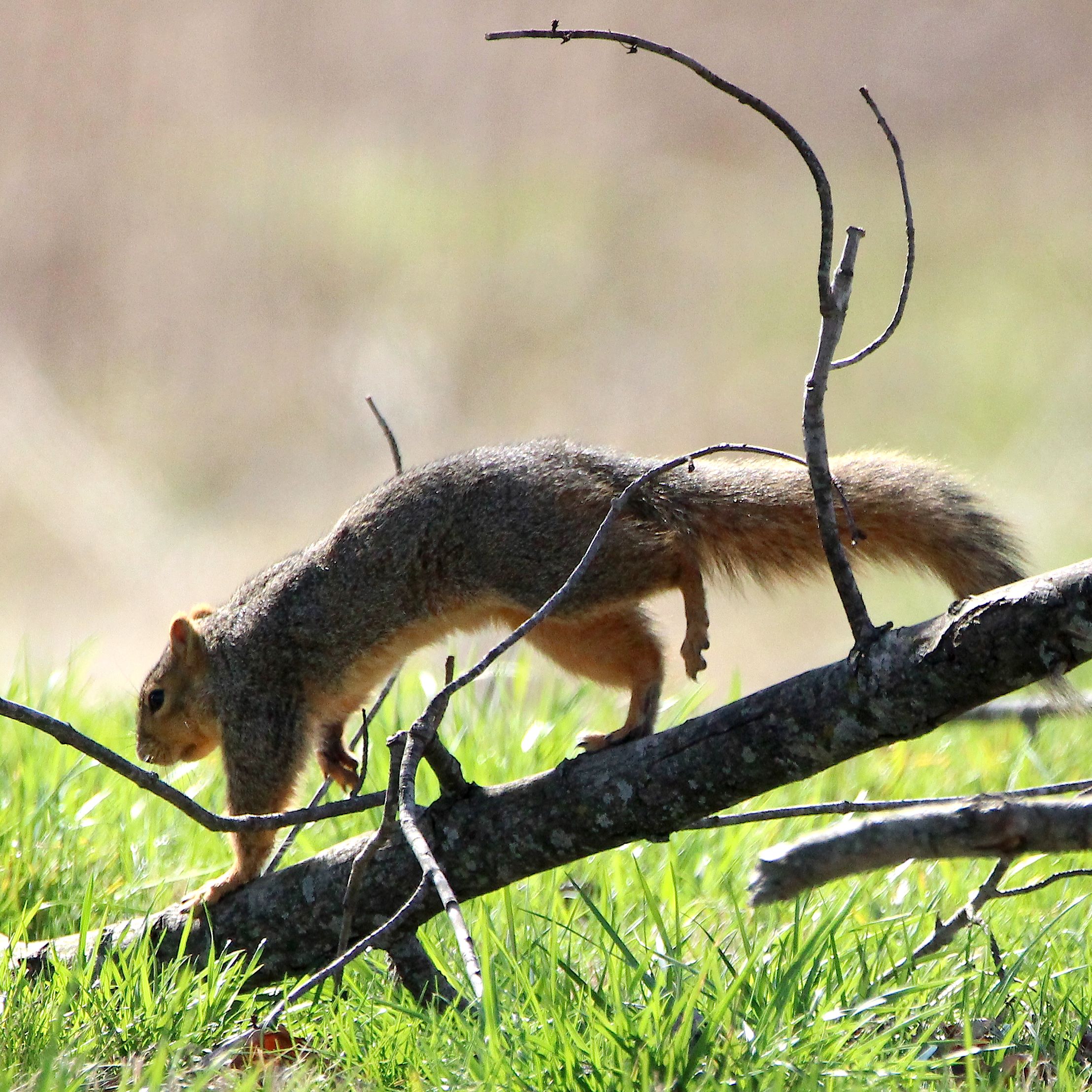
If you live in a city environment, you probably don’t even notice the squirrels; they are so common. However, our land is comprised more of prairie grassland and less of mature stands of trees. So, squirrels are a far less commonly observed animal. I find them fun to watch as their acrobatic skills are amazing. This is the larger, Red squirrel. I have also seen Gray squirrels in our area.
Turtle #1
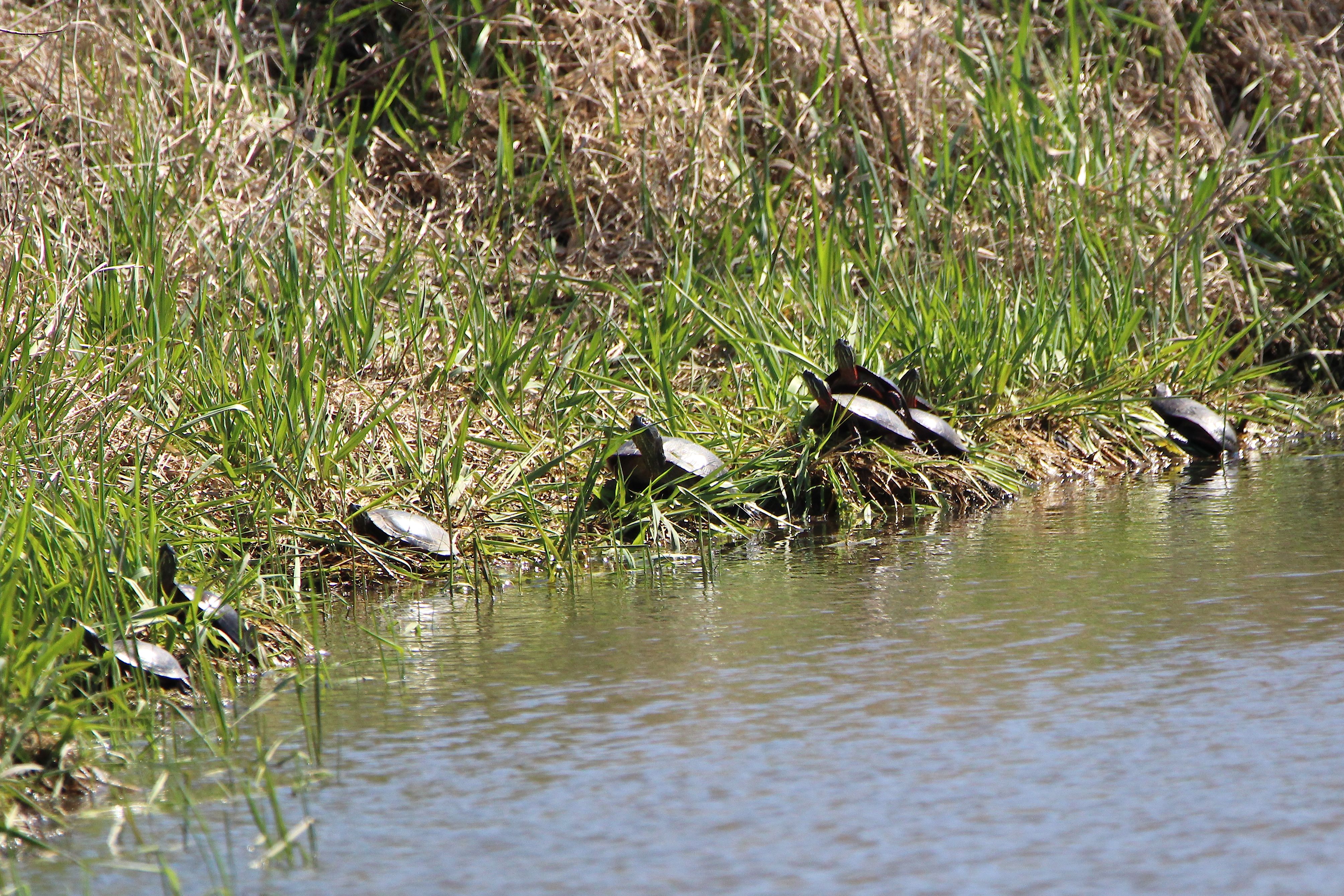
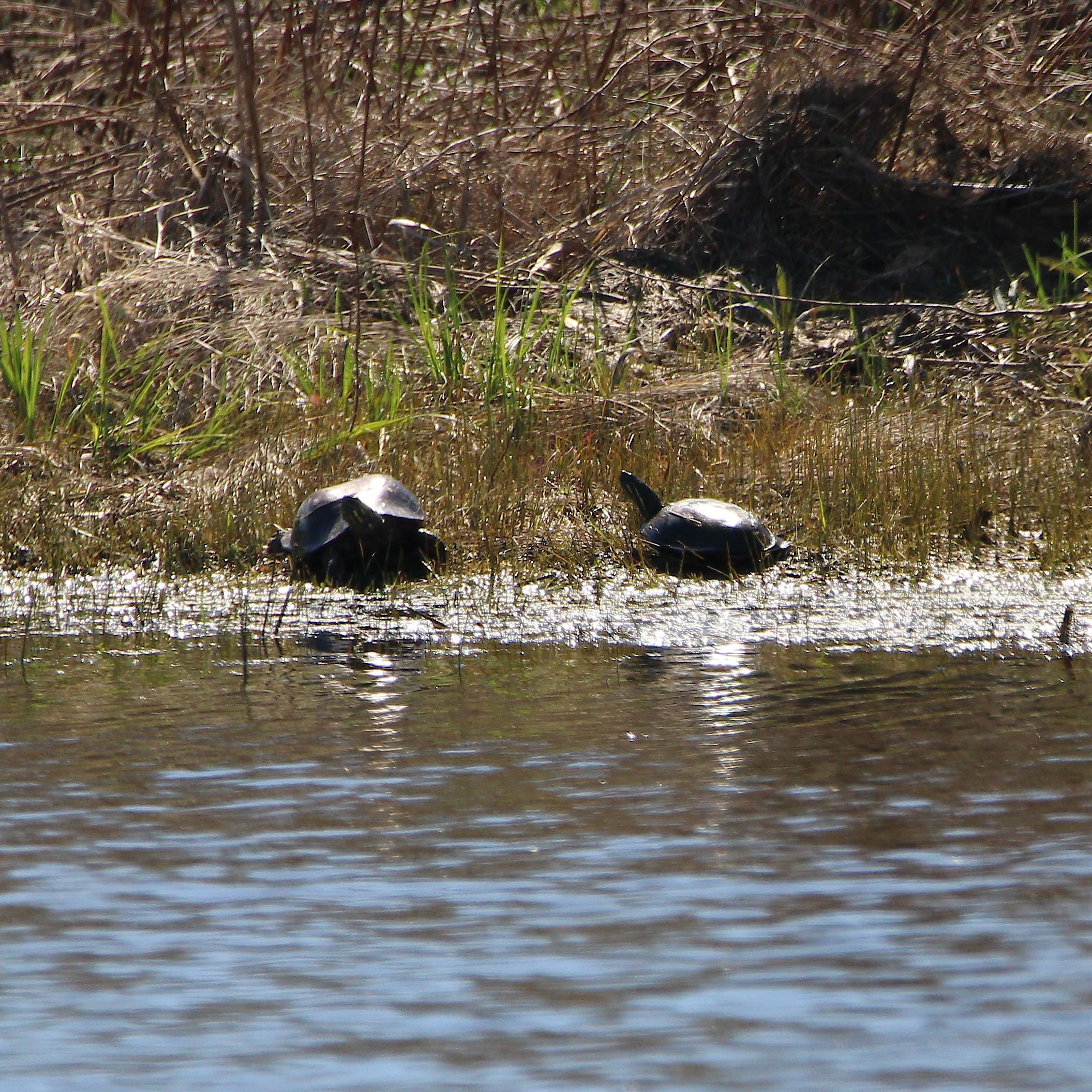
I have always called these Painted Turtles. But, I thought I should do a quick check to confirm. That’s when I found out there are 17 different species of turtles in Illinois. I am now far less certain about the specific species. Nonetheless, these aquatic reptiles spend the winter in the muddy bottom of our pond. In Spring, they come out to warm up in the sunshine.
Turtle #2
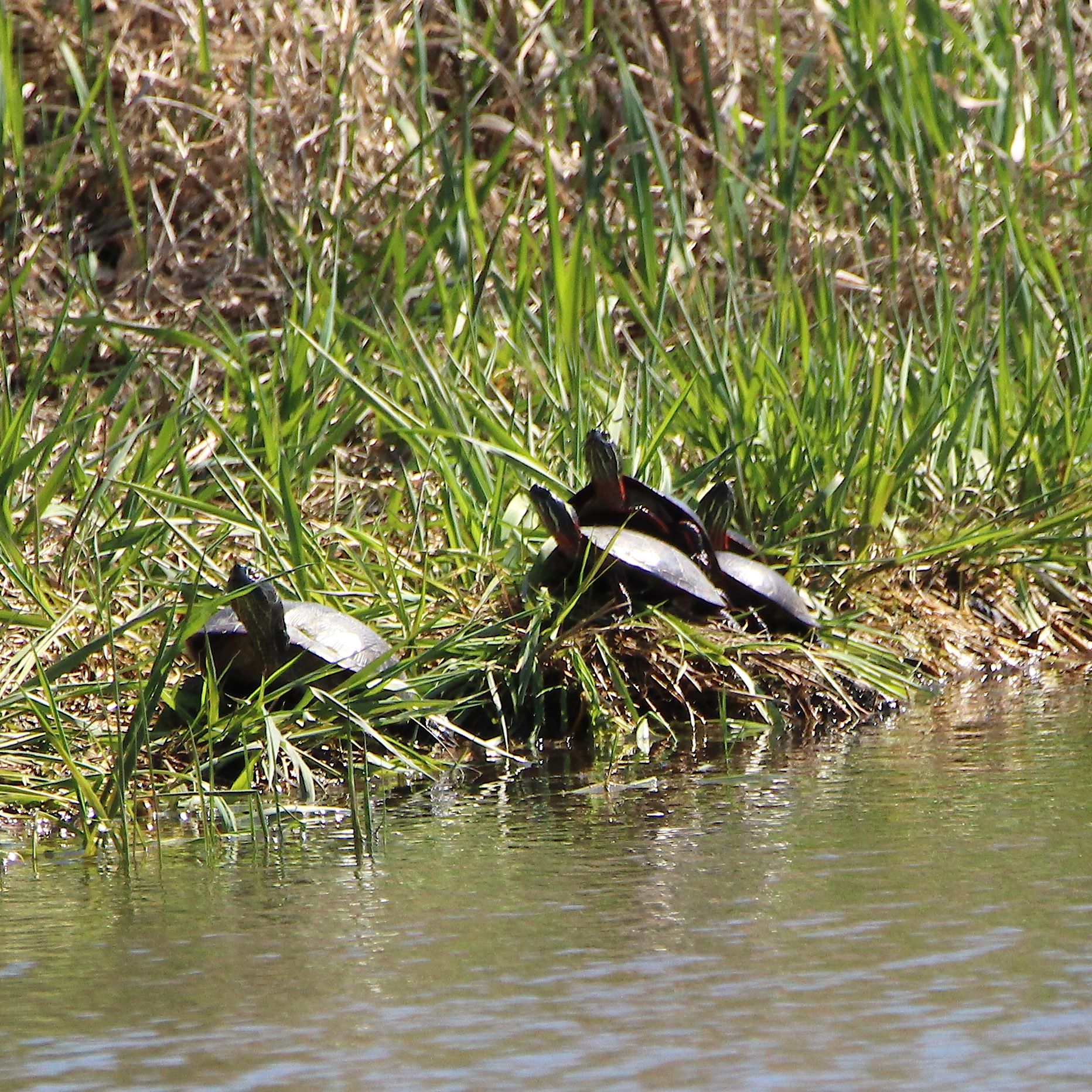
Originally, I had included the following image in the section above, which I can titled Painted Turtles. Then, I looked at the list of turtle species (with images) that live in Illinois and I think these look substantially different enough to consider them a different species. However, I can’t say which one. These individuals appear to have a more pronounced dome to their shell than the turtles above. They are also larger, albeit you have to believe me because there’s no reference in the two photos. But, these turtles really caught my eye from across the pond due to their size. Perhaps I can locate someone who can identify these guys for me.
Muskrat
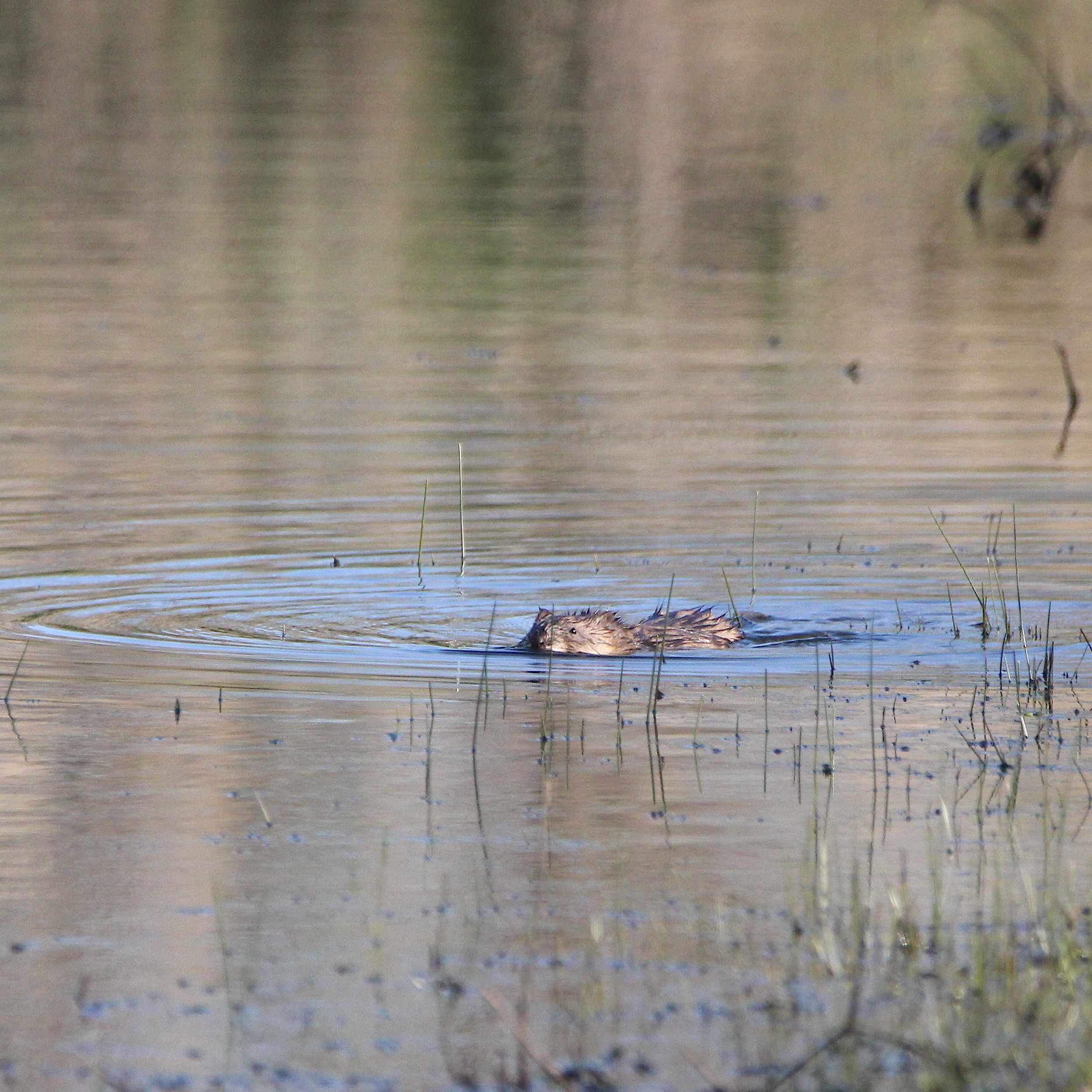
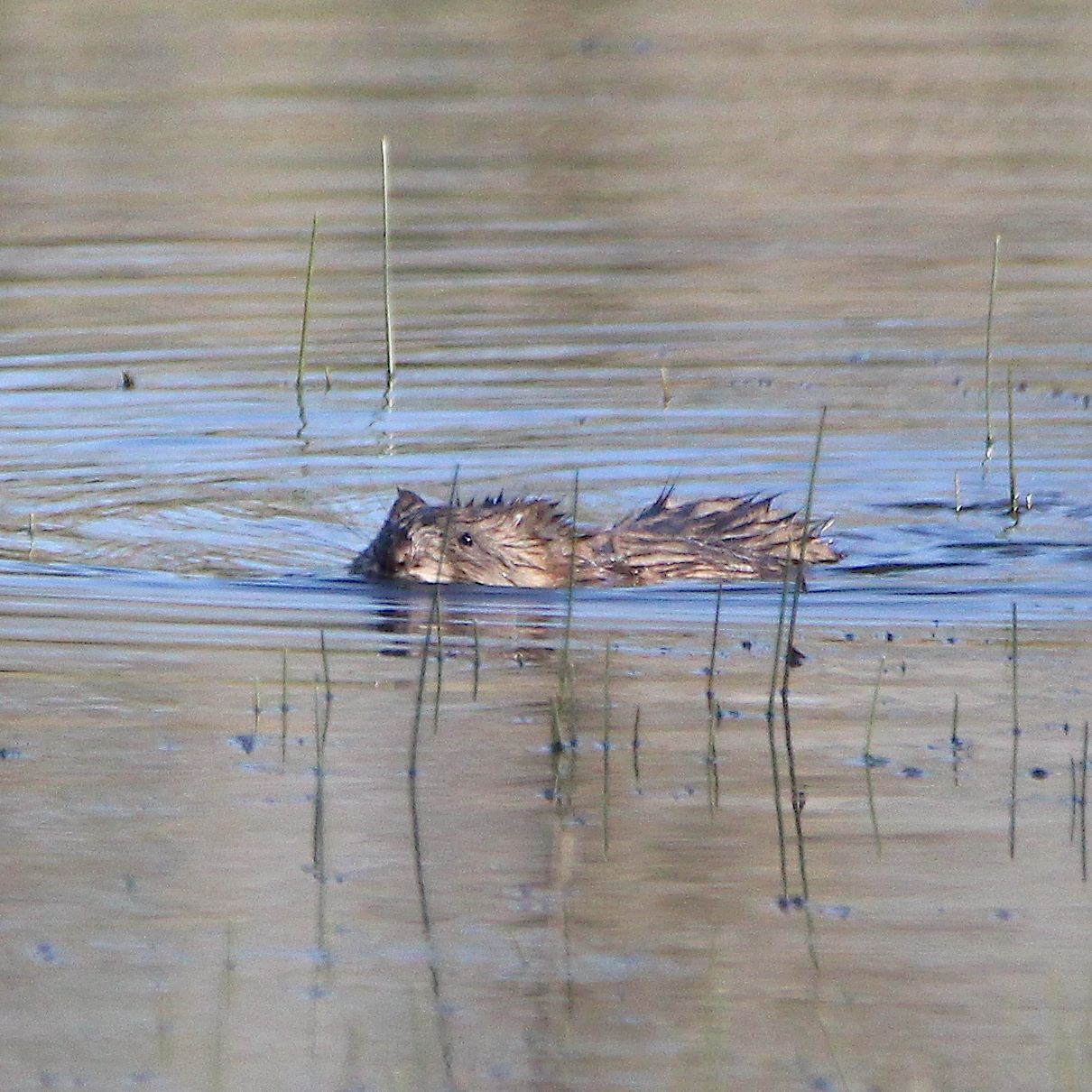
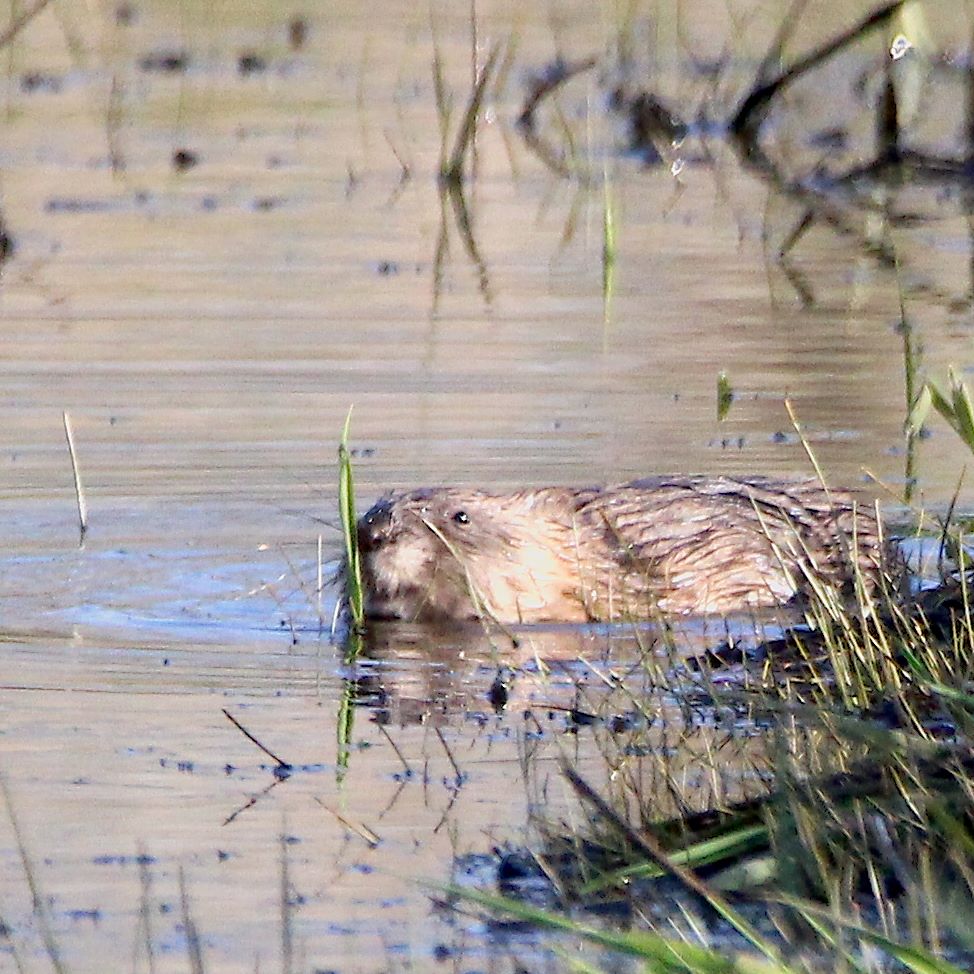
The Muskrat is a large, amphibious rodent, native to North American but it’s also found in other parts of the globe. To me they look like a “mini-beaver” but the description at Britannica calls the species a “robust vole.” I suppose it’s all about perspective! Muskrats mostly eat the vegetation found in marshy habitats, like cat tails and grasses, but will sometimes consume freshwater mussels, snails, crustaceans and fish. “Our” muskrat (which I suggest is a single individual only because I’ve never seen more than one at a time and who I find quite endearing and cute as a button), builds large mounds of plant material in the winter. I have learned are called ‘lodges’ where they seek refuge from the winter weather and use as food stores. They can remain submerged for up to 20 minutes at a time, and they swim in a mostly submerged silhouette, which makes it challenging to capture them on film. I got lucky last week and was able to observe and snap a few photos of this guy (or gal.)
The OMG Snapping Turtle
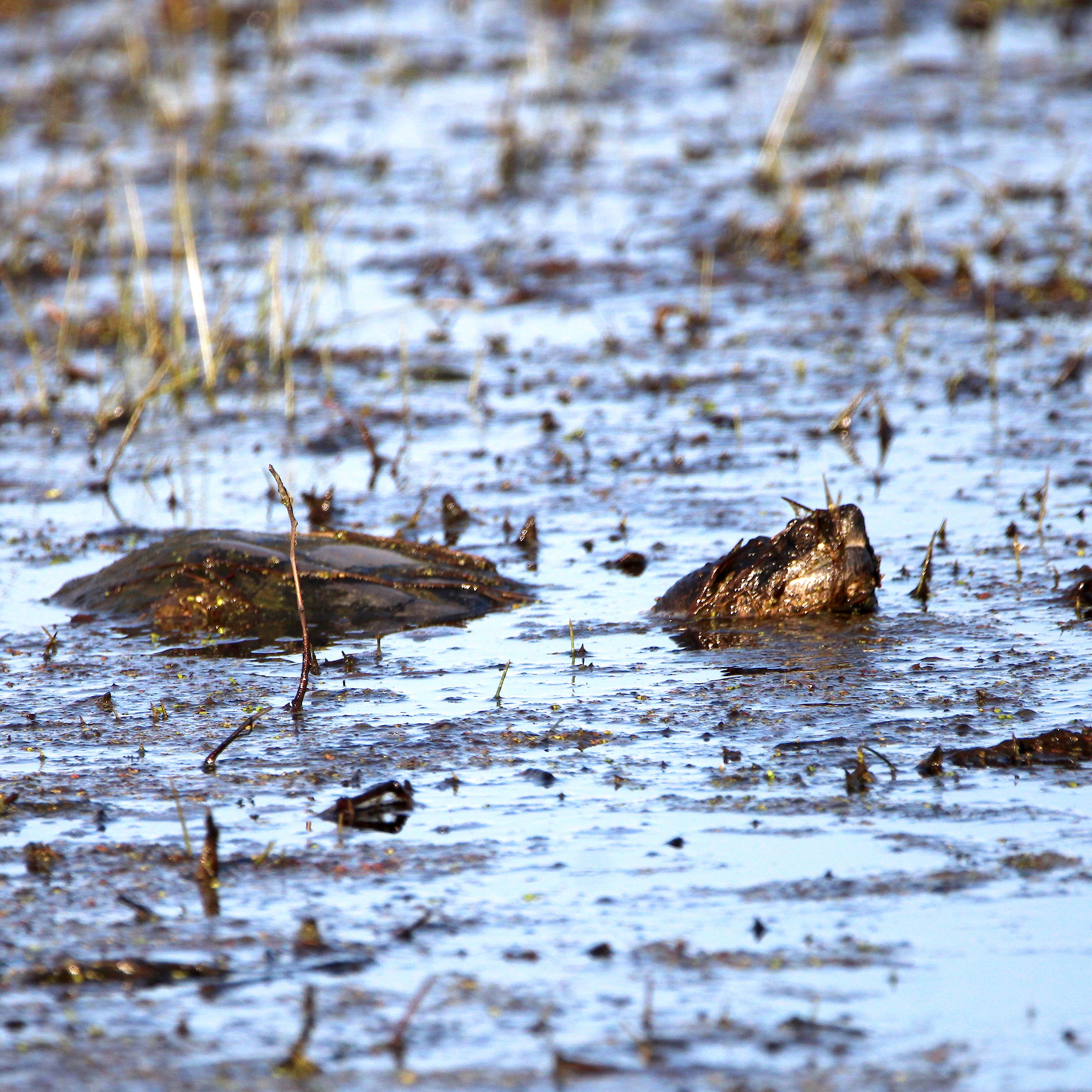
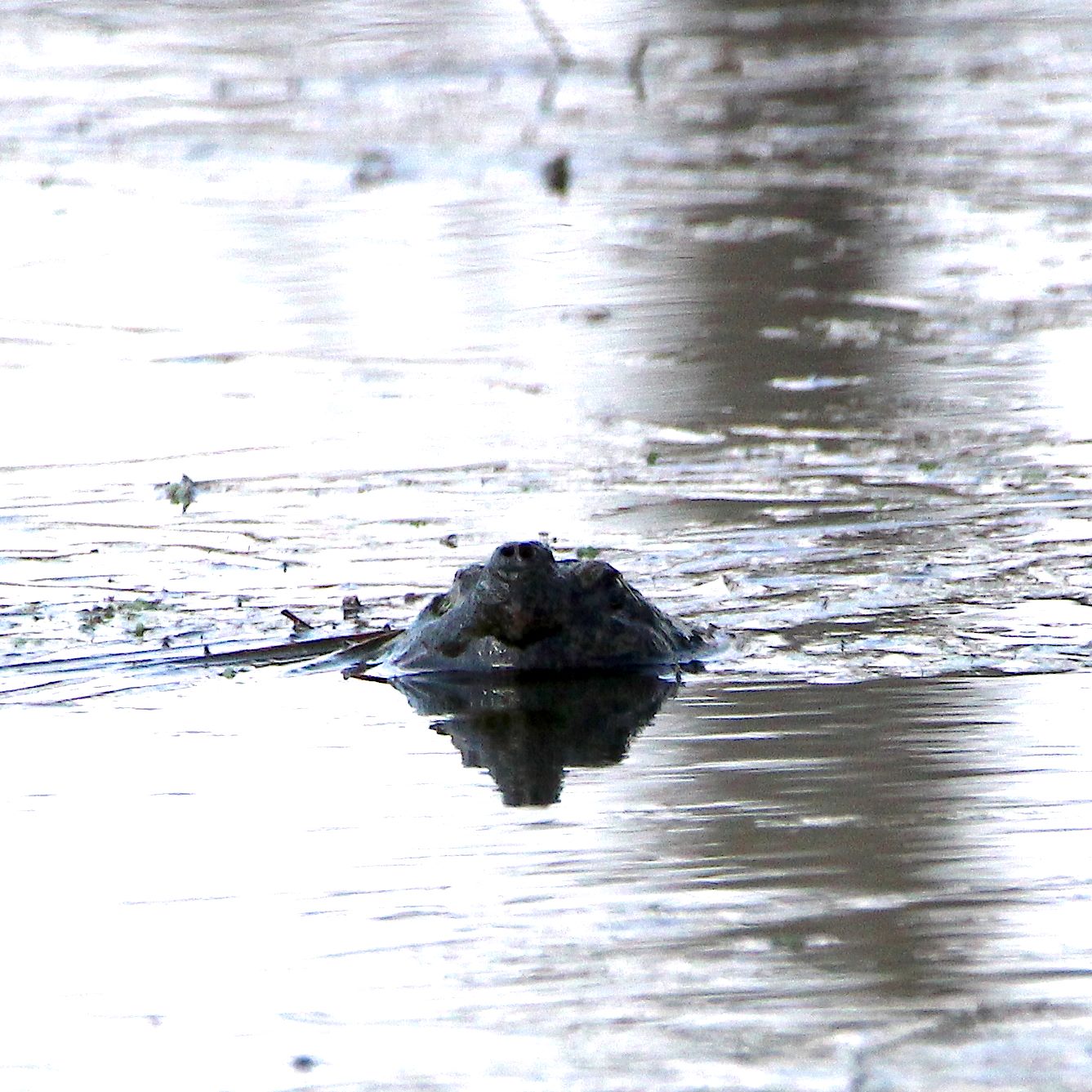
That’s not the real name, but that is how I always feel when I see one. Years ago when, apparently Robert and I had more time to relax and take a break, we actually went fishing at our pond. That’s when we learned about the snapping turtles that live in the waters. More than once, a snapping turtle took the bait intended for Bluegills and we were able to pull the beast out of the water and up the shore. Their size was formidable, and we realized that these were dangerous creatures that could take off a finger if you got too close to that snapping mouth. When I couldn’t figure out what was happening to our baby ducklings, I learned that snapping turtles will take one or two ducklings per day off the water’s surface. At the time, I kept a nice flock of Khaki ducks which laid eggs in nests near the pond’s edge and when they hatched, there were a good dozen ducklings swimming with their parents. The next day a few were missing until, by the end of a week all the ducklings had been nabbed. Last week I filmed this very sizeable snapping turtle moving about in the shallows of the inlet by the cattails. I would estimate this individual is at least 24″ long.
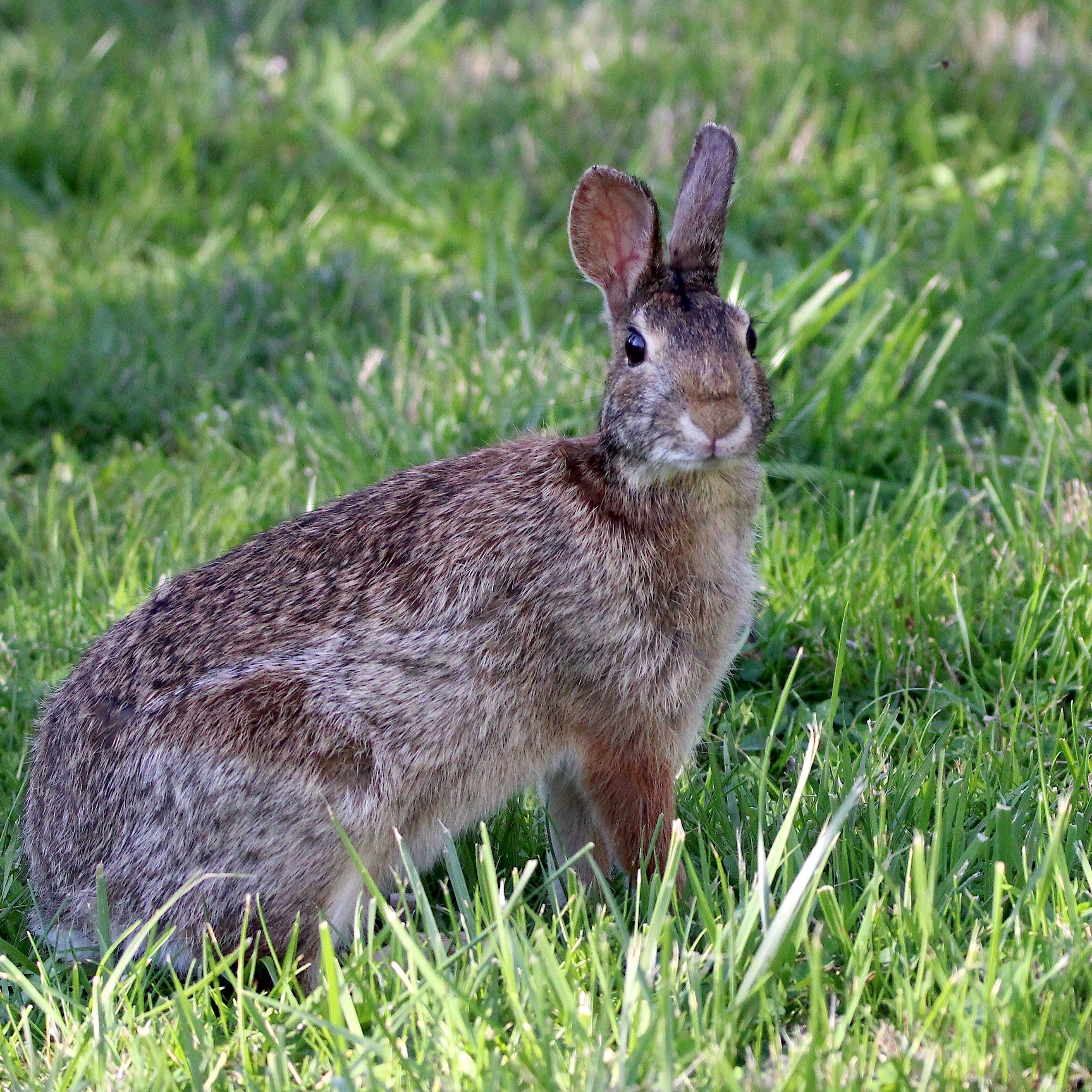
Cottontail Rabbit
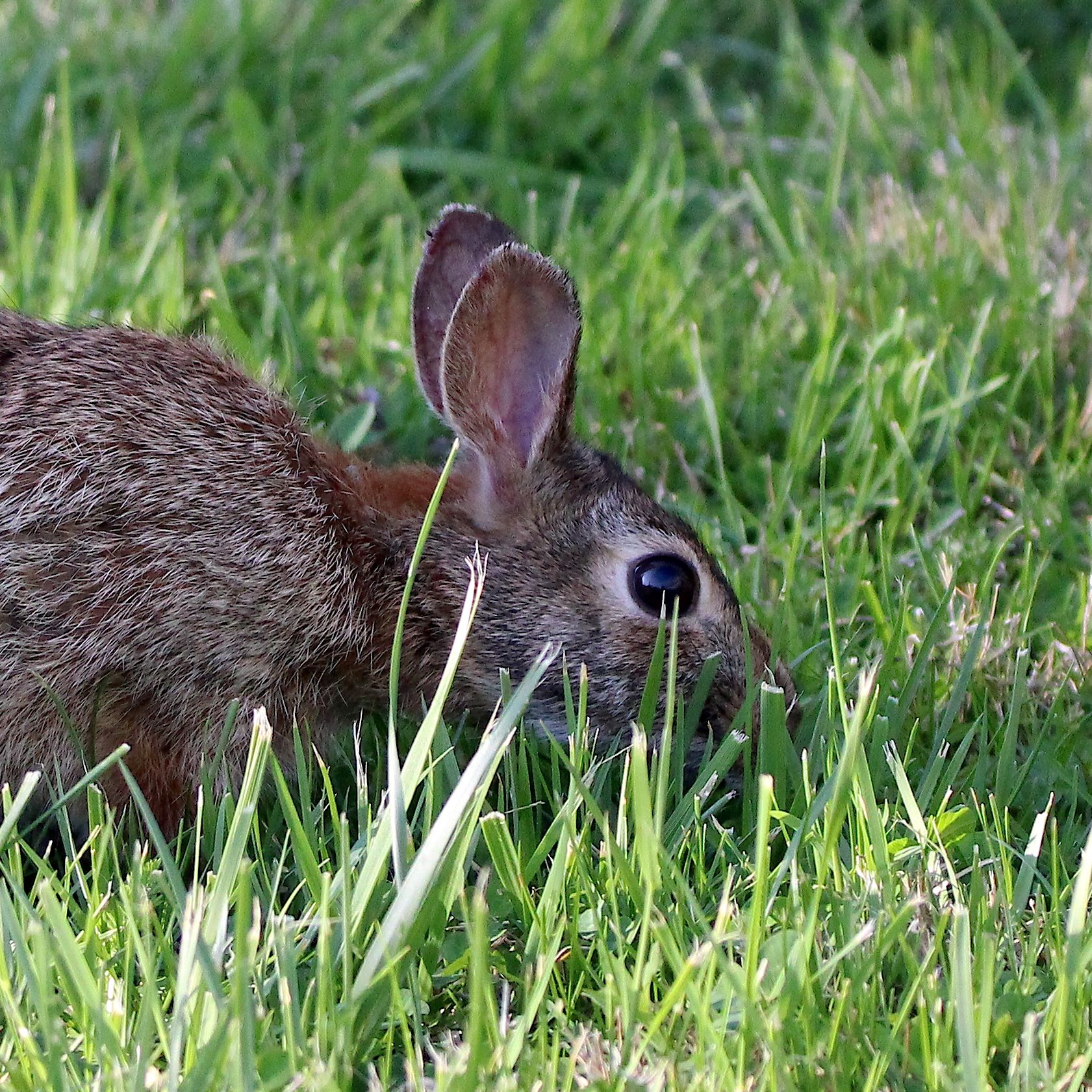
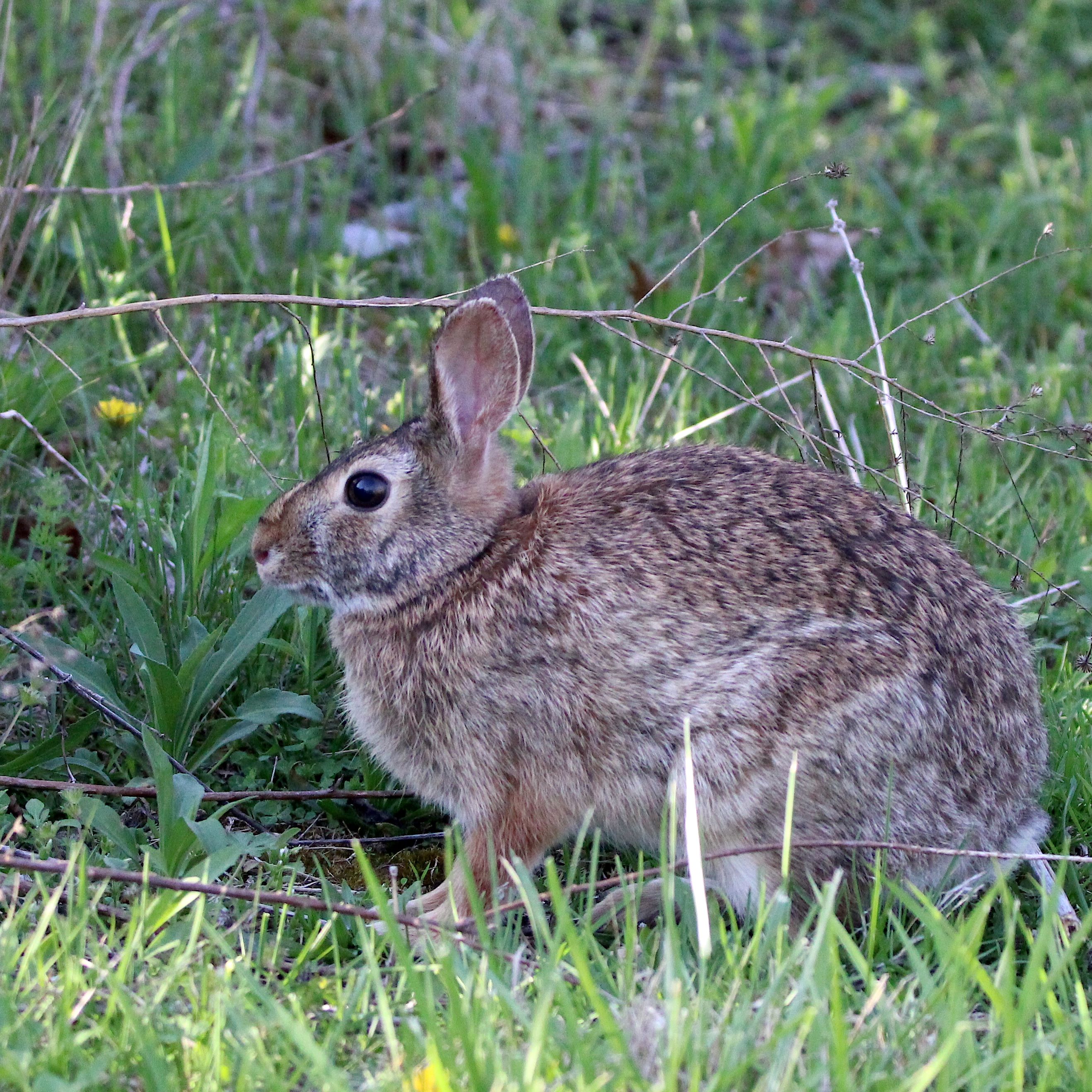
Moving from abominable to adorable, this cottontail rabbit sports a cuteness factor that softens my heart. Their population cycles from high to low fairly regularly. Two years ago, we had an abundance of bunnies that I filmed throughout the summer months. Last years, I only spotted a few individuals. They have a ‘freeze in place’ behavior that allows me to get quite close to them while they remain fairly still. Then, they hop off into the hedge row.
Our Pond
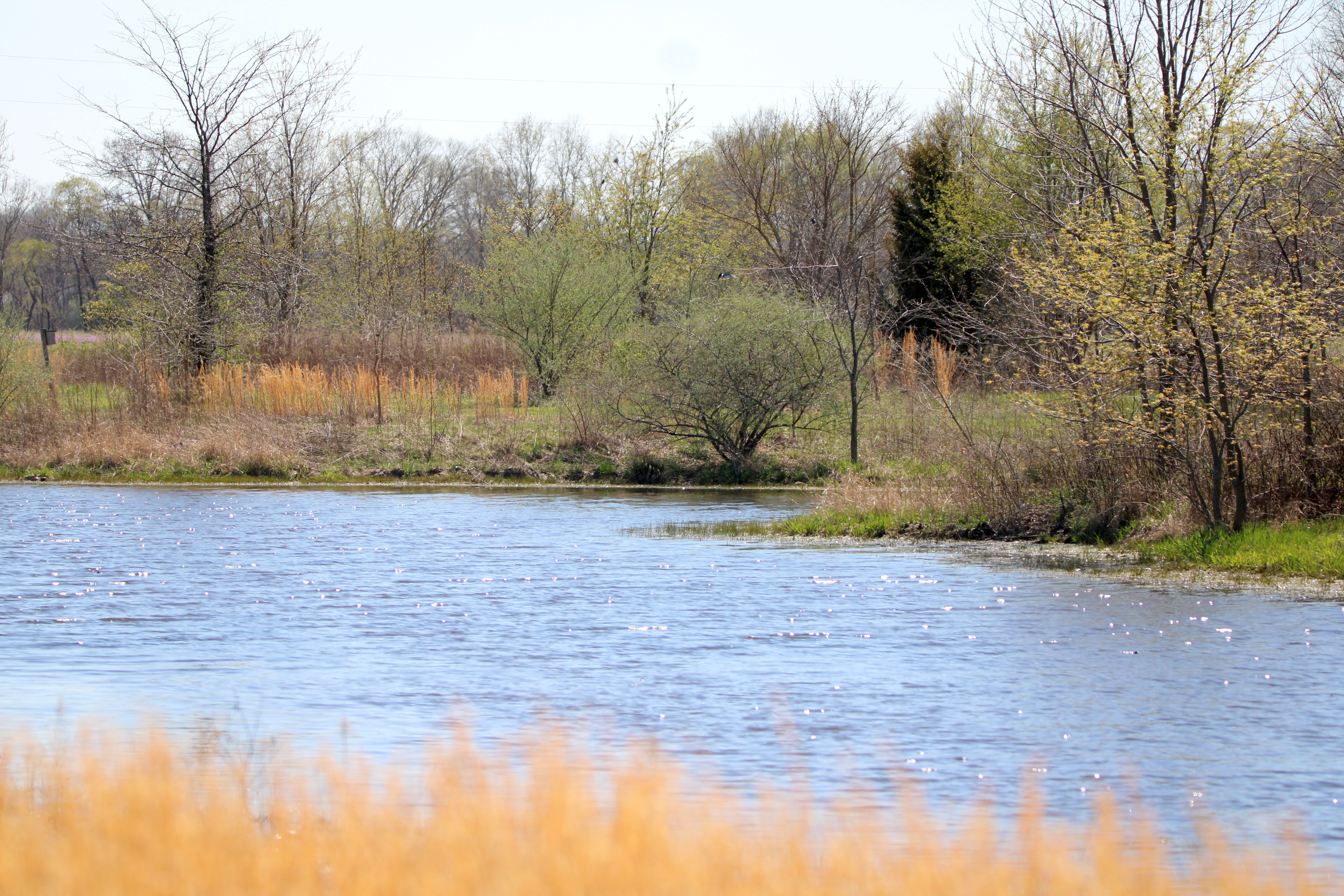
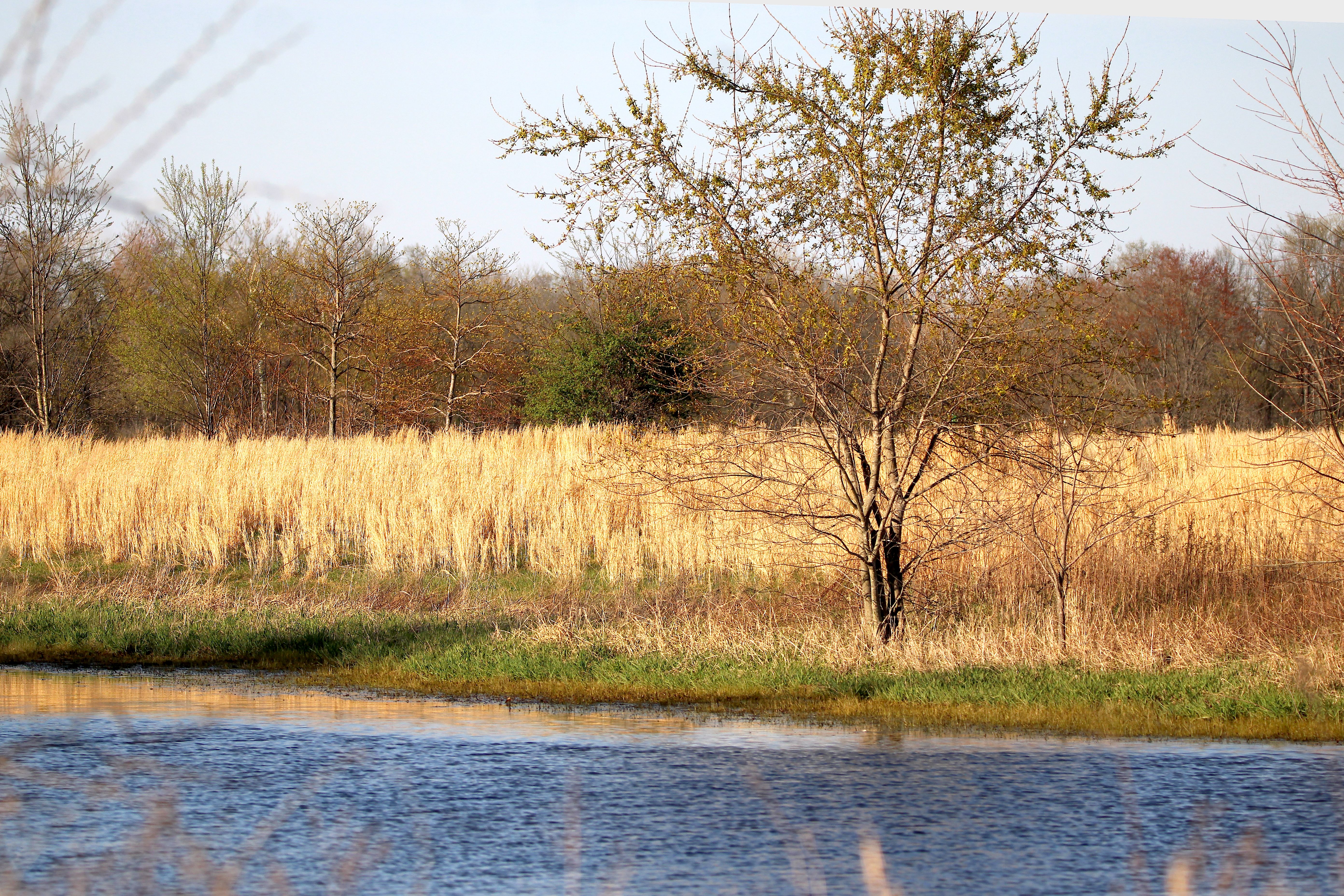
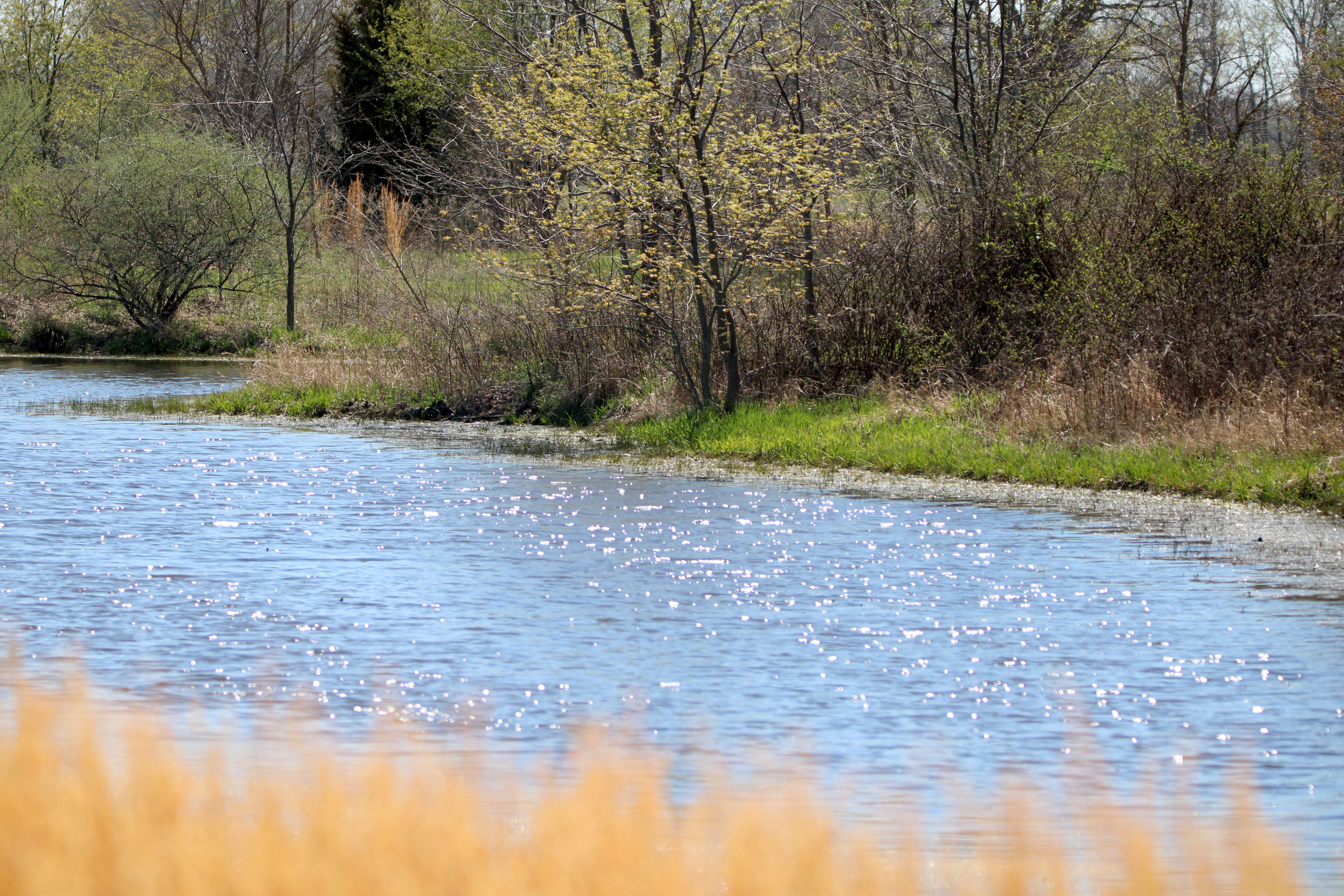
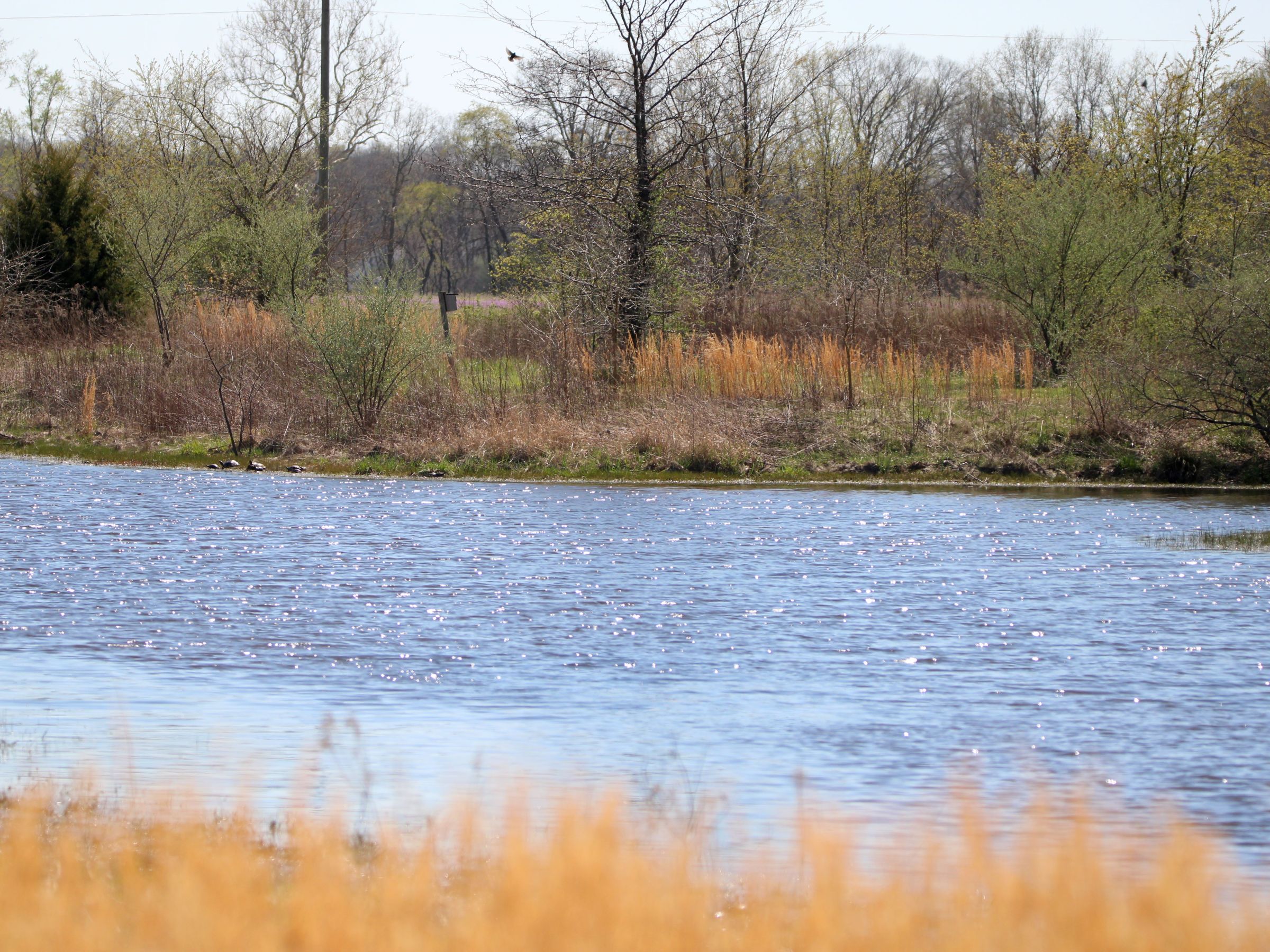
While it isn’t a plant or an animal, it supports both. To me, it looks its best in Spring when the water is cold and crisp and full.