Tammie Rogers
Inspired by Dogs & Nature
I’ll Take One Of Each
Over the past ten days, the variety of bird species that I’ve observed has increased fairly substantially. While I typically create posts in this blog that are about a specific species or event, I’ve decided to post a single photo of each of the species I’ve seen quite recently. The only diversion from that is that, if the genders of a species are very different looking and I was able to capture an image of both, then I’ll post both birds.
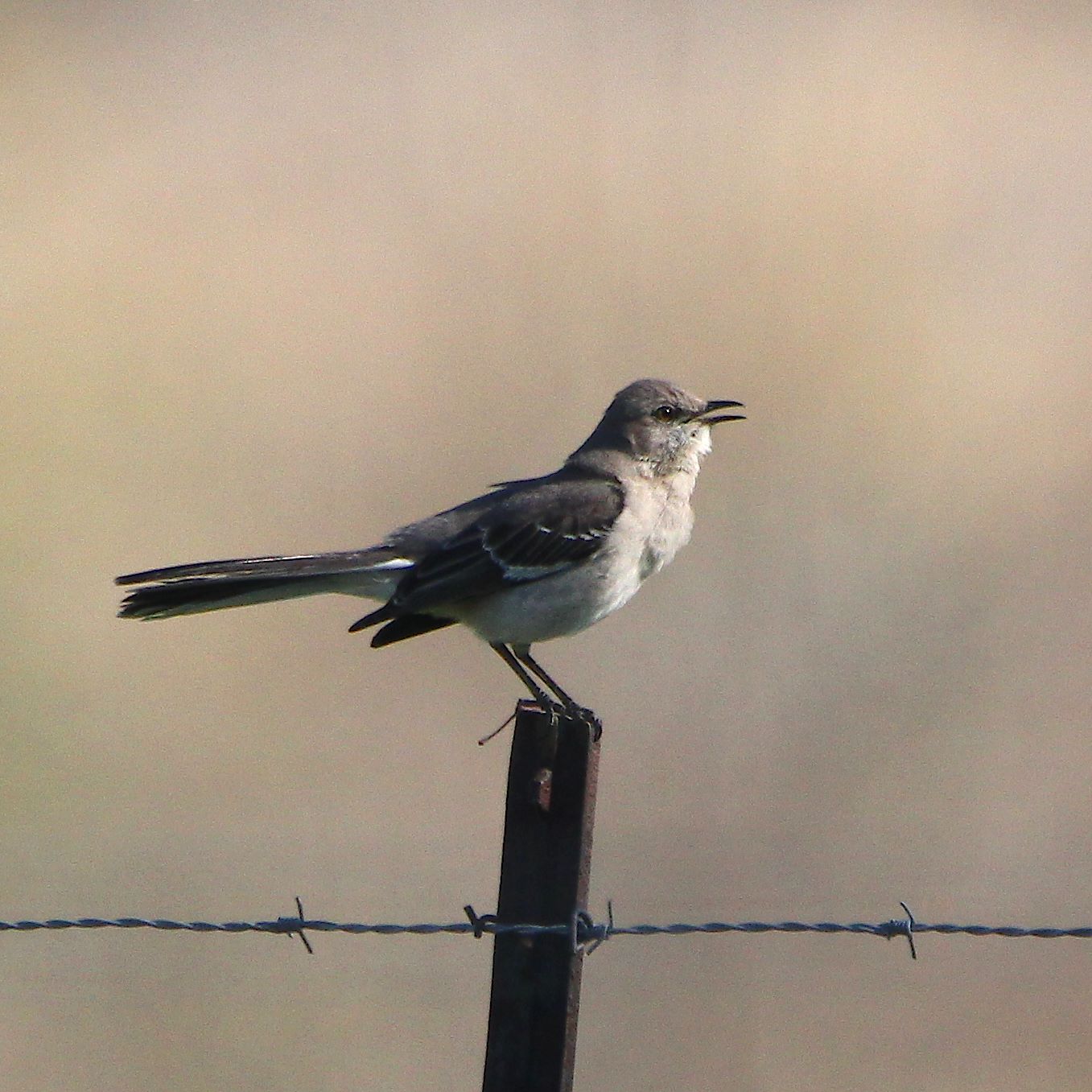
Northern Mockingbird
I’m thrilled to see this bird, as last year I saw many fewer of this species than in previous years. This individual was showing off his remarkable vocabulary of bird sounds.
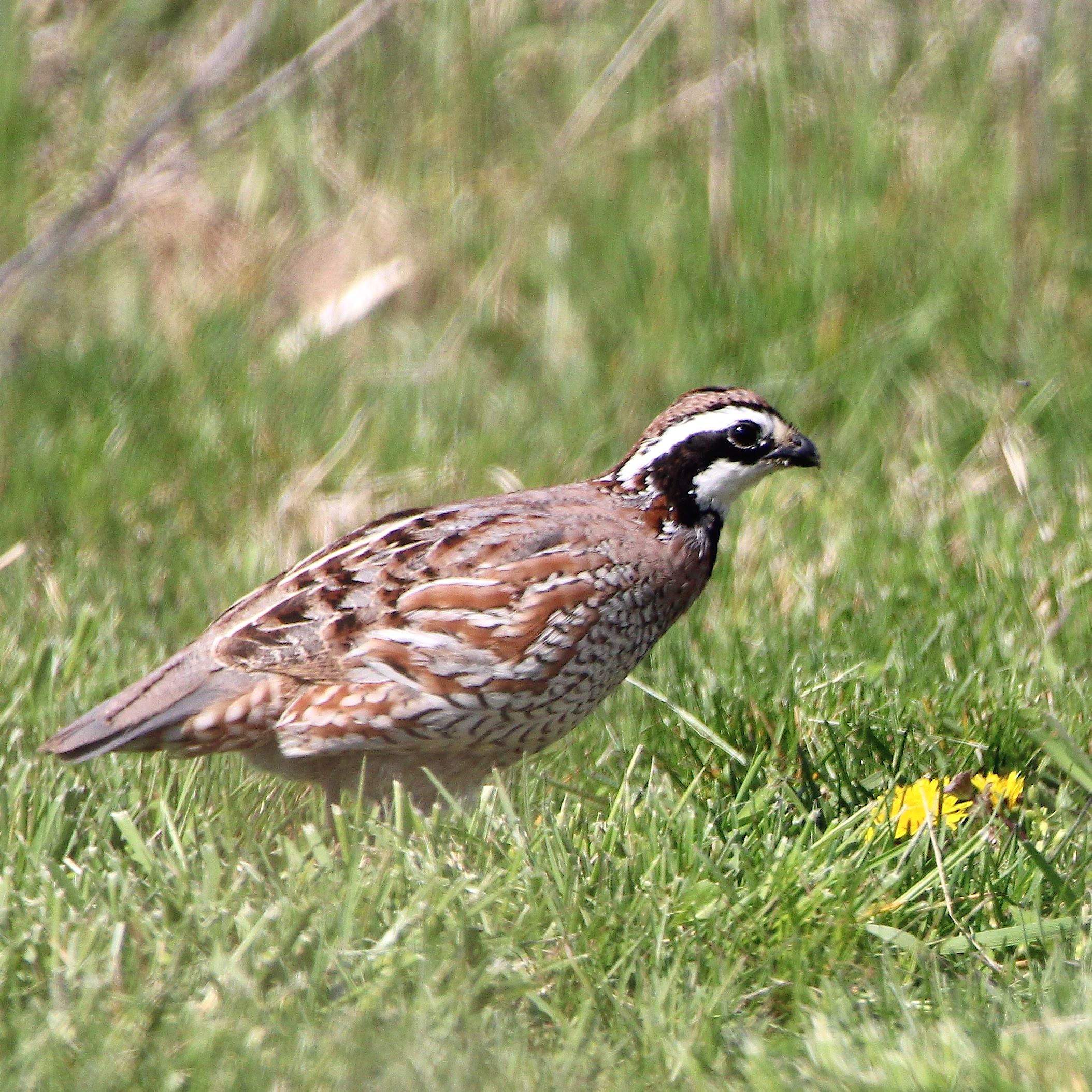
Northern Bobwhite
The Bobwhite is a species categorized as “common bird in steep decline” and they are an increasingly high priority for conservation, due to habitat loss and changes in agriculture. We are so happy we have an environment in which which this lovely, full-year resident can thrive.
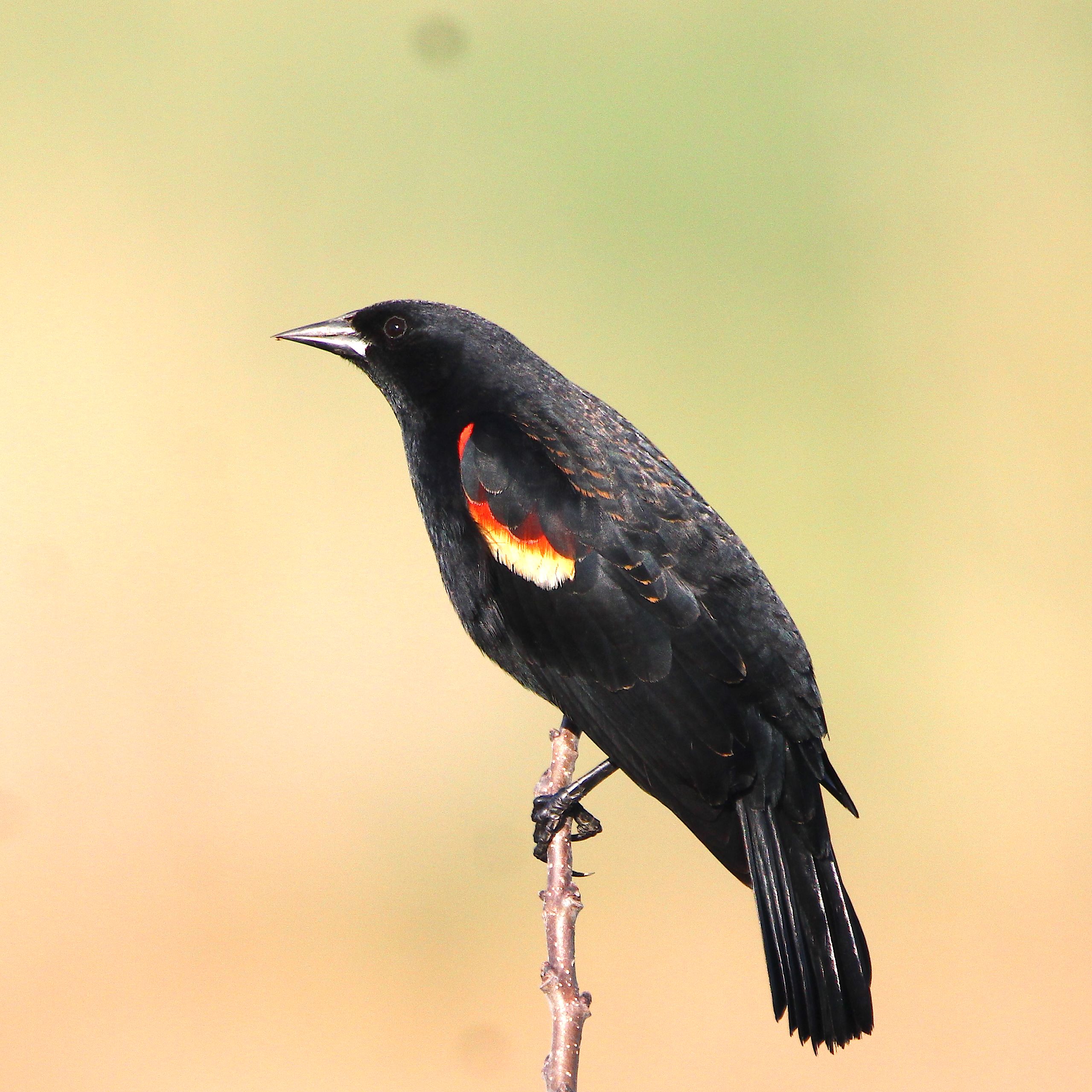
Red-winged Blackbird
This is one of my favorite birds that summer here to raise their chicks. They tend to make their nests around the pond, which is a very tranquil place for me. Shown here is a male (top) and females (bottom.)
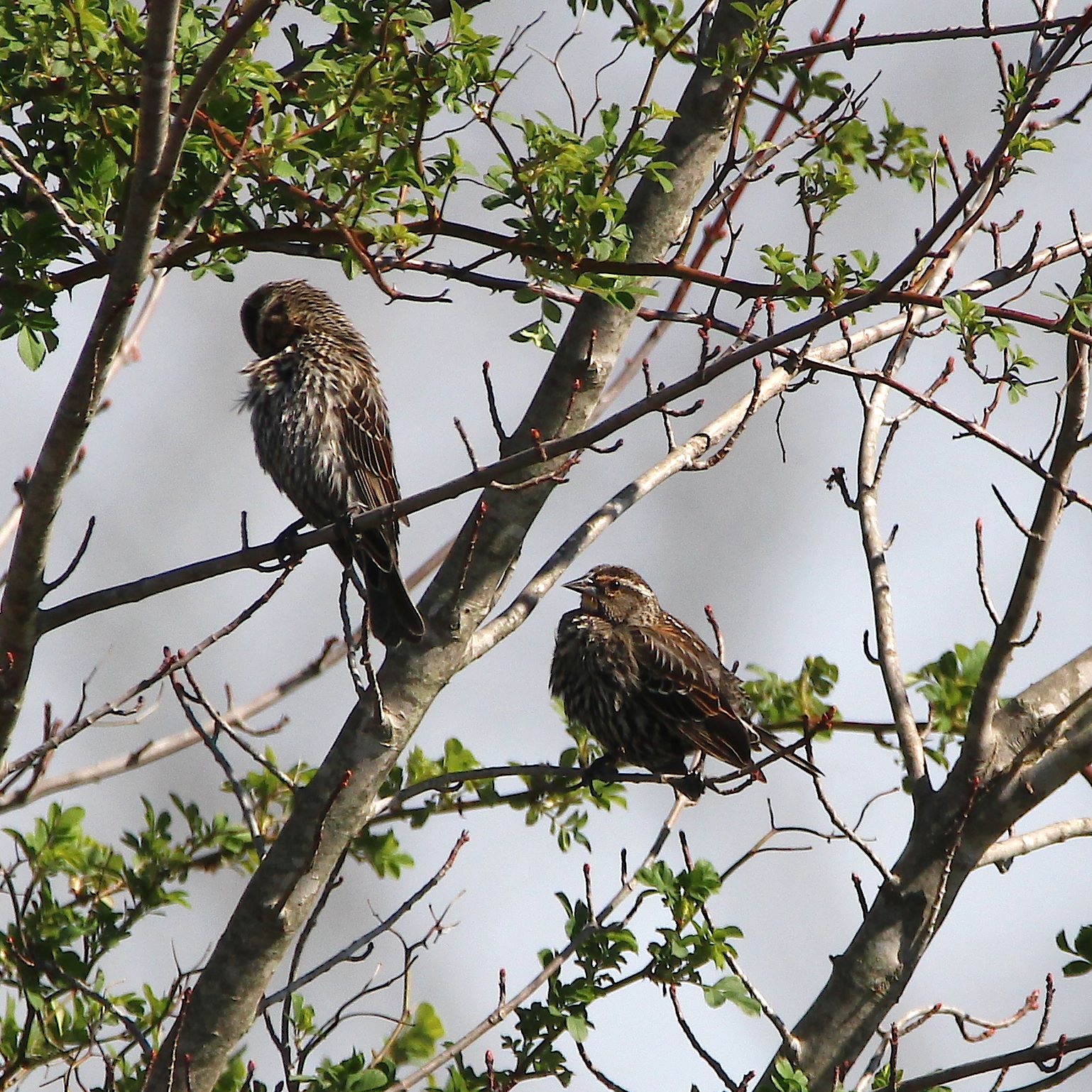
Carolina Chickadee
These are very endearing, little birds that have almost no fear of humans. In fact, it’s not odd for one of these cuties to come into my space as I enter an area, rather than flying off like most birds do.
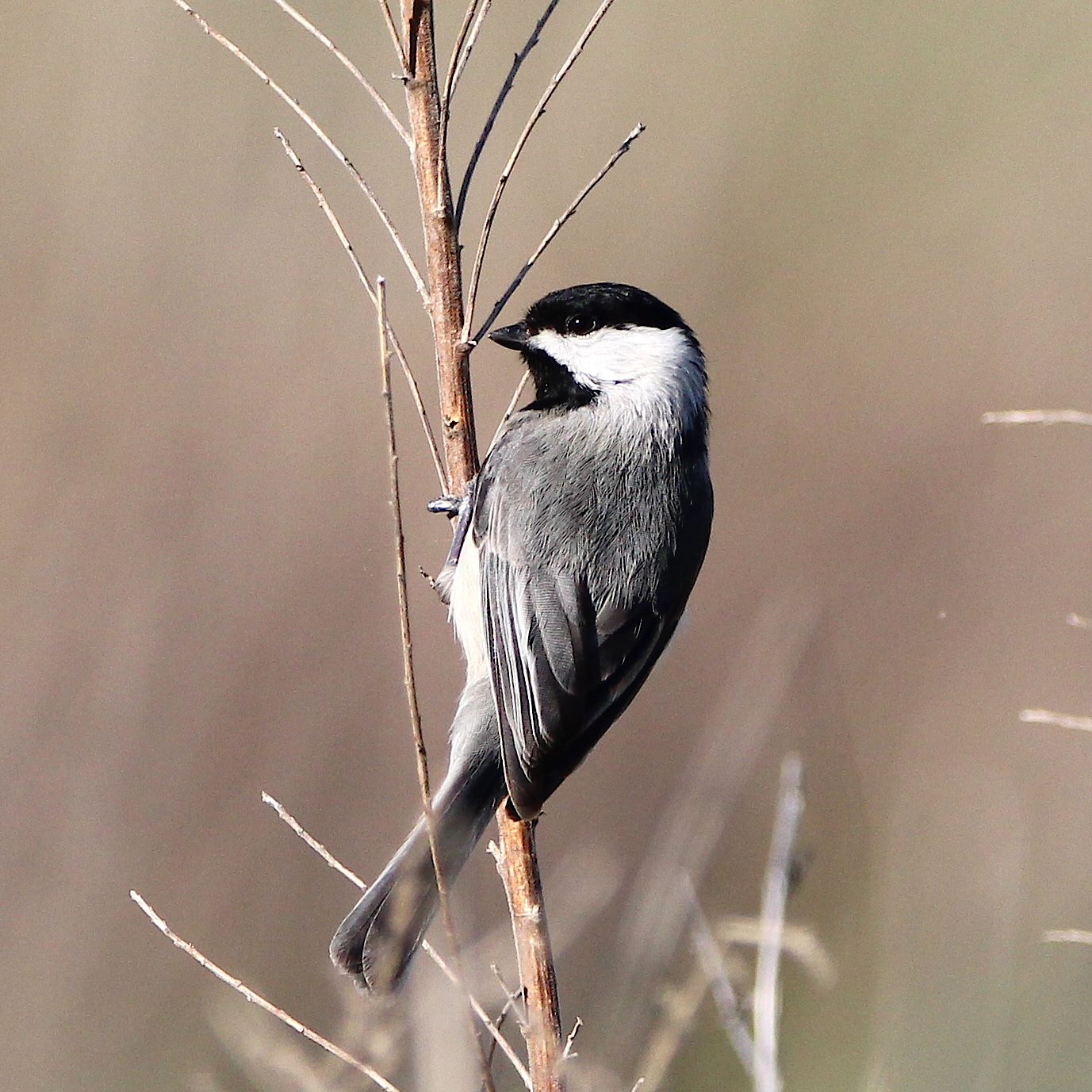
Canada Goose
A pair of these regal birds spent an afternoon in our pond, noshing on the aquatic plants that are beginning to populate the shallows.
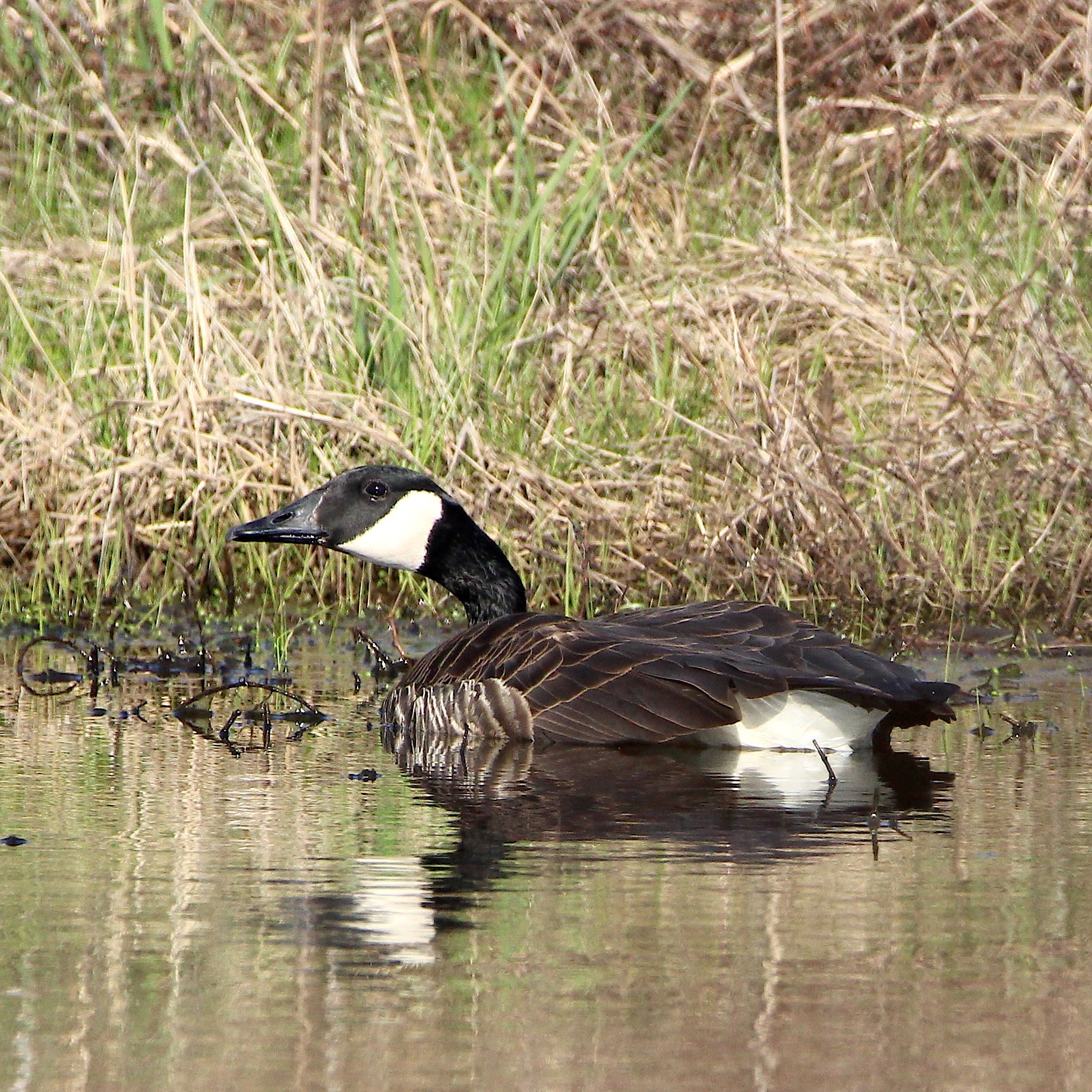
American Robin
These handsome (and vocal) thrushes arrive in early Spring and can be found all around our property.
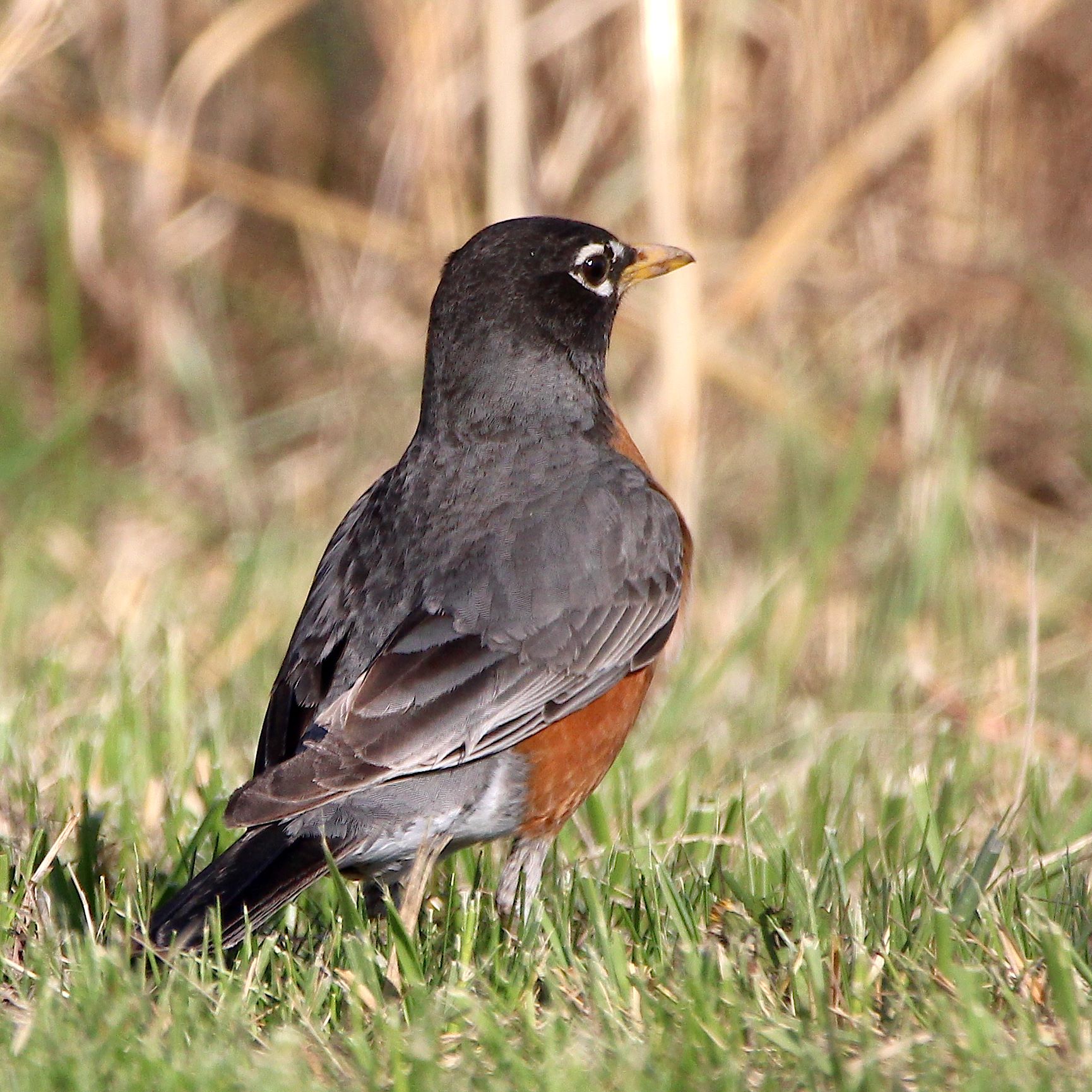
White-crowned Sparrow
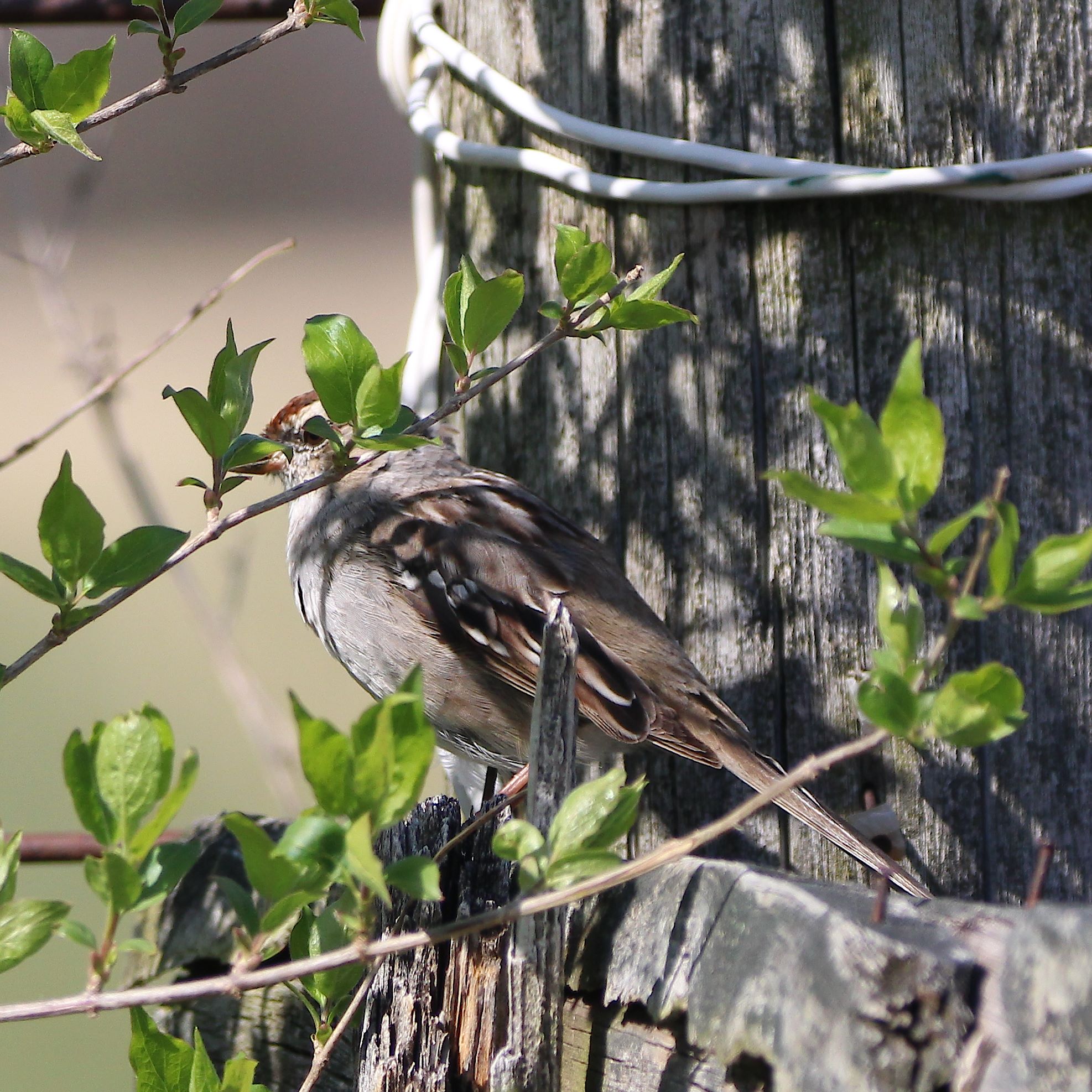
These chipper little birds winter here, but go far up north into Canada for the breeding season. The adults don a “white crown” which is quite pronounced against a black marking. However, the juveniles sport a brown crown and I can often become confused as to what species they are, especially when they are obscured by branches like this individual is.
Song Sparrow
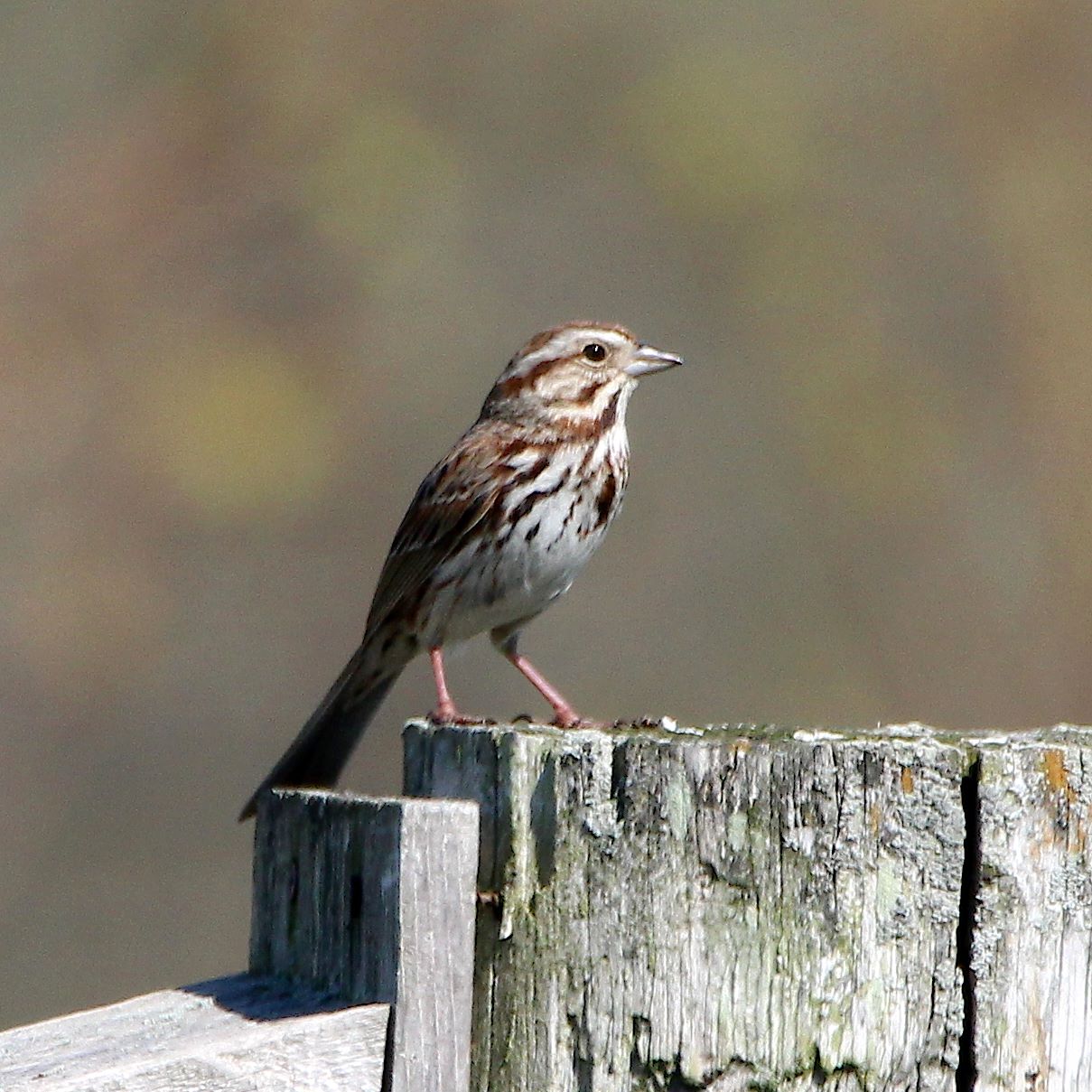
Another year-round resident, they break the relative silence of the winter world with their song in early Spring.
Purple Martin
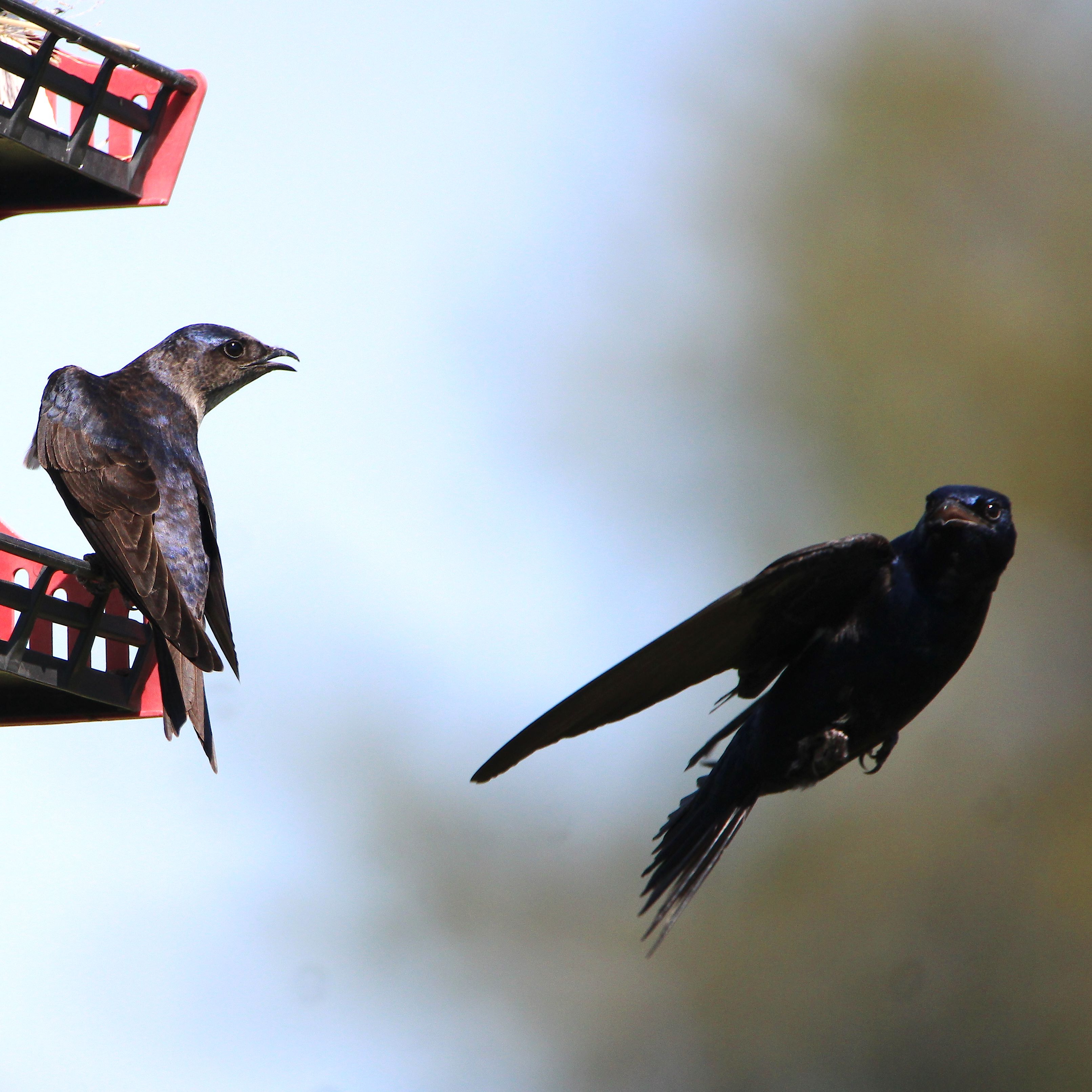
This species presents sexual dimorphism (the two genders are dissimilar in appearance.) Here, the female clings to the railing of the house as a male flies off. Their expressions suggest that they may have had a significant “communication” before the guy flew off. Or, is that just my human brain talking? Who is to say?
Northern Cardinal
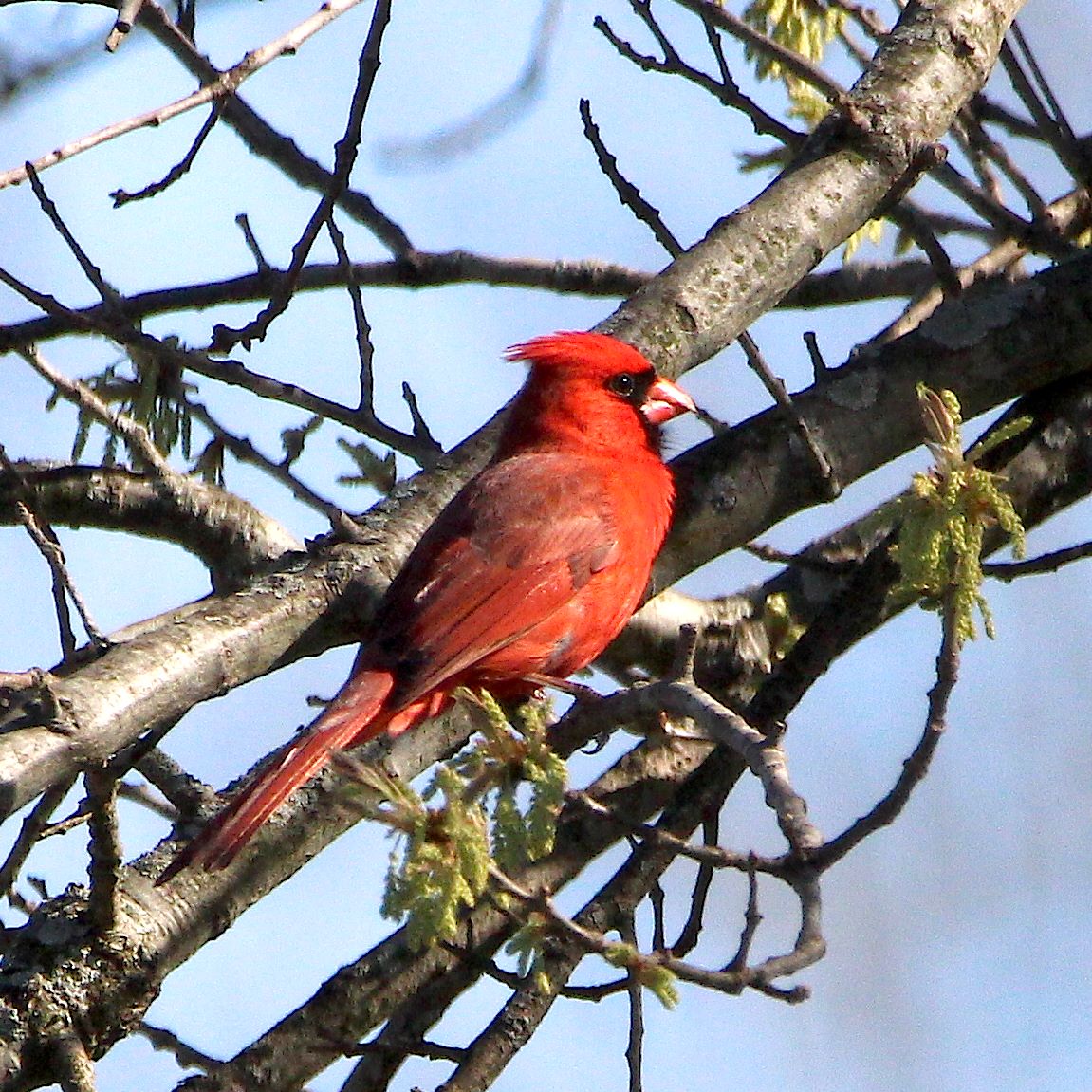
A year-round resident, and also a species that sports different colors on the two genders…however, I wasn’t able to film a female at this time. This handsome male was singing to his mate near the evergreen tree where I have seen this species make their nests for the past four years. His beak looks a little wonky, and I wonder if he has a bit of a crossed beak, which isn’t common in this species.
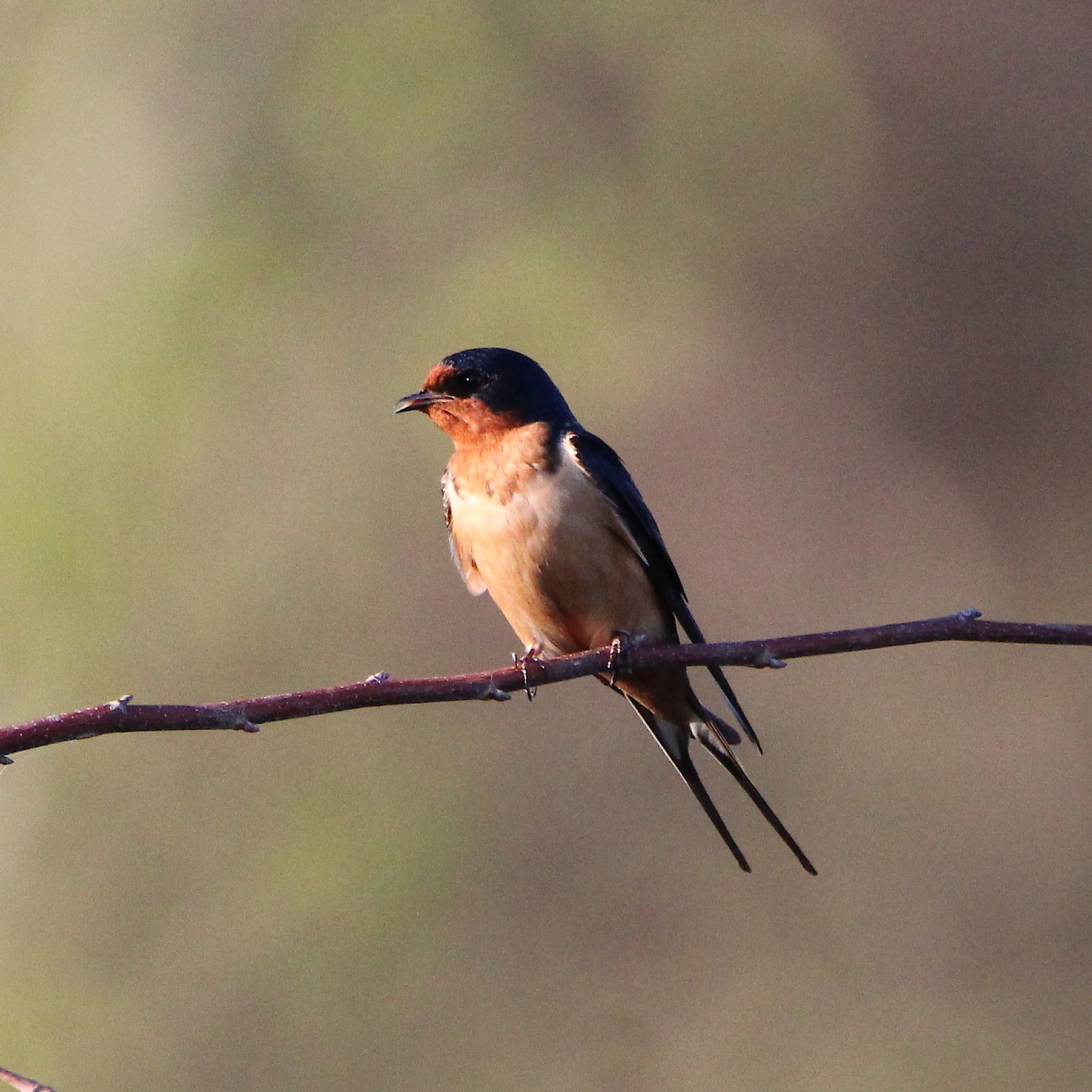
Barn Swallow
One of four swallow species that we see here, the Barn Swallow typically arrives later than the Purple Martins and the Tree Swallows. I took this photo on 4/12/23, the first day I saw one. Barn swallows make their nests on or in buildings (like barns) and so they are quite accustomed to humans.
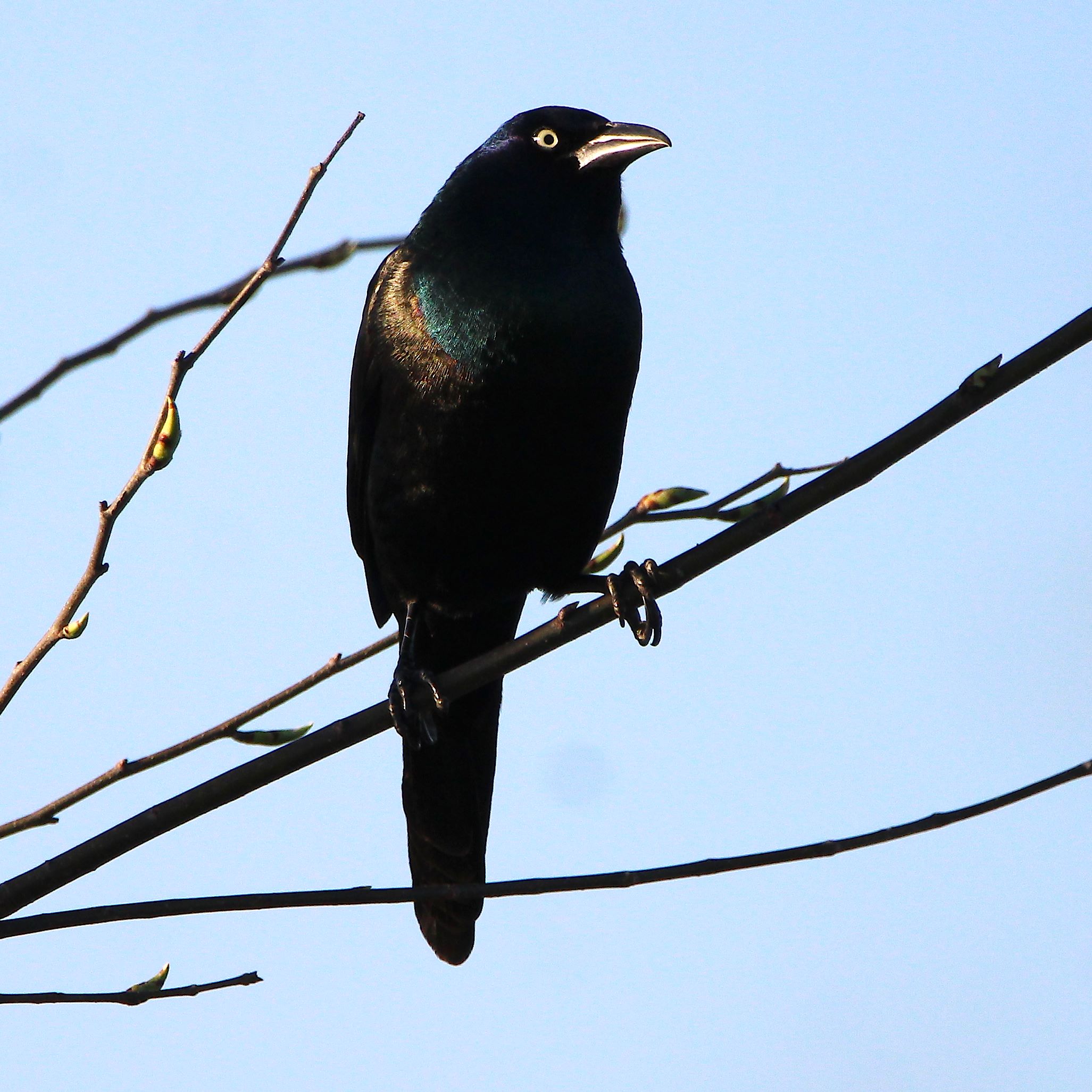
Common Grackle
I love me a grackle. Many people don’t have much of a fondness for this species. But, I know them to be intelligent and also very beautiful, especially when they are captured in the right light and all the iridescence of their feathers shine. The sun was too low in the sky and my position relative to the bird’s was wrong for me to capture that brilliance.
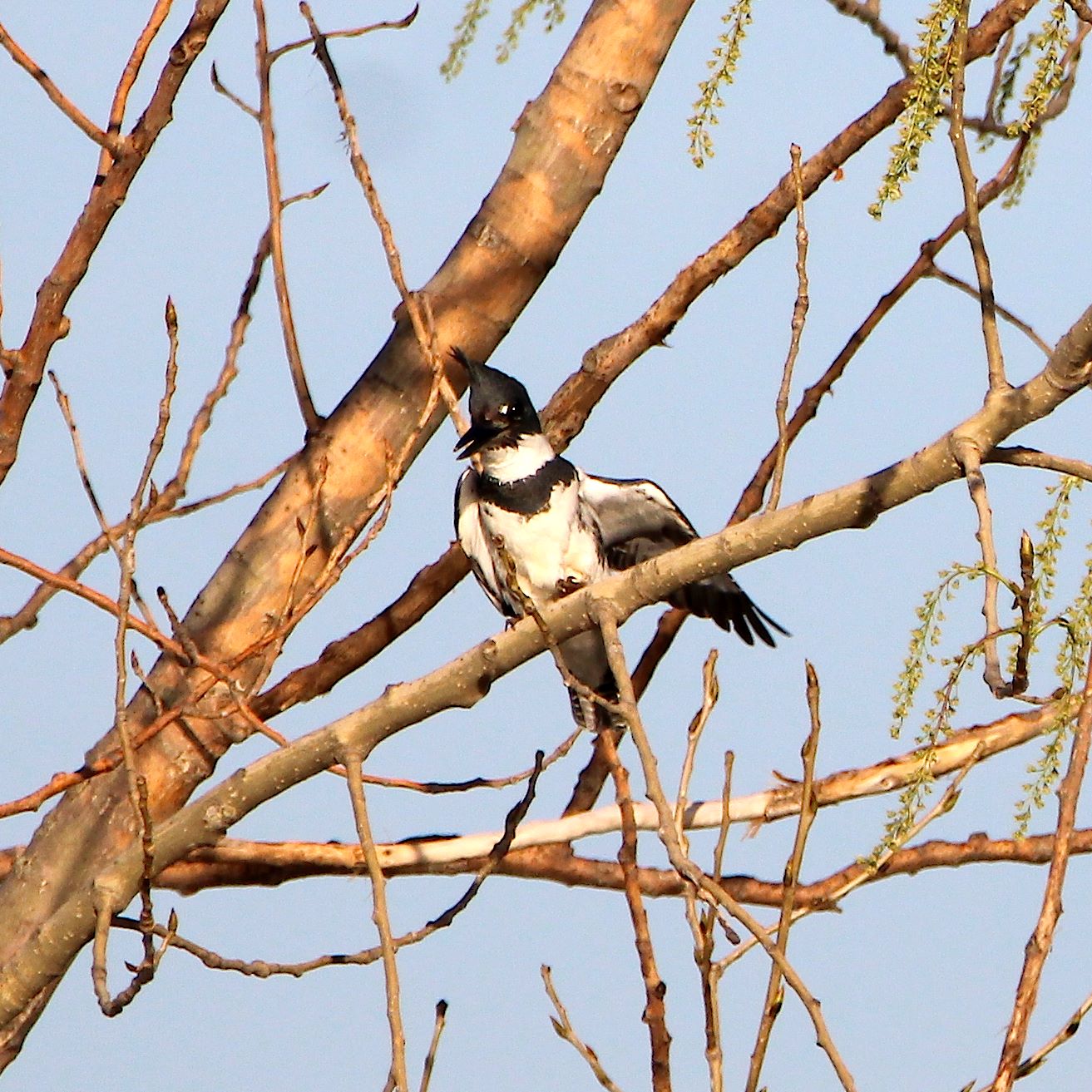
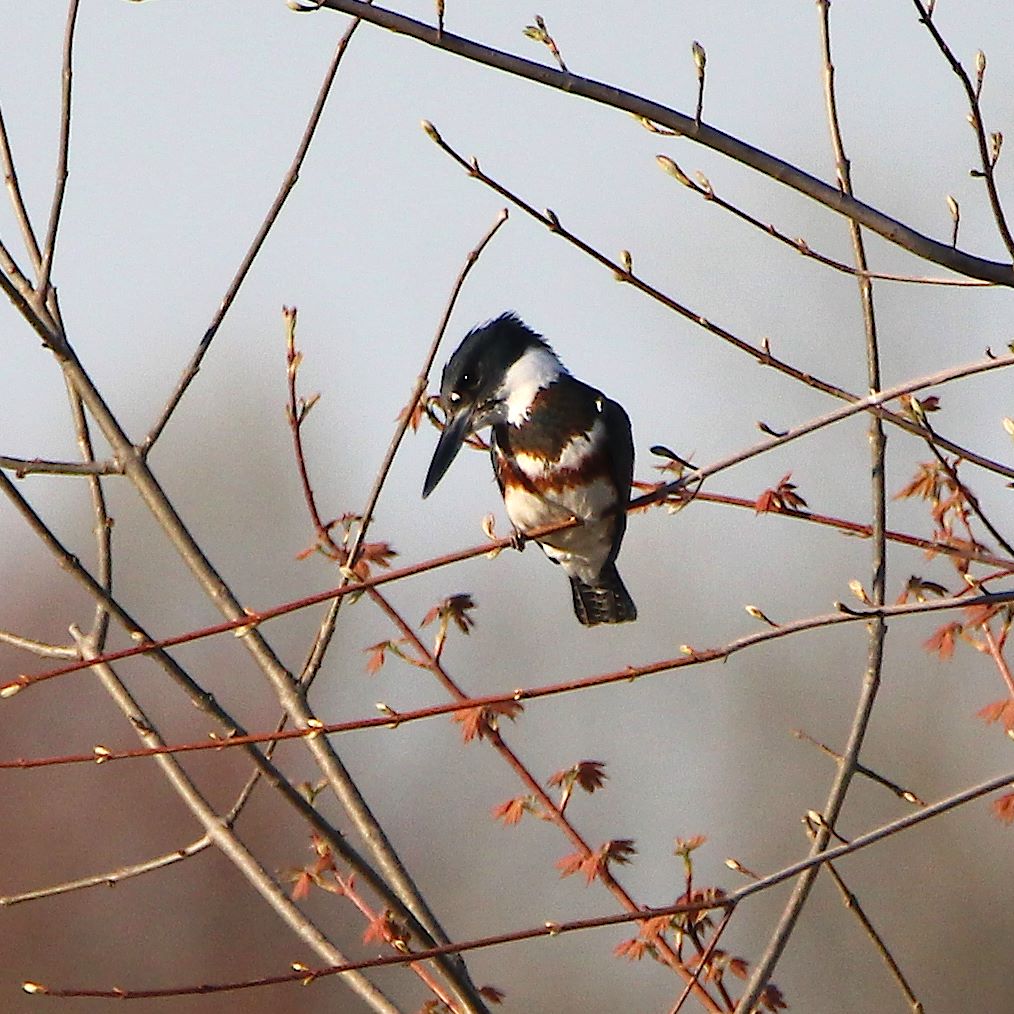
Belted Kingfisher
Here’s a species where the sexes have unique markings but also the female is the one that sports the extra color. She (second photo) wears the copper belt in the family. This species has a very distinctive “motor” sound which they vocalize when they arrive at our pond to hunt. Then, I just need to scan the trees to locate the bird, where it spends time looking for a fish before taking flight, and then plunging into the water to catch it.
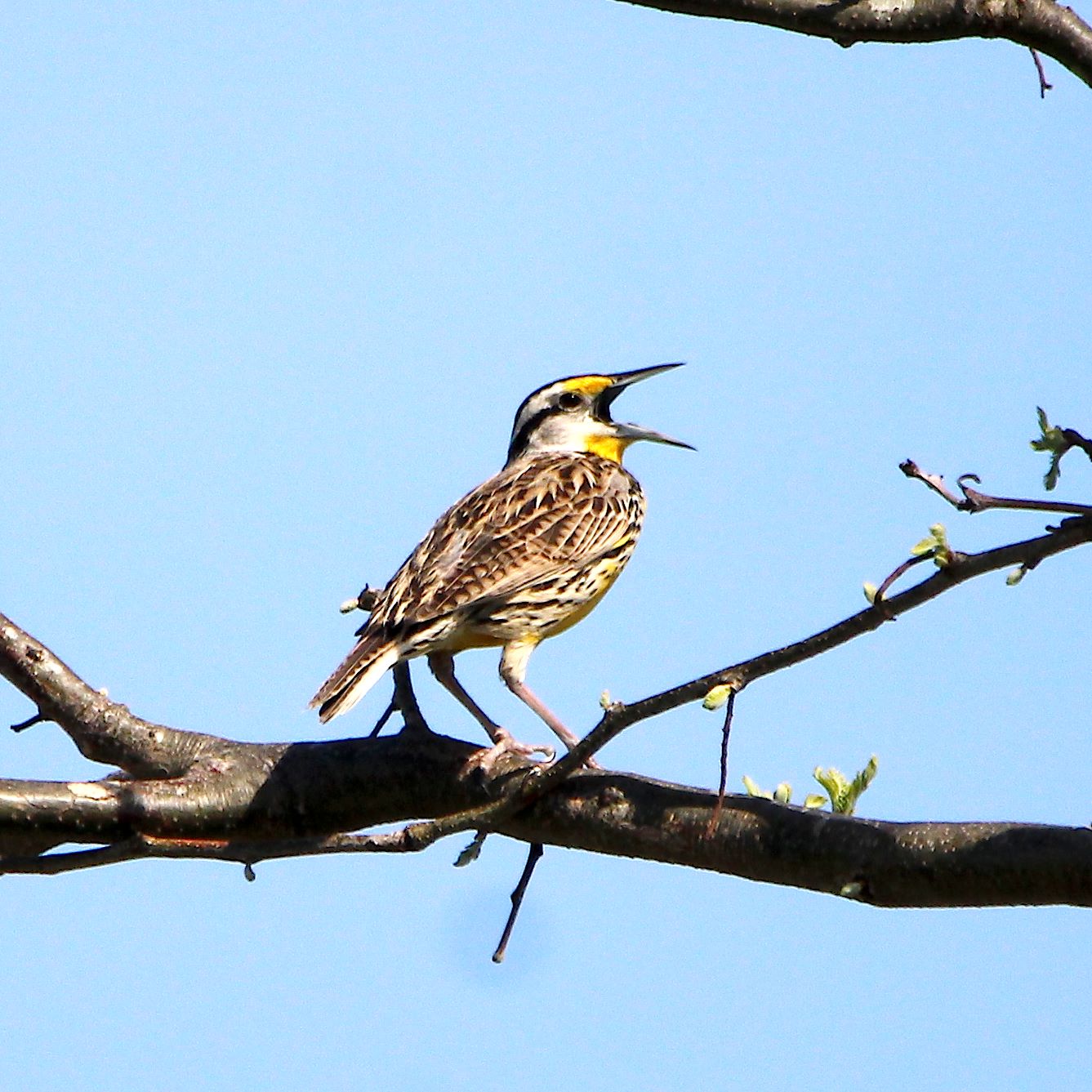
Eastern Meadowlark
Belting out its song over the prairie, this brilliantly marked bird nests on the ground. But, at this time of year soars to the tops of trees and fence posts to woo it’s mate.
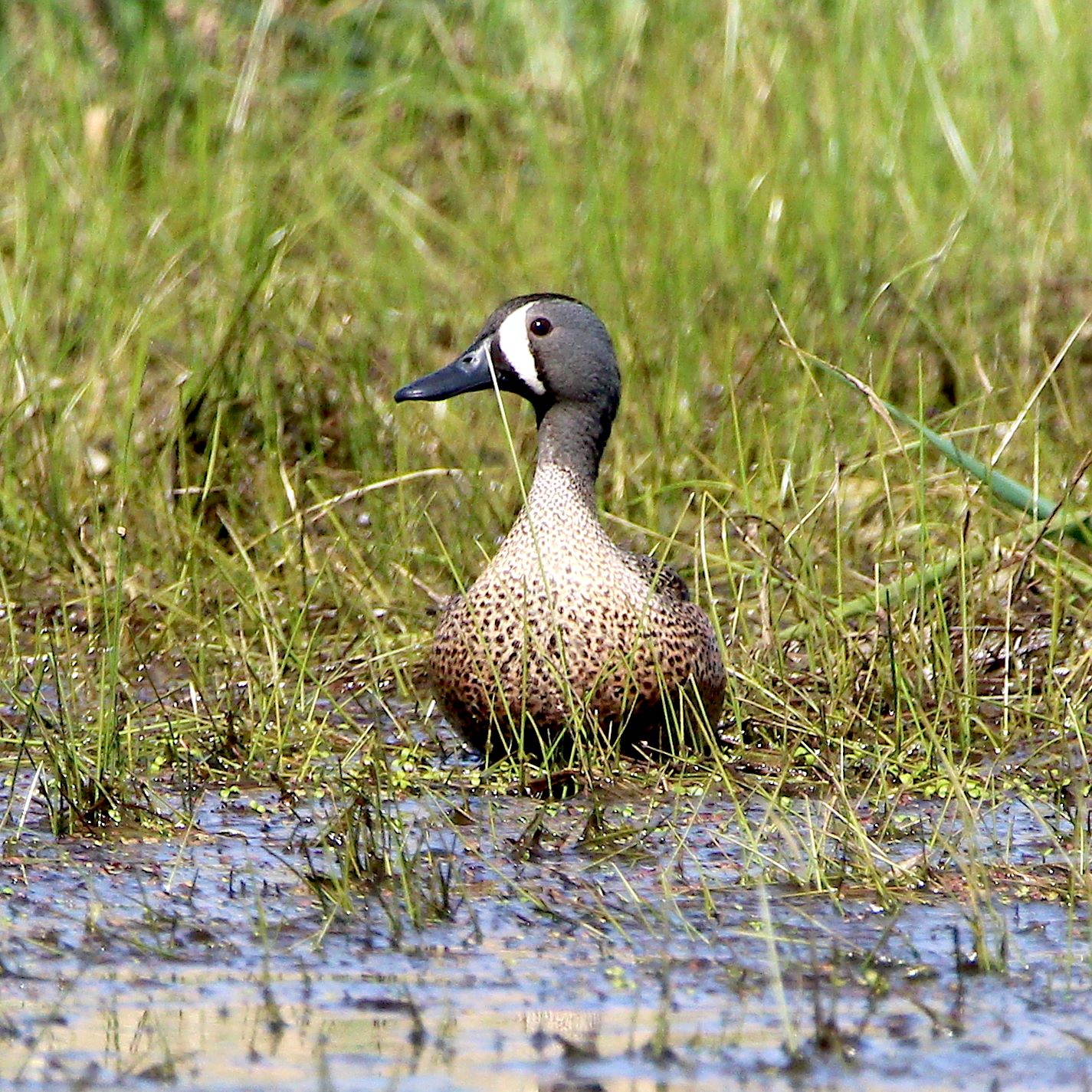
Blue-winged Teal
In the Spring, and sometimes in the Summer months, I see these lovely ducks spending time in our pond.
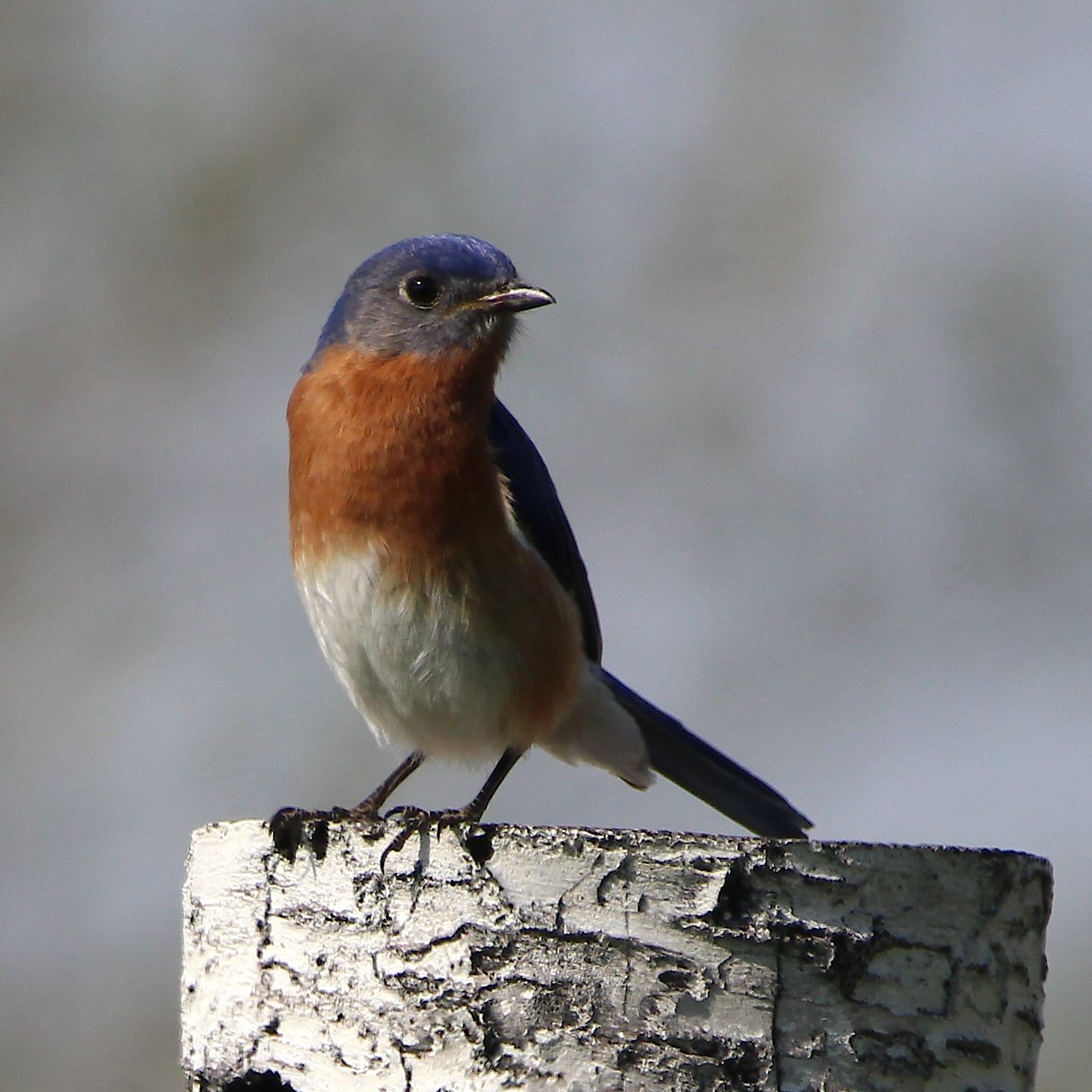
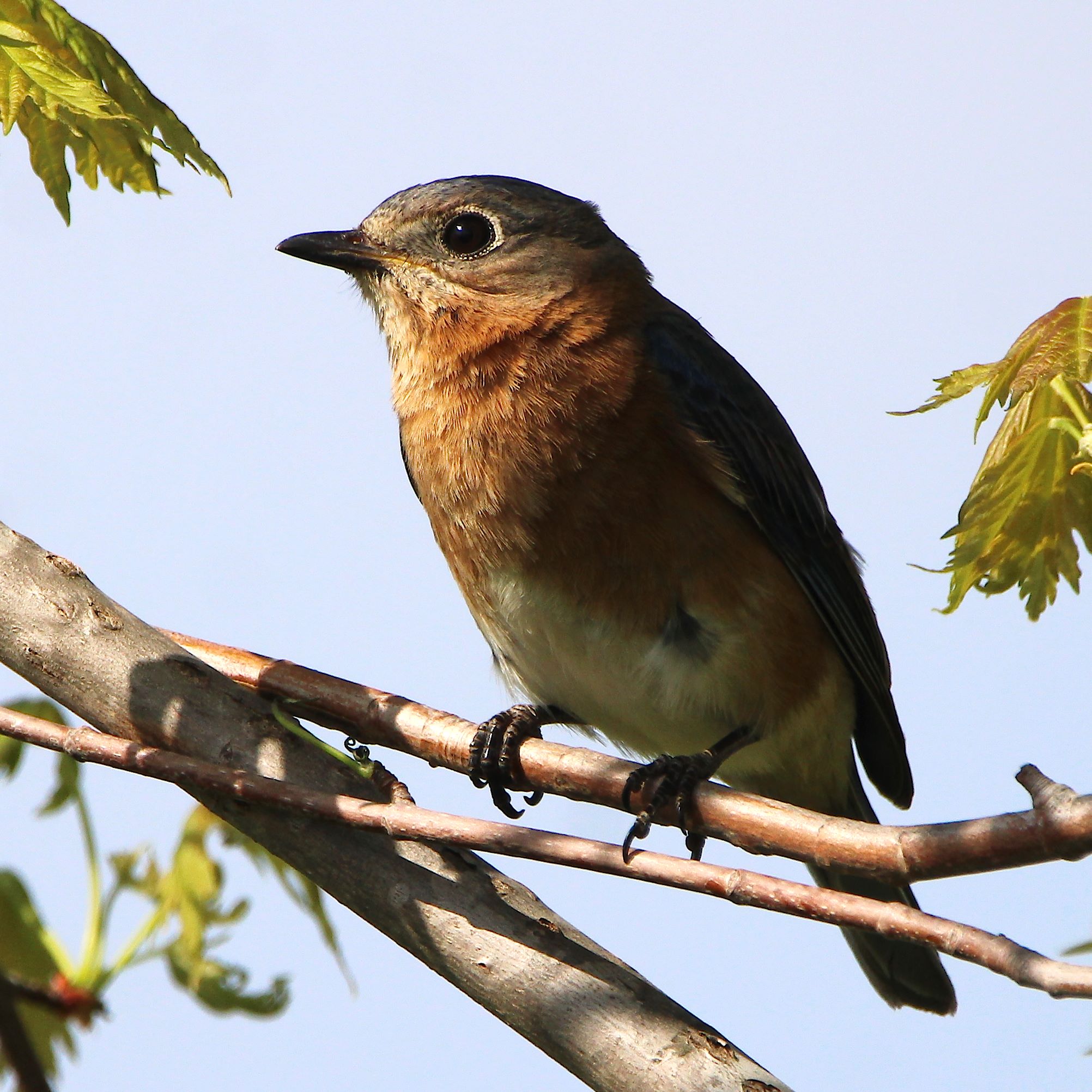
Eastern Bluebird
One of my favorite birds – I suppose partially because observing them is quite easy. They nest in boxes we offer and become accustomed to human activity. Becoming privy to their intimate relationship as they prepare to and then raise their young is a very fortunate return on the investment of offering them housing. Top photo is male. Second is the female.
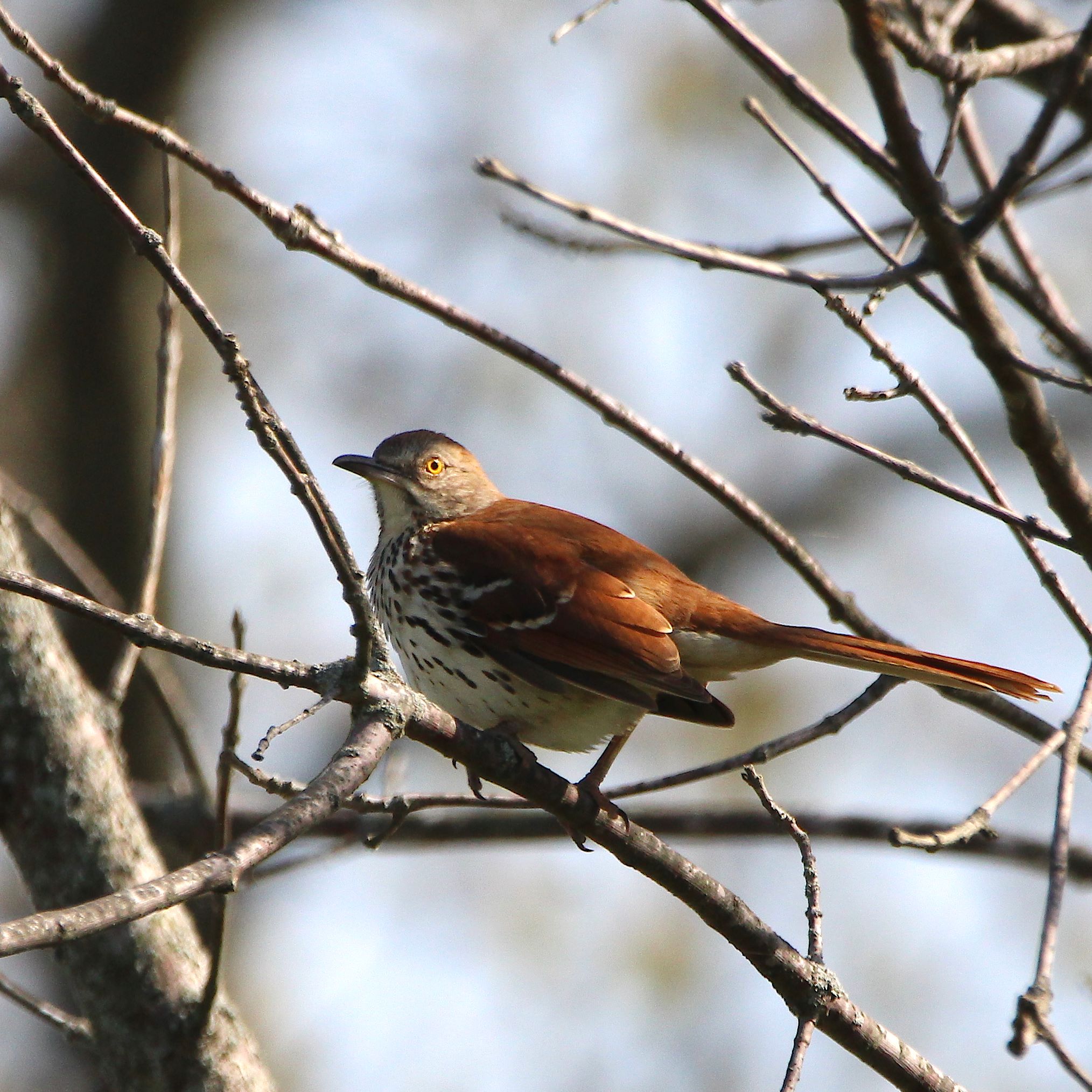
Brown Thrasher
It’s very obvious when this bird shows up here after spending the winter down south…but not too far south, as they can be seen in the very southern tip of Illinois during winter months. The complicated and curious vocalizations that Brown Thrashers sing announces their arrival. It almost rivals the Northern Mockingbird in range of sounds, and this species is also known to mimic other birds. Typically, they are not easy to spot as they nest in dense thicket or evergreen trees. But, at this time of year the males find a high spot from which to sing.
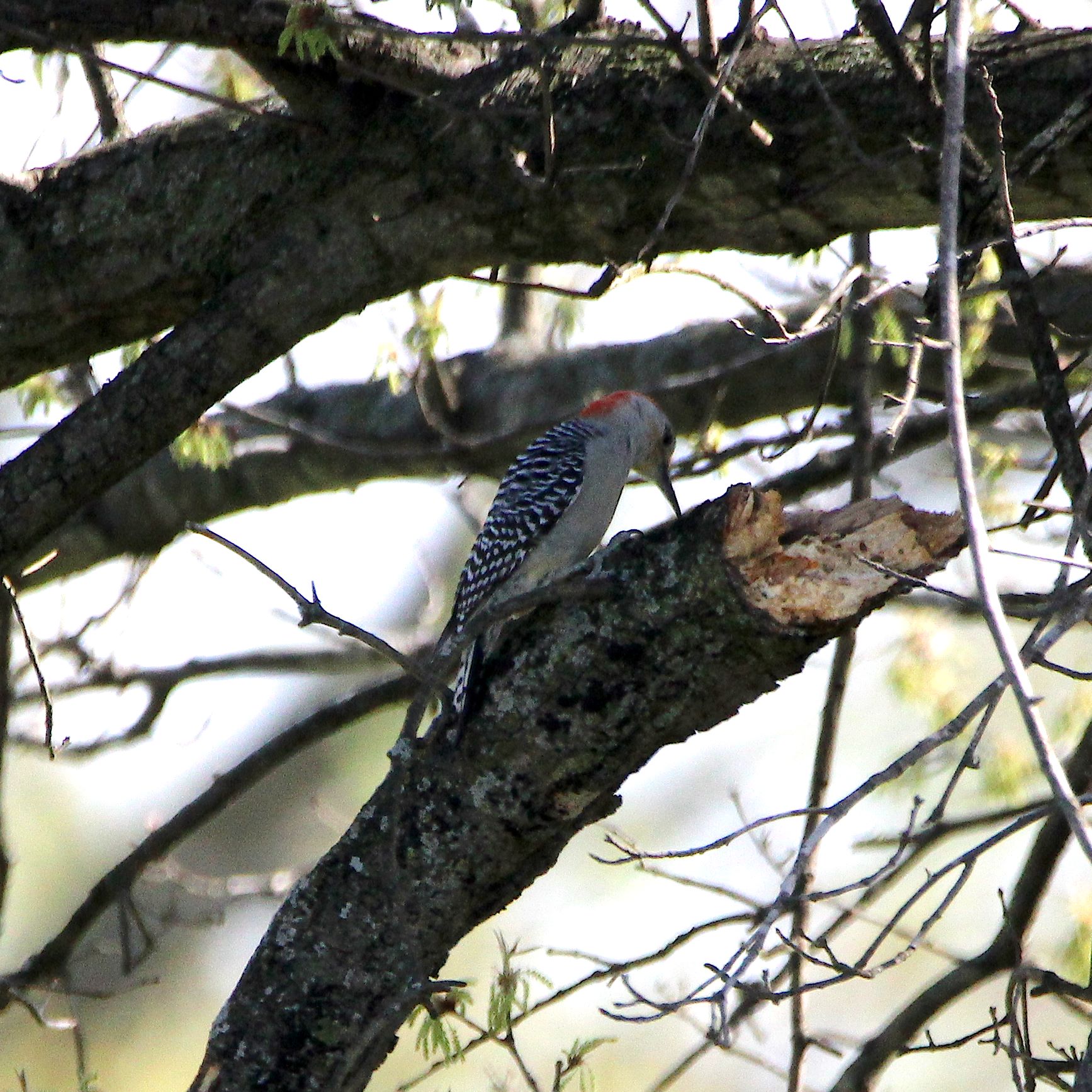
Red-bellied Woodpecker
So, this isn’t the best quality image of this lovely species. But, that’s not the intention of this post. The variety of birds I’ve been able to film of late makes it a worthy venture to include this Red-bellied Woodpecker. To be completely transparent; I didn’t know what I was filming when I noticed movement in the complicated branches of the tree that was a good distance from where I was located. I thought it might be a Downy woodpecker, but I should have guess it was this species as I had been hearing the calls in the area before I aimed my lens.
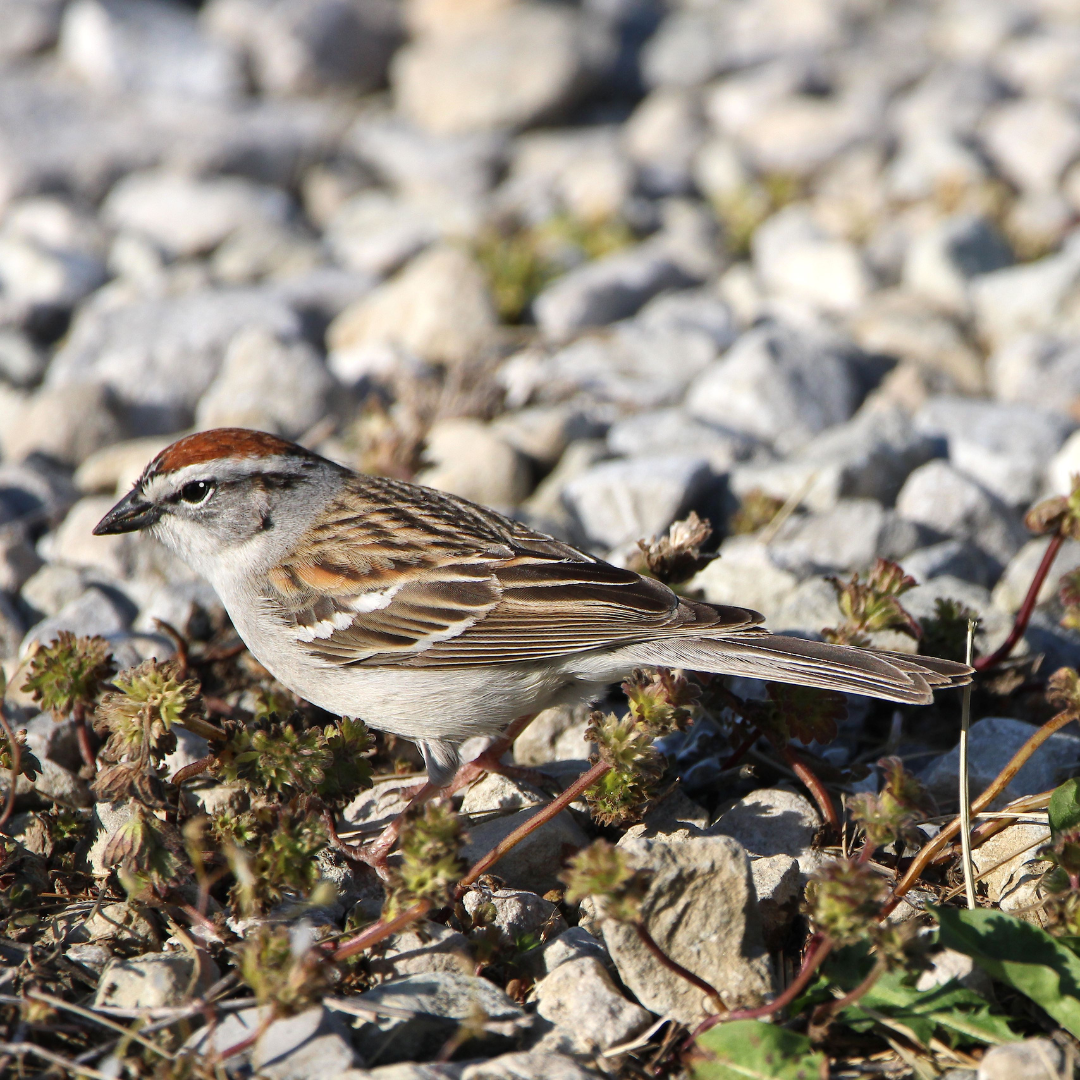
Chipping Sparrow
It’s easier to hear this bird than spot it visually. They sound sounds like a very fast frequency chipping sound – hence the name. They have built nests in our rose bushes, and hopefully they will do so again this year.
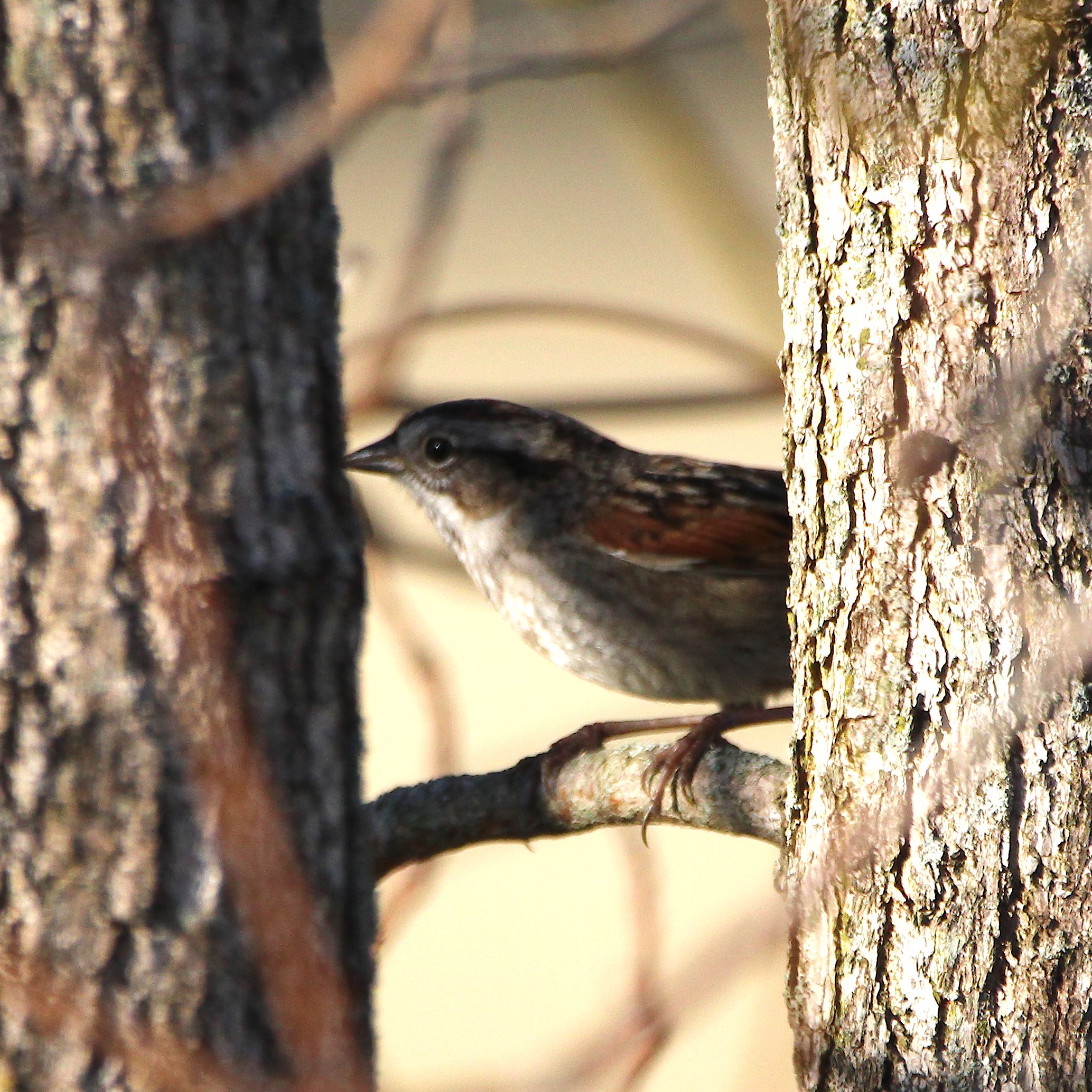
Swamp Sparrow
This species is supposed to travel north for the summer. But, there’s a small zone in northern Illinois and southern Wisconsin where they reside year round. I think that I’ve seen them here during the summer, but I haven’t taken the time to go back to my past photos to confirm that. So, this year I’m going to be on the look out for this cute species in the breeding season. Again, not a great photo, but this species is tough to catch on film for me. They like to spend time, as their name implies, in the marshy bottoms around the pond which is dark and obscured by lots of plants.
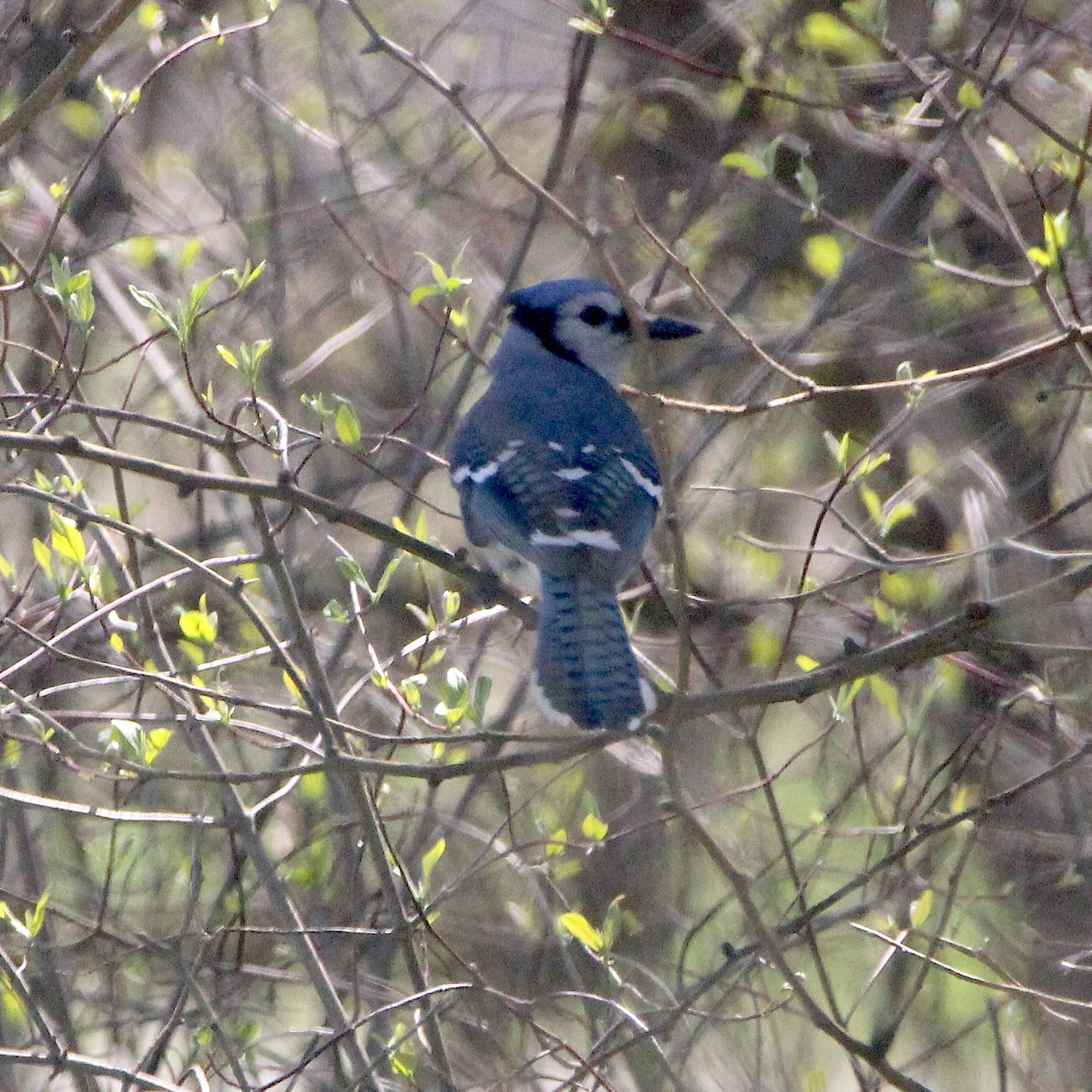
Blue Jay
This is a noisy species that I also find challenging to film, even though I hear them quite frequently. This image was shot a a long distance in bad light of “movement” and I didn’t actually know what I captured until I downloaded the SD card from my camera.
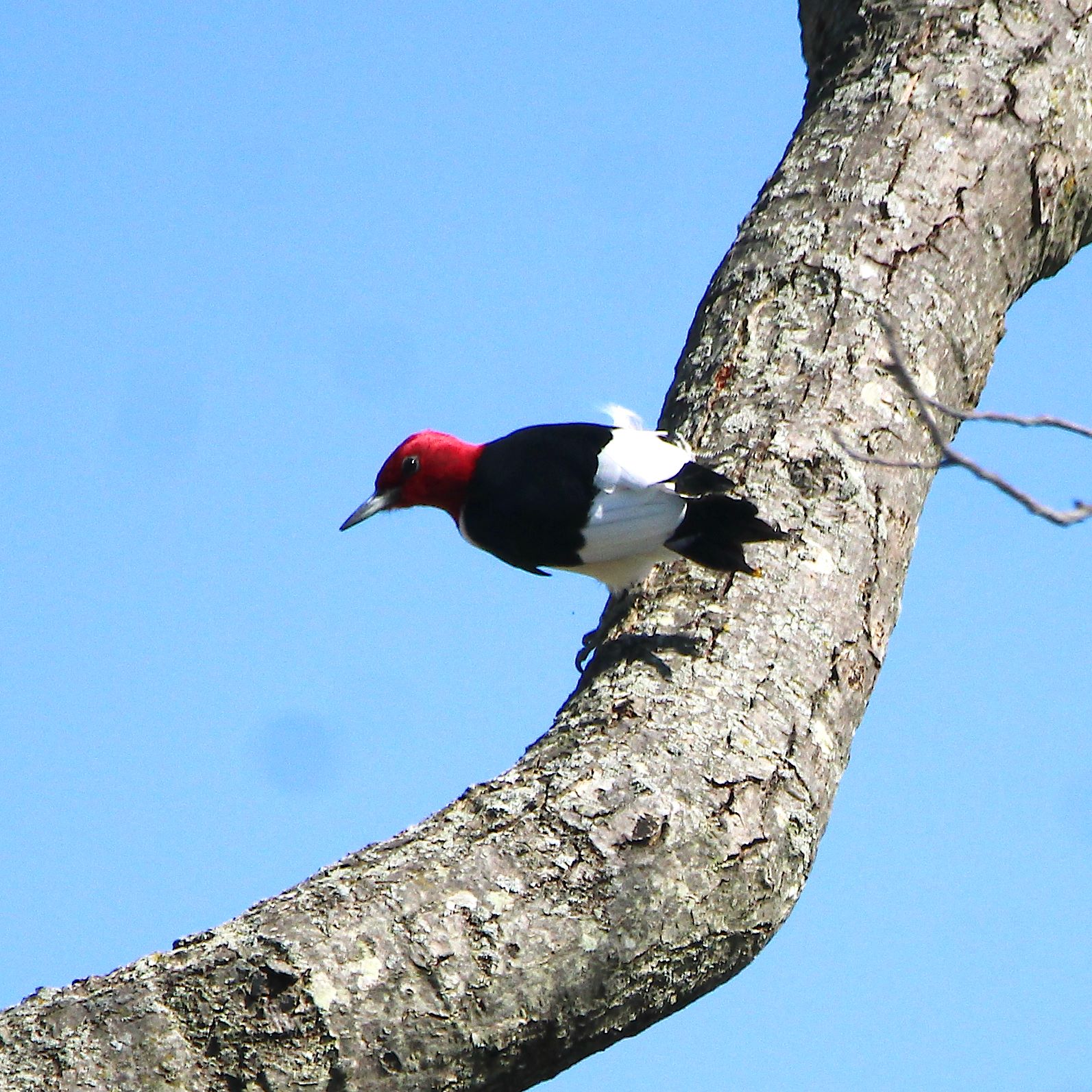
Red-headed Woodpecker
Per AllAboutBirds.org “This magnificent species has declined severely in the past half-century because of habitat loss and changes to its food supply.” Fortunately, we are able and choose to leave dead or partially dead trees standing on our land. In city environments or where there’s a Home Owners Authority in control of what a residents are permitted to have on their property, that isn’t always the case. A tree with dead limbs is considered a nuisance, and it could be if it fell upon a home. So, it is typically cut down and may be replaced by a much younger tree that couldn’t support the needs of a woodpecker. I love these birds. I filmed the bird below the same day (and time) I filmed the first bird of this post, the Northern Mockingbird. I knew to look up the tree because of the woodpecker’s distinctive call. Had I not heard him, even with his lovely, striking colors, I probably would have missed him.