Tammie Rogers
Inspired by Dogs & Nature
“Do You Feed the Birds?”
Asking other wild bird lovers if they feed the birds that visit their property is probably a fairly common question. Folks want to learn about what foods attract which species. They discuss the costs or the best places to purchase a specific type of seed. They compare notes in order to enhance their relationship with Nature.
I don’t feed the wild birds in the summer. However, it makes me feel good to offer sustenance during the very cold spells in winter. The only time I’ve seen Purple Finches or Fox Sparrows has been when they’ve come up to my patio during a Polar Vortex weather event. Otherwise, I suppose they make a good living without the need for added nutrition. That’s a good thing, I think.
Still, when someone asks me if I feed the wild birds, I will always respond with a strong, “Yes!”
“What sort of seeds do you provide?”
“Hmm, I’m not exactly sure,” I reply.
“Well, then, how much do you spend on seed for the wild birds?”
“Hmm, do you mean in standard currency? I can’t exactly say.”
Oh, my. It’s time to explain. Sometimes a picture can speak a thousand words.
Despite the fact that the neighbors thought we had ruined the land when we planted pasture grasses in the fields that had been used to raise cash crops like corn and soybeans, before we purchased our farm nearly 25 years ago, grasses served a huge purpose for us. We used it to feed our sheep which we raised to support our hobby of livestock herding training, with our Border Collies.
About ten years ago, we sold the flock in response to a change in our profession. The sheep had been very proficient at keeping the pasture grasses well groomed. In order to reduce the chance for scrub brush to consume the open land, we hired a local man to cut hay in the big fields a couple of times a years. However, there were a few locations that he didn’t cut due to the existing fencing or the due to the lay of the land. What had once been fairly clean fence lines that were manicured by hungry sheep, evolved into little ecosystems of their own.
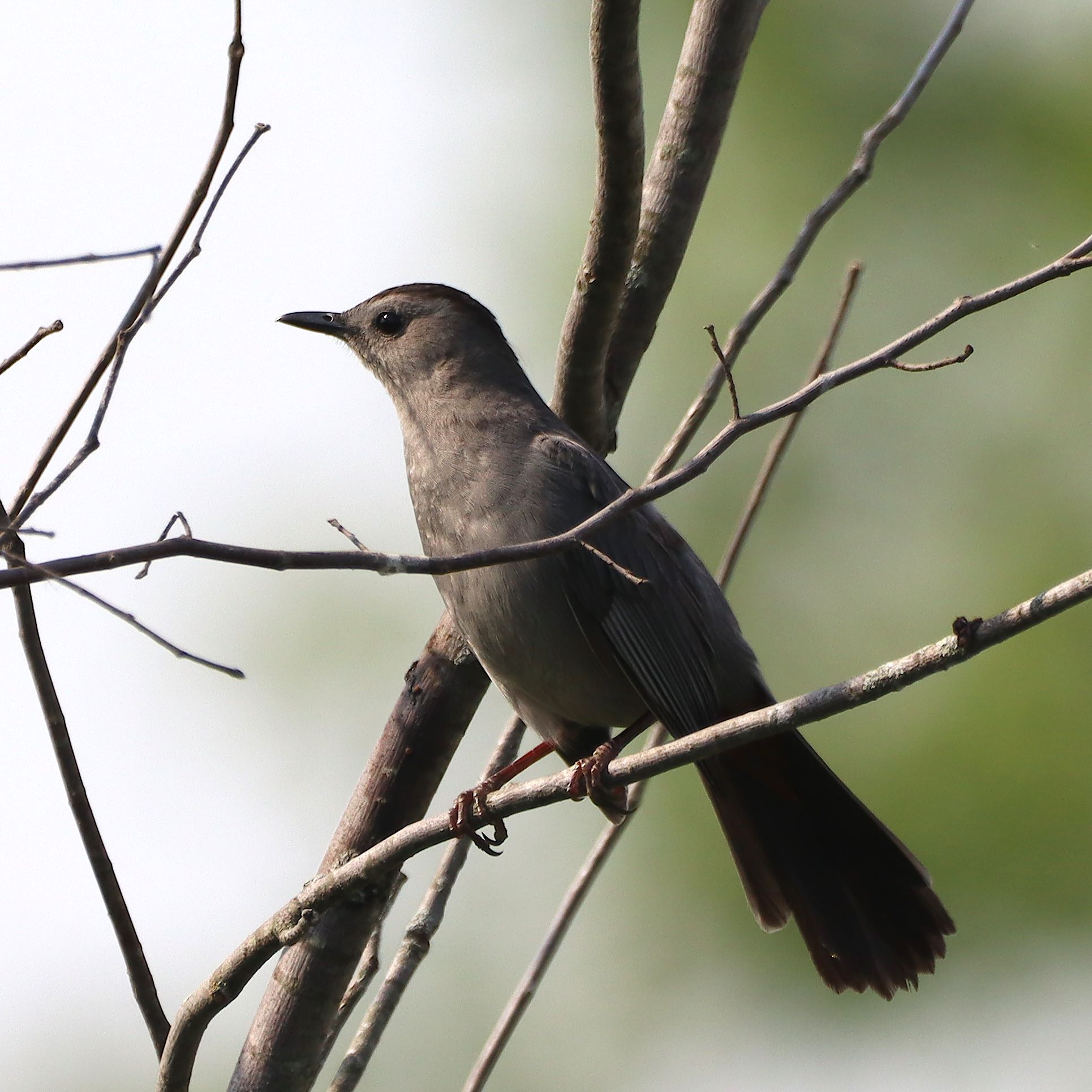
Gray Catbird
Bird, insect and even mammalian species took advantage of the scrubby brush. Plants, like wild raspberries, elderberry bushes and even trees like wild Mulberries, flourished; intensifying the developing thickets. The fruits of those plants permitted bird species like Gray Catbirds, Brown Thrashers, Eastern Bluebirds and Northern Mockingbirds to add numbers to their population. Without population control of grasses and wildflowers, including a few species of Milkweed, nectar loving insects had more resources to support their needs. Nearly every bird species, even those that are considered seed eaters, feed their chicks with high protein insects. Wildflowers supported more insects. More insects supported more birds. More birds even supported other birds, like small hawks.
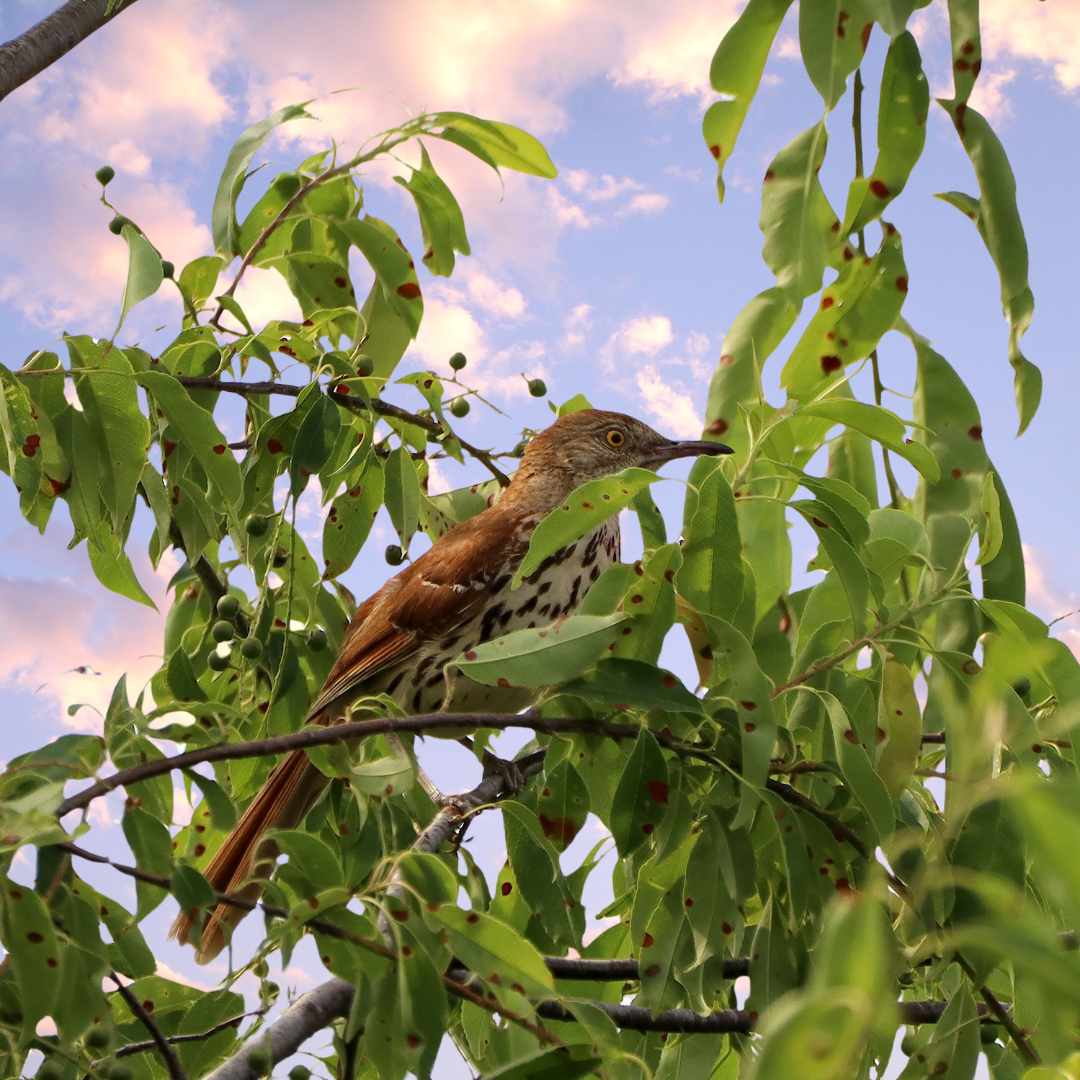
Brown Thrasher
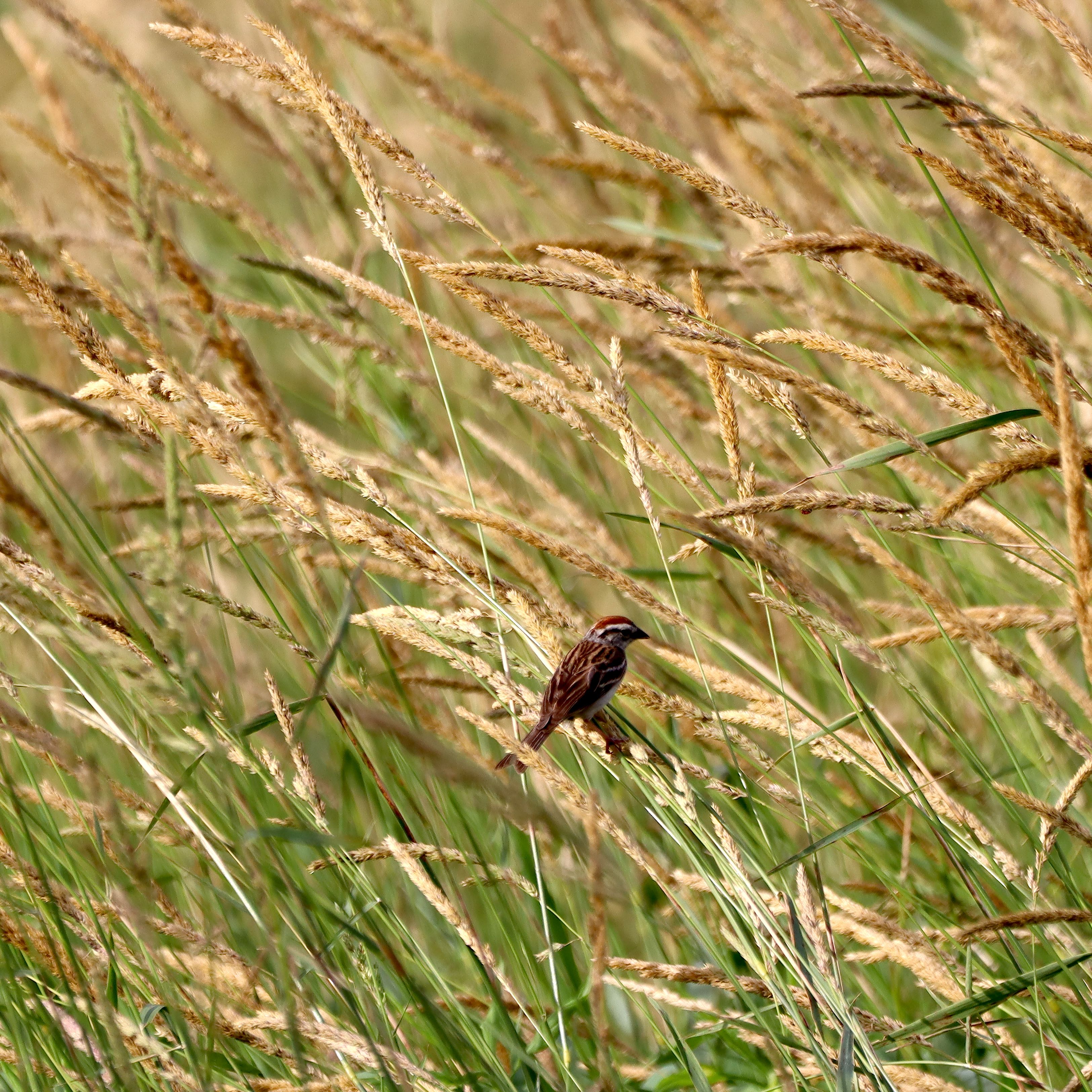
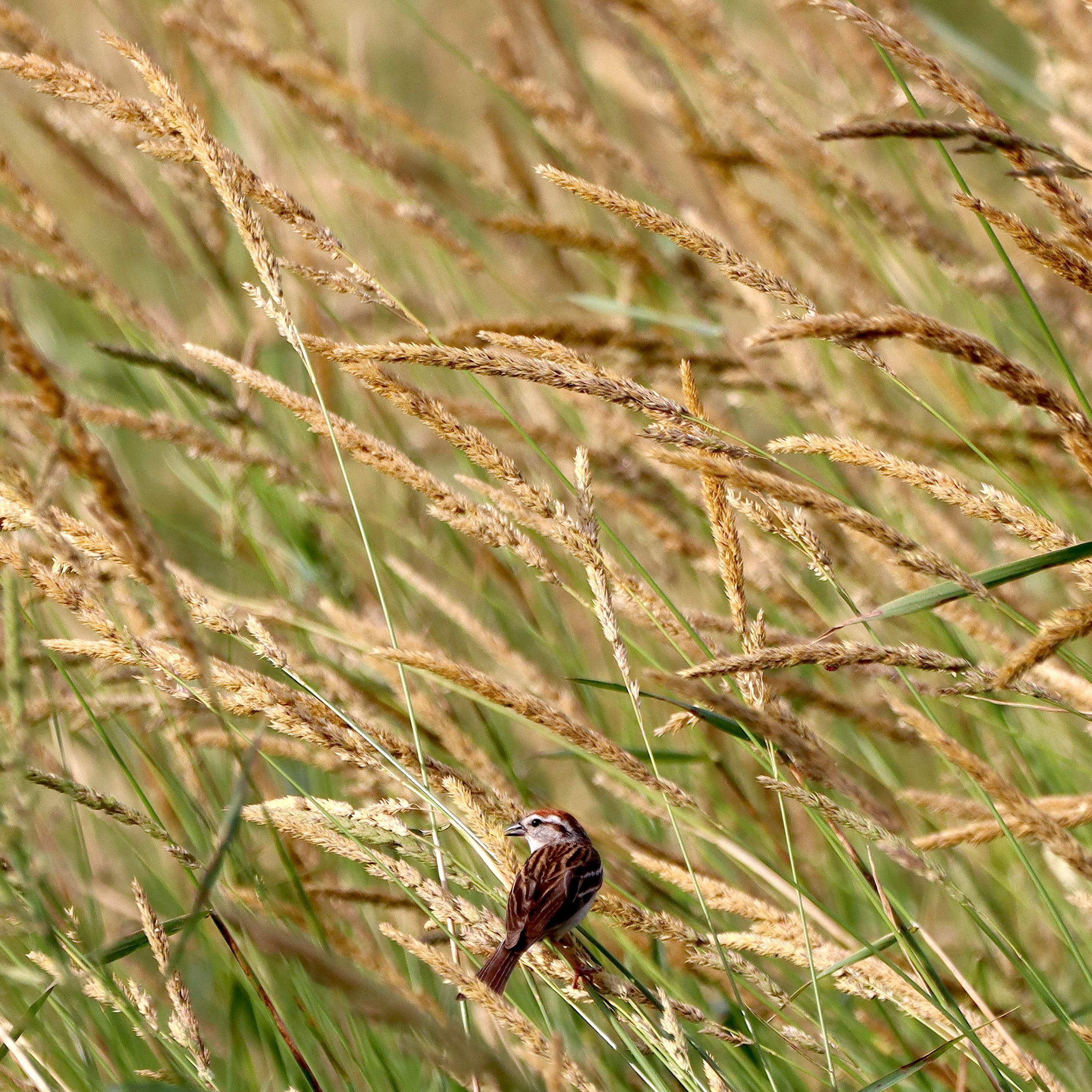
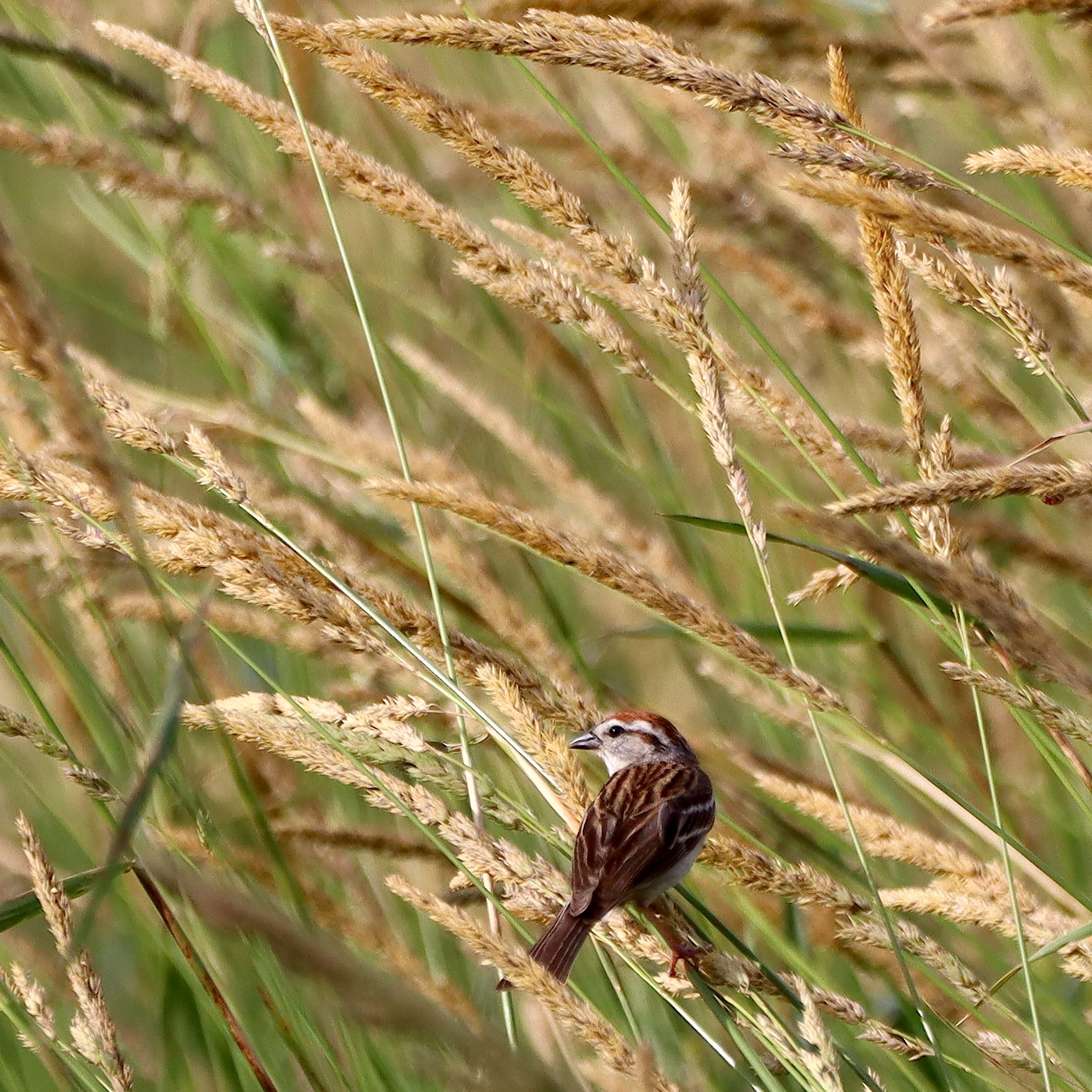
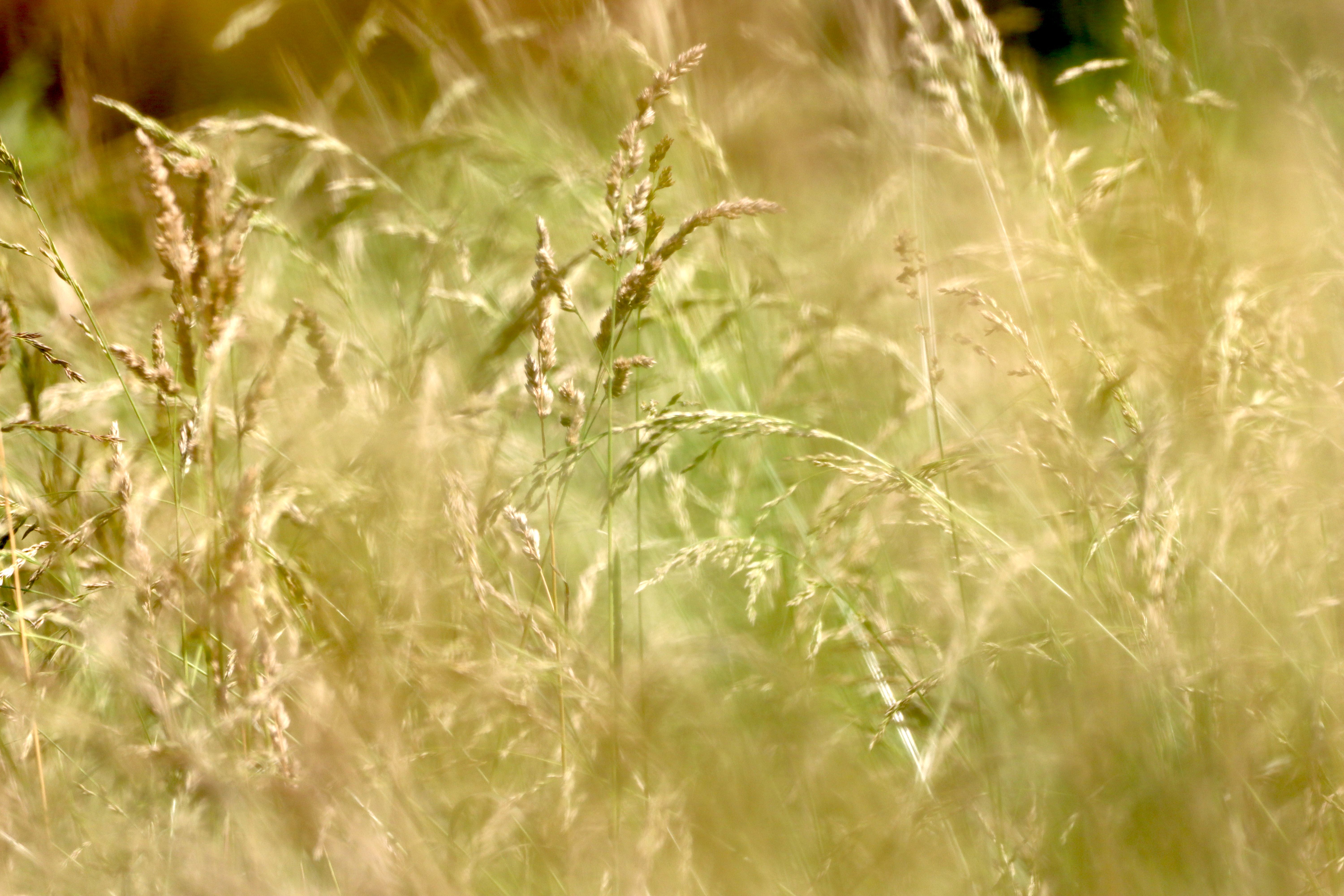
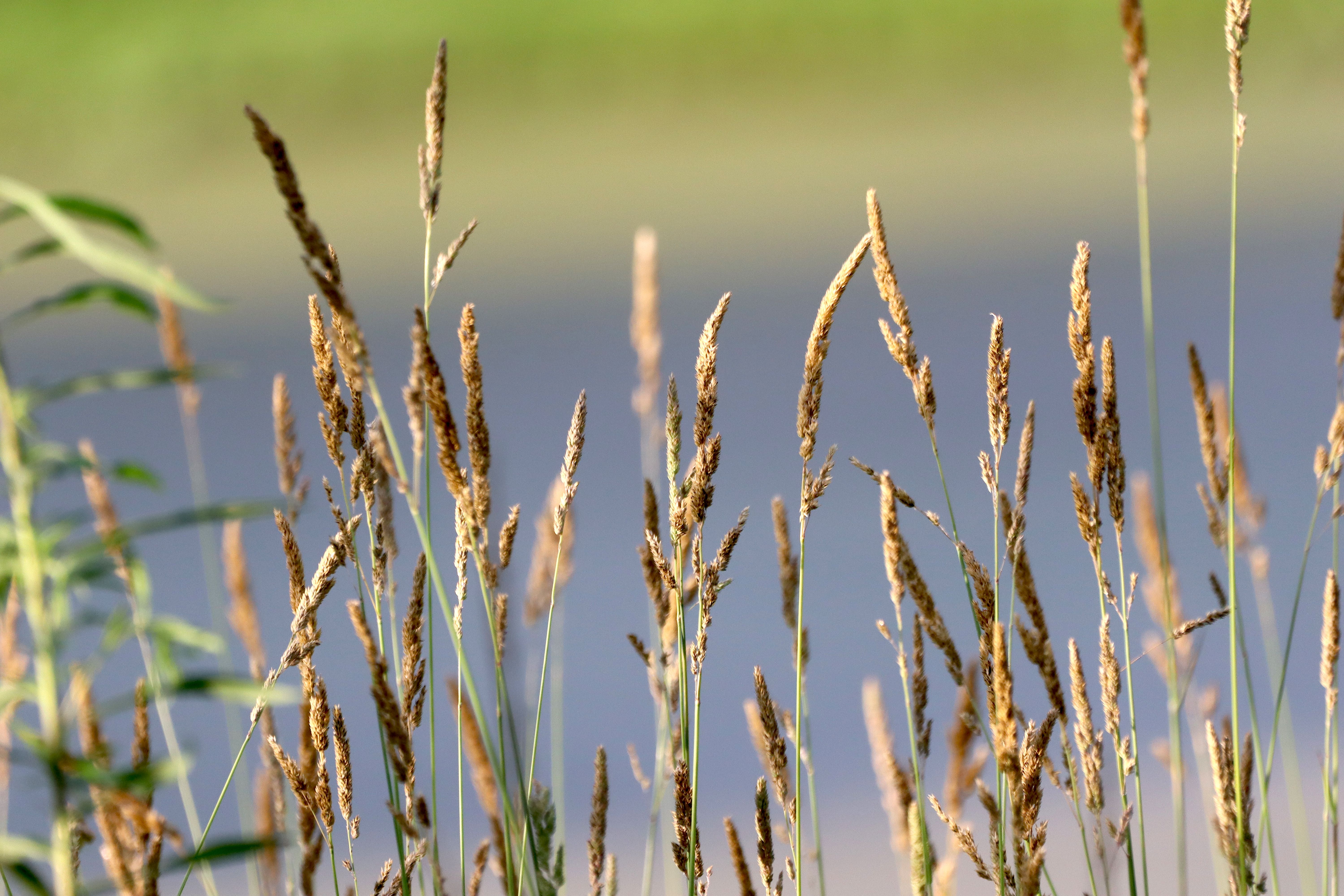
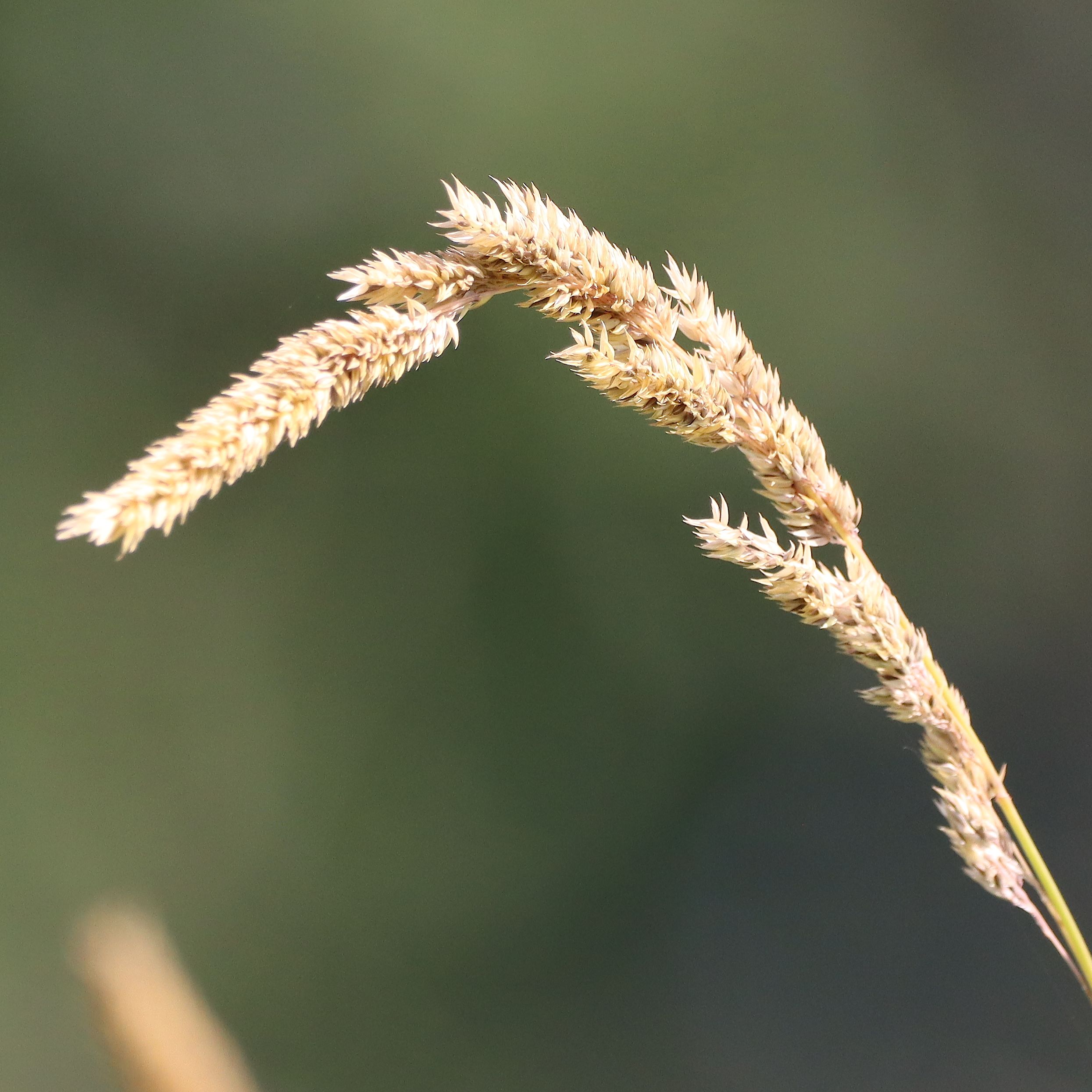
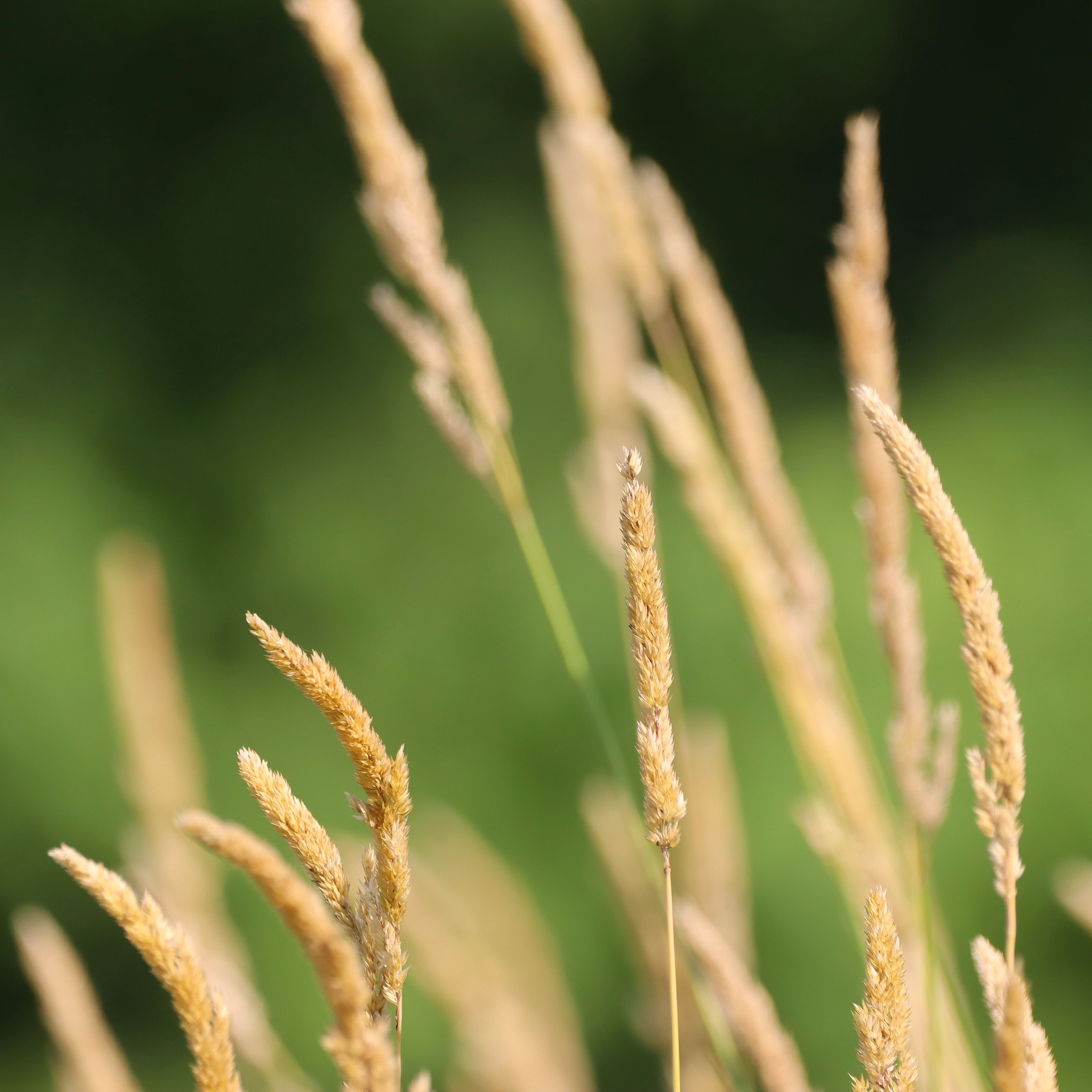
When someone asks me, “Do you feed the wild birds?” The answer is obvious. Yes, we feed the birds, and the bees, and the bunnies, too. At the root of this ecosystem is grass. Many species of birds go straight to that resource, like the Chipping Sparrow shown in the first photos of this post.
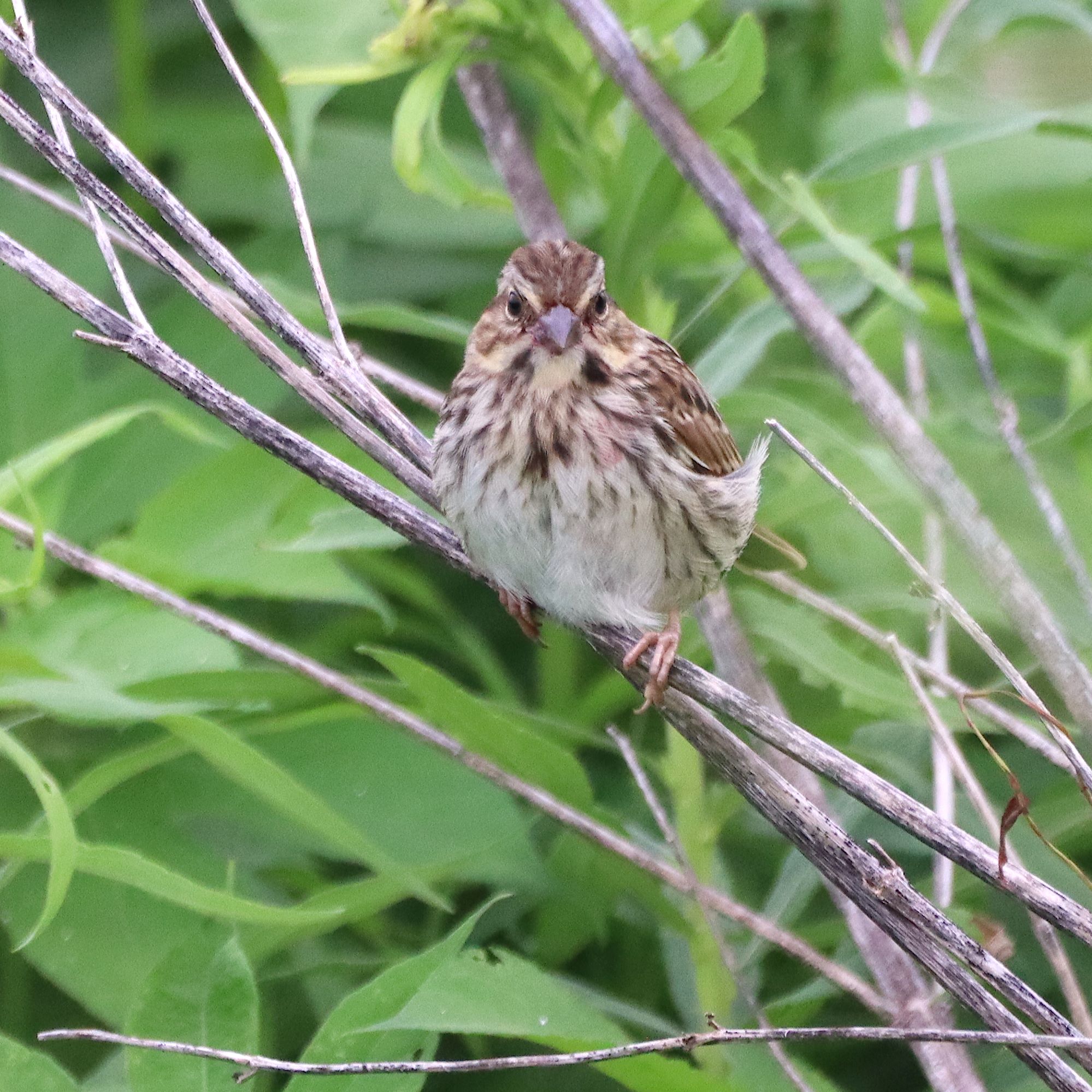
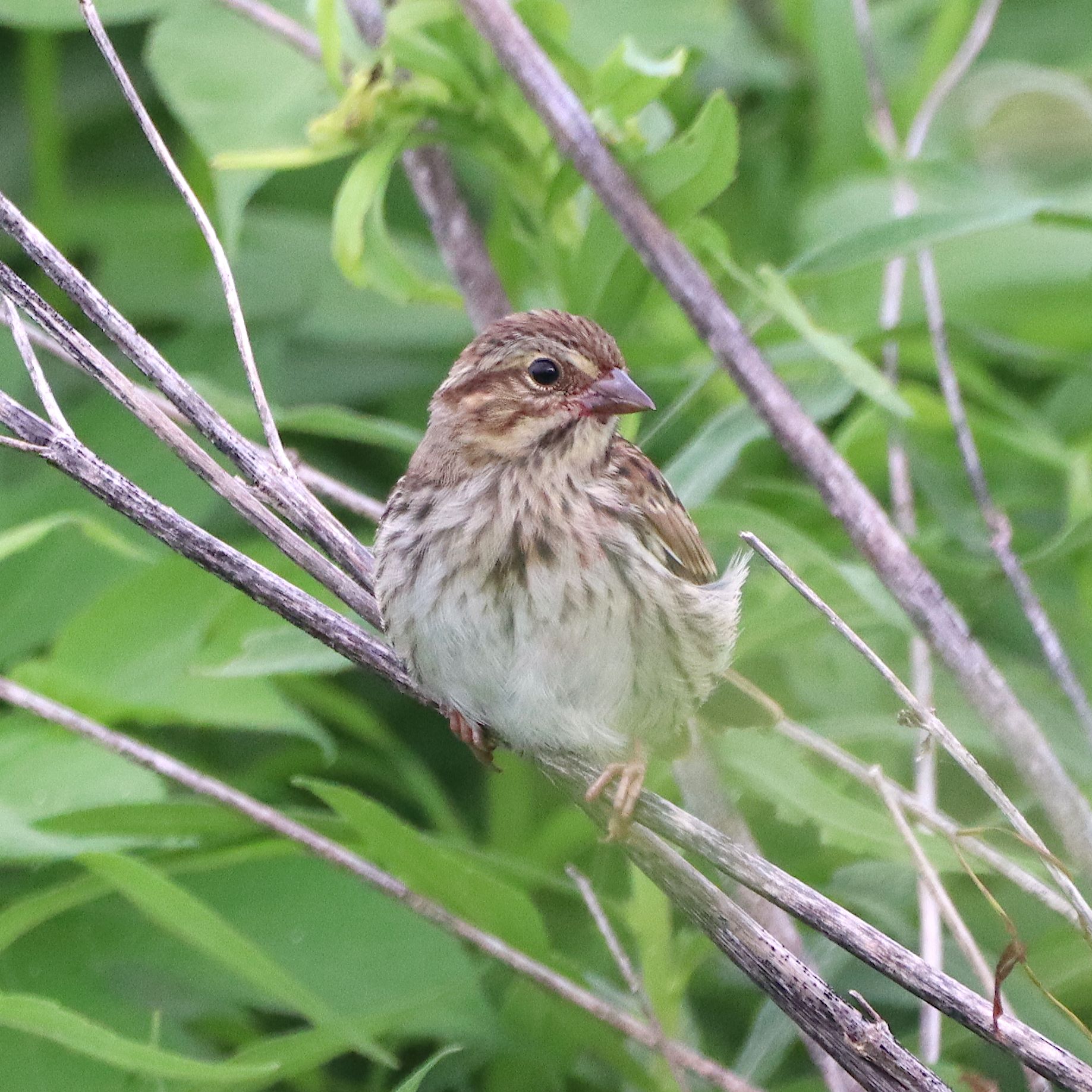
Two above: Savannah Sparrow
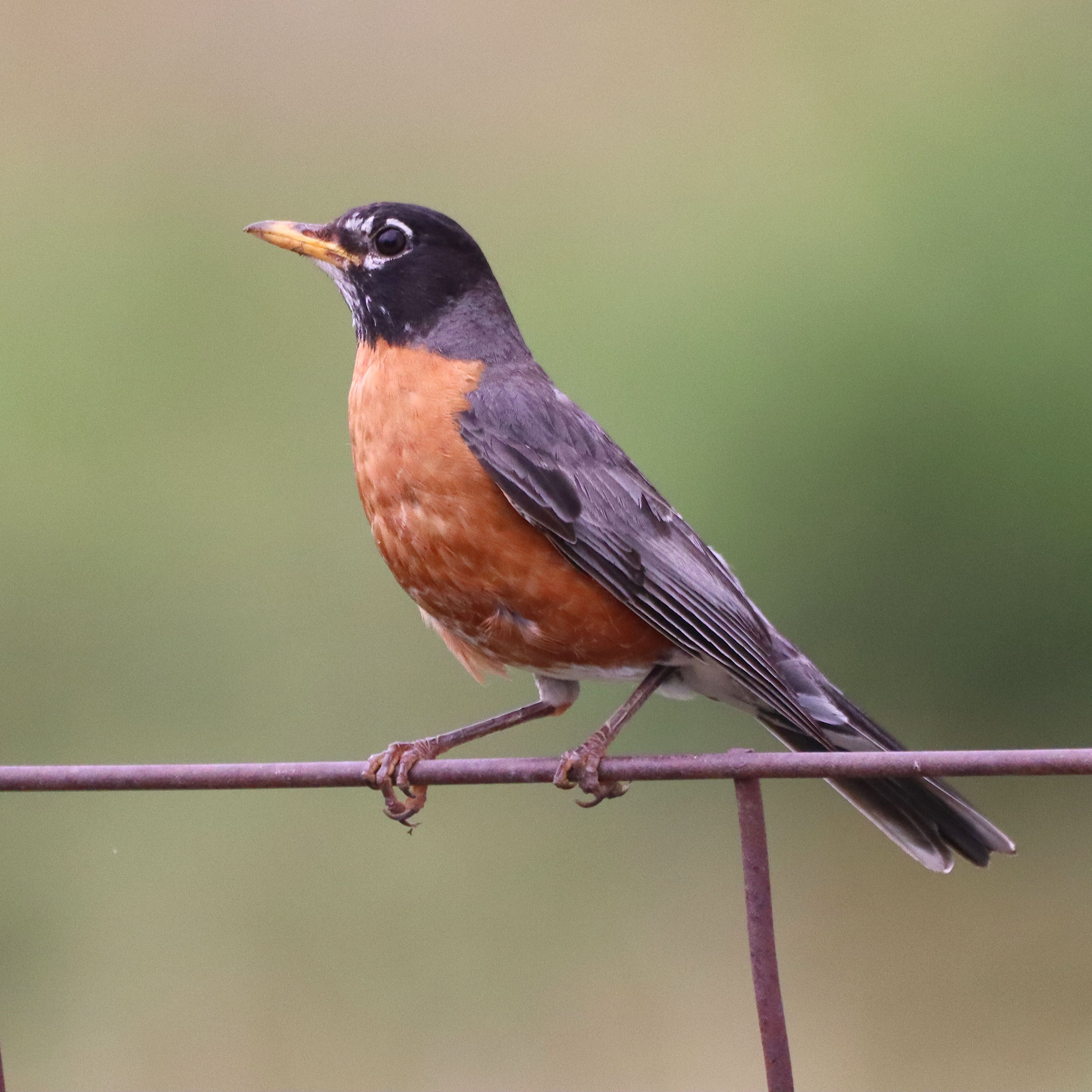
American Robin
When I got my degree in Biology back in 1982, I graduated having taken just one botany course. It wasn’t that I wasn’t interested in plants. It was that I was enamored with animals. At times, I wish that I had learned as much about the flora as the fauna. Then, I might be better at answering the questions about what sort of seed we feed the wild birds. While I haven’t taken the time to determine all the species of grass that grow on our beloved Farm-Gone-Wild, I can say that there are quite a few. At the University of Illinois Extension website, it’s published that, “…there are over 350 different species…” of grasses in Illinois.
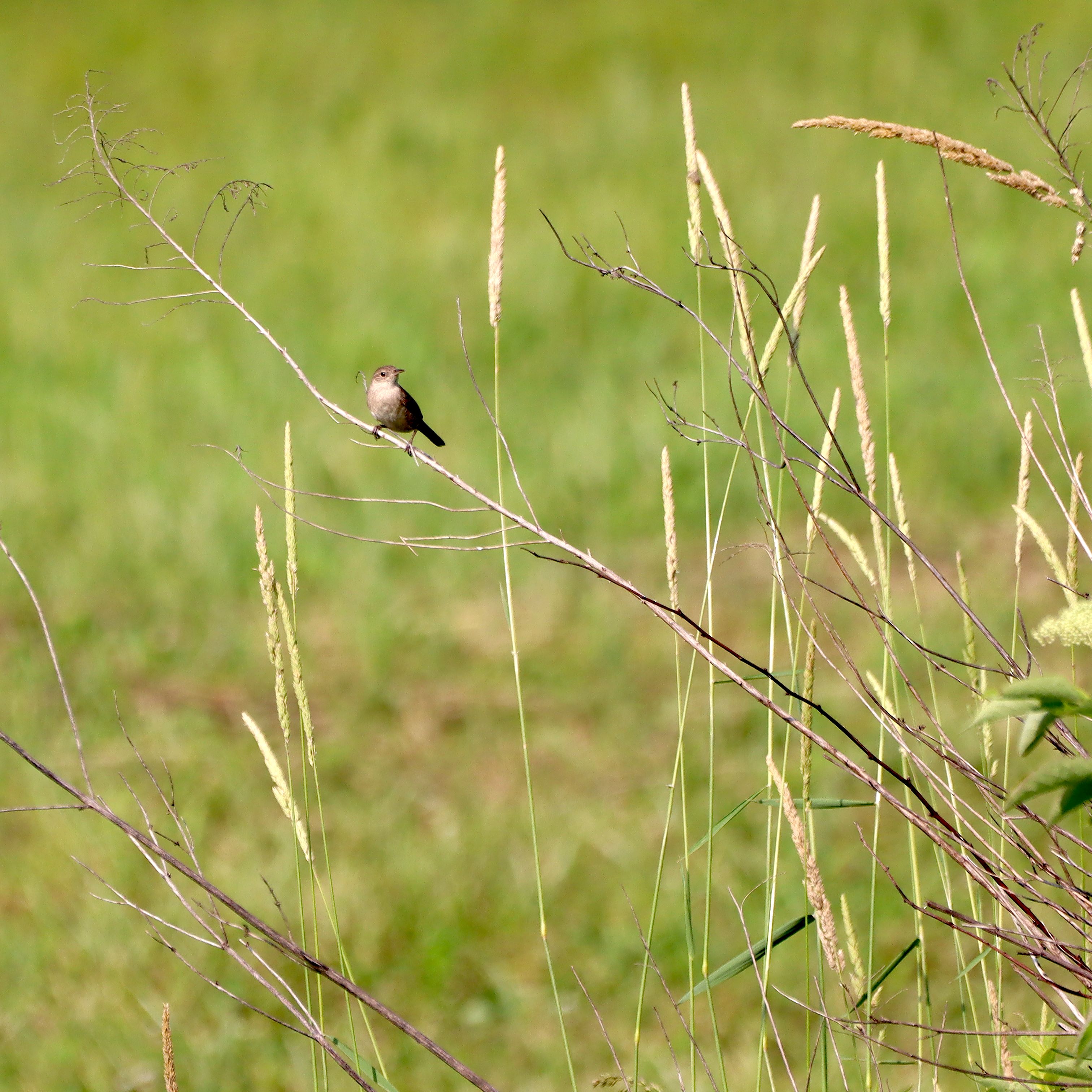
House Wren on a dry twig growing in a stand of new grasses.
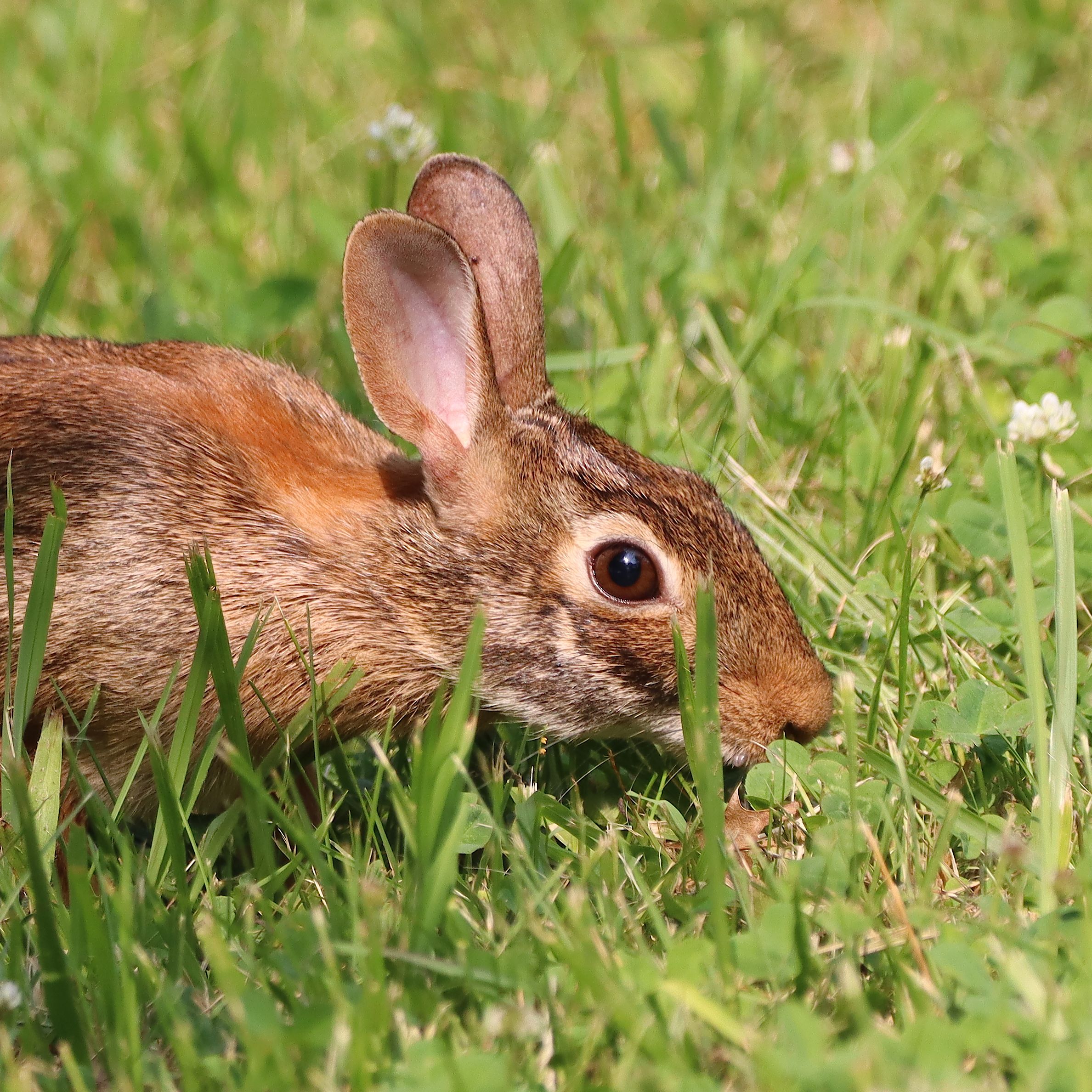
Cottontail rabbit eating fresh grass with white clover
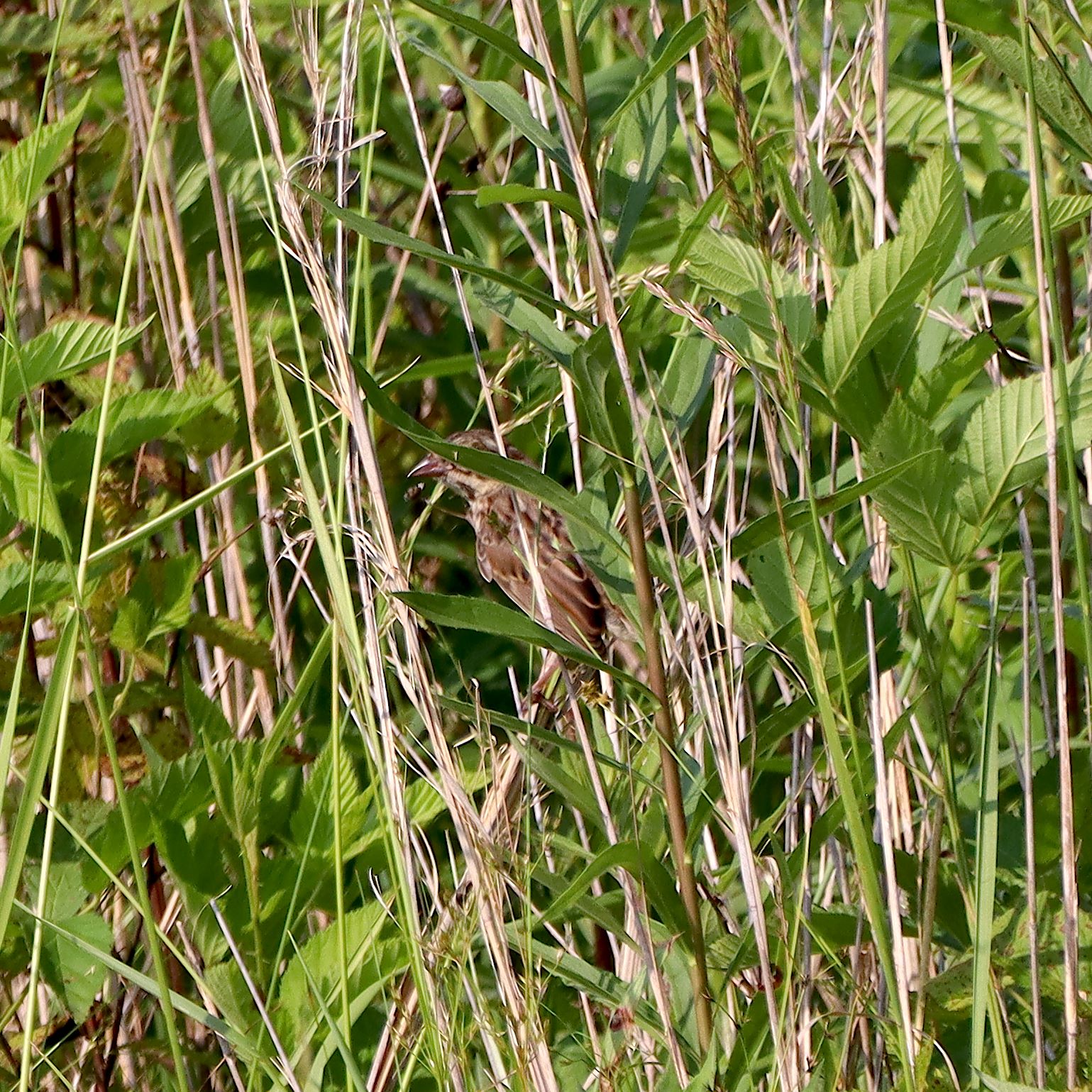
Song Sparrow hiding in the grasses from the previous year and this year, as well as what I’m pretty sure are wild raspberry leaves.
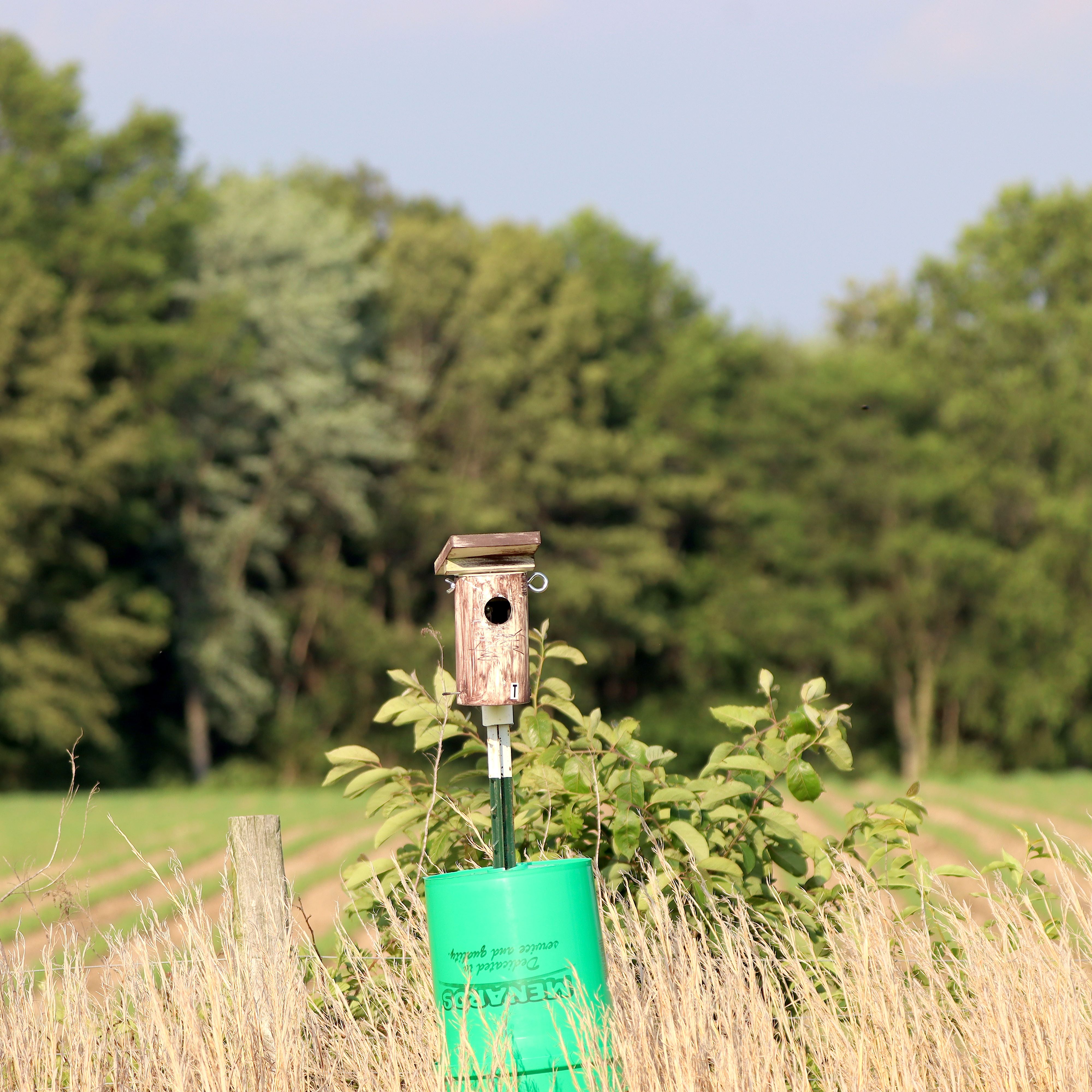
Birdhouse “T” which sits on our East property line (you can see crops in the neighbor’s field) Grasses grow in that fence line, and where a fence post has protected it from being mowed by the “Hay Guy” a scrub brush is now growing behind the birdhouse. The Tree Swallows that use that house often perch on that bush.
I have so many other photos of the grasses and wild flower that grow here. I’m only posting pictures that I captured in the last couple of weeks in this post.
Yes! We do feed the wild birds. It’s one of my greatest pleasures to be able to say that, even if I can’t name species of seed or prices of the cost to feed them. It is actually priceless, to me.


Great photo!
Do you feed!