Tammie Rogers
Inspired by Dogs & Nature
Who’s Out There
I present a single shot of some of the species I’ve filmed over the past couple of weeks. And, as always, I captured these images exclusively in my “backyard” – our rural property in south-central Illinois, USA.
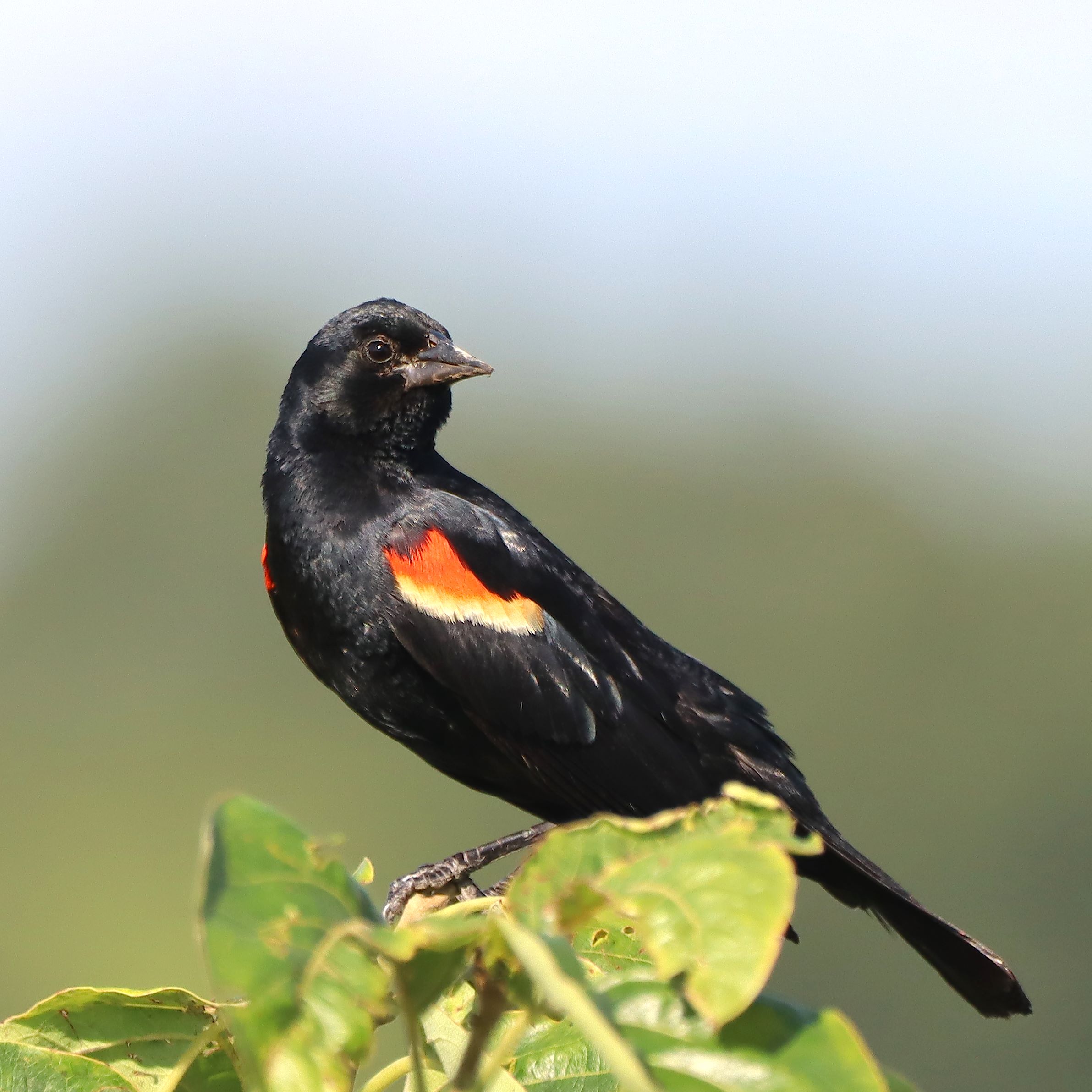
Red-Winged Blackbird (male)
I could describe this species as the poster child of our primary ecosystem. They are one of the first to arrive in the early Spring, and their distinctive call – which they do not hold back belting out – tells me that winter is nearly over.
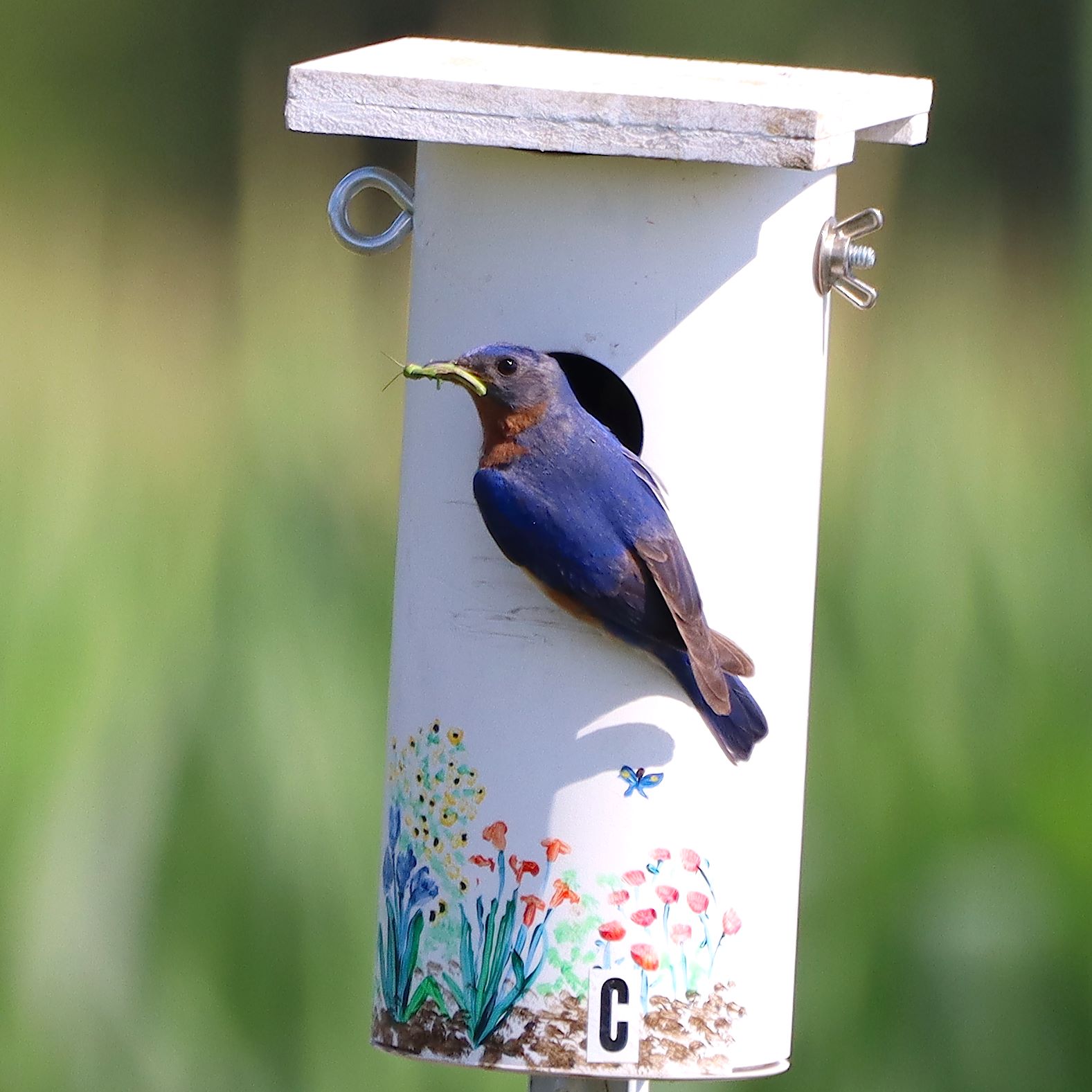
Eastern Bluebird
Due to my interest in providing the cavity nesting birds homes in which to rear their young, this is a fairly common sight during the summer months. This specific photo shows a male bringing food to the chicks on what I believe was the first day they hatched.
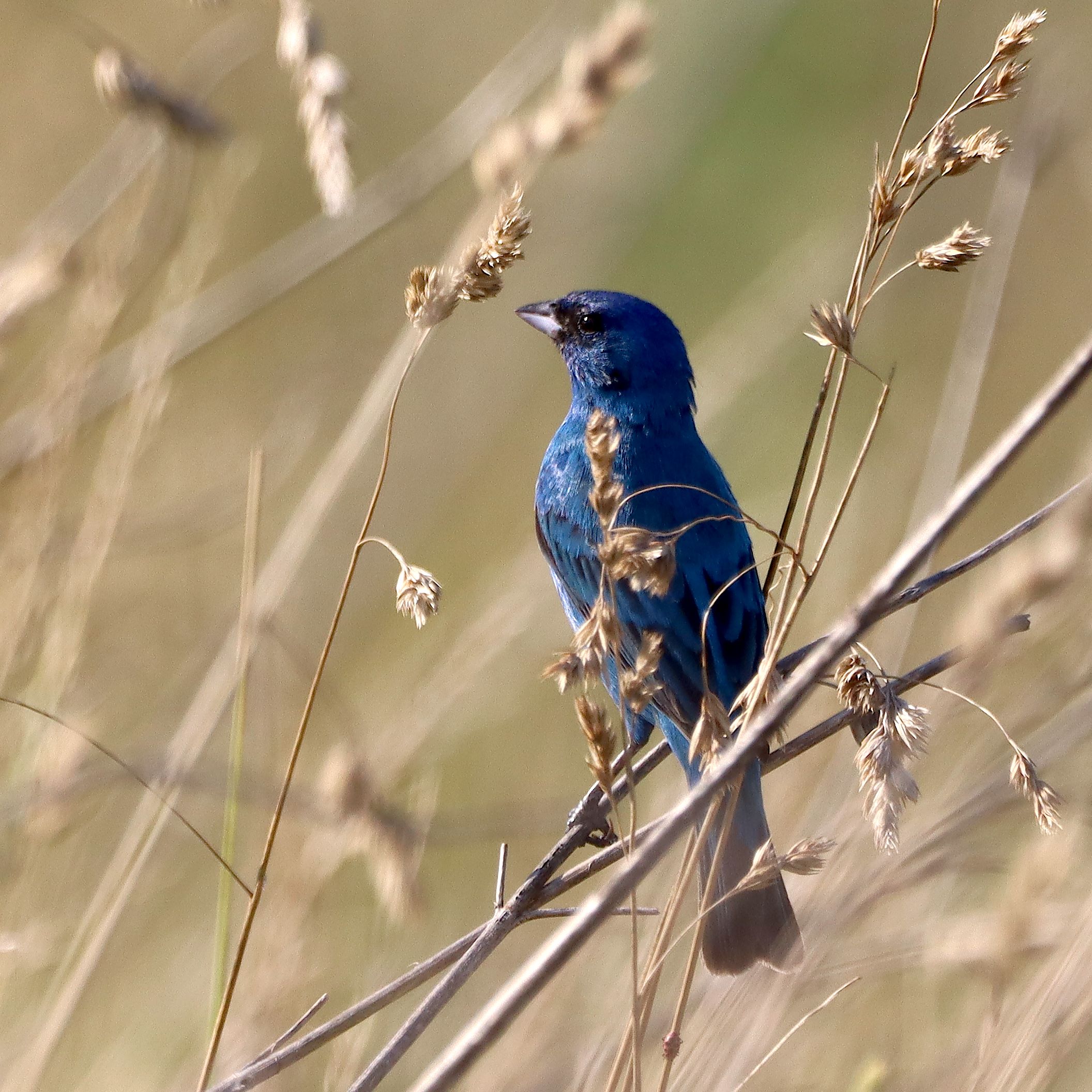
Indigo Bunting
When people ask, “do you feed the wild birds?” an images such as this one pops into my mind. This handsome bunting is taking advantage of last years grass crop. Many species of grasses grow naturally all around our property. While we cut large areas to prevent the entire property from becoming shrubby, the hedgerows between those fields as well as sections which we leave feral for a few years before cutting, mature and produce millions of seeds for the wild birds, not only at the end of the season, but well into the following year.
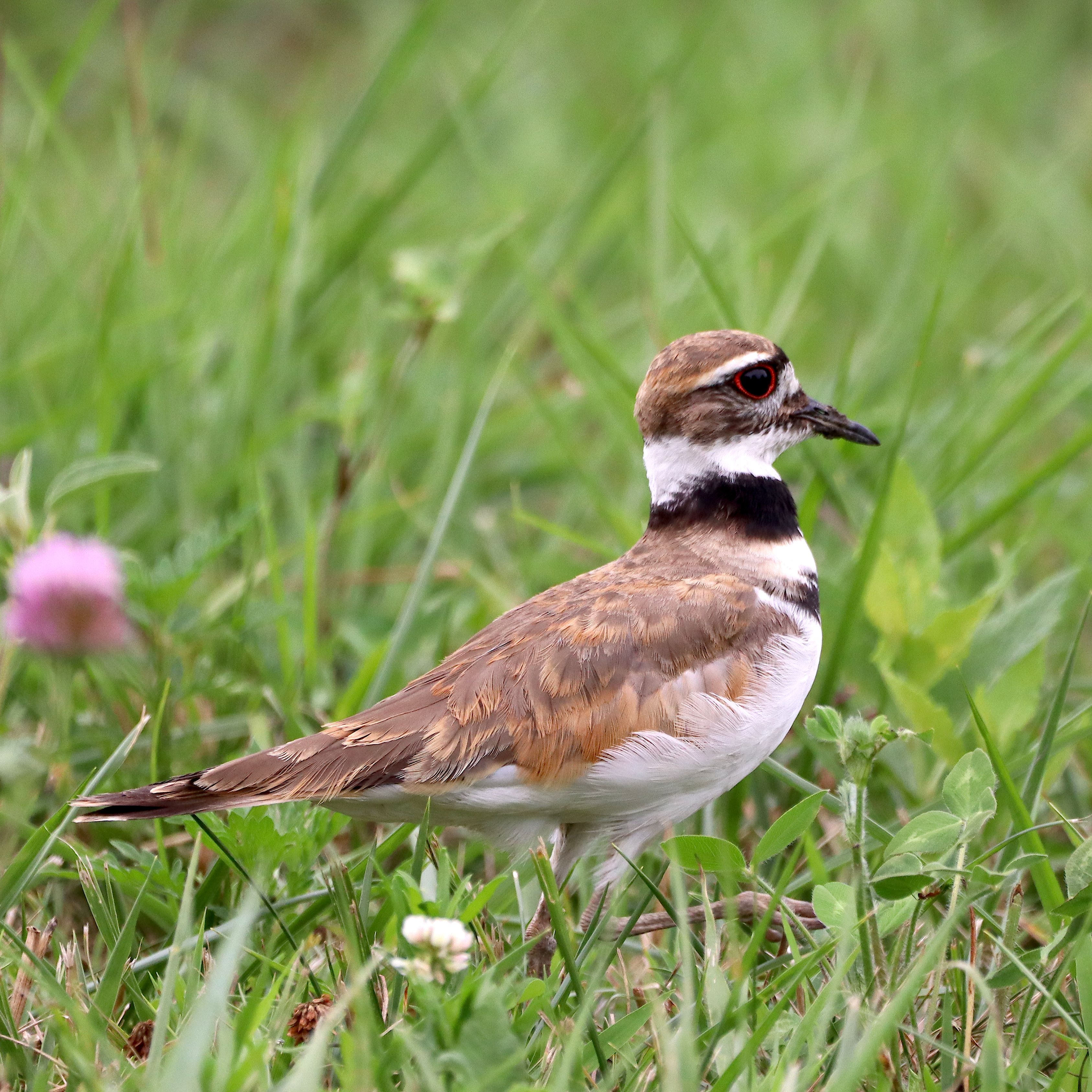
Killdeer
This species seems out of place in a rural farmland. They are, at their core, a type of shorebird. They sound, act and fly like shorebirds. Still, it’s not odd to see them along the country roads, even where there’s no immediate source of open water. I only rarely see them at the edges of our pond, but they fly over and around quite frequently.
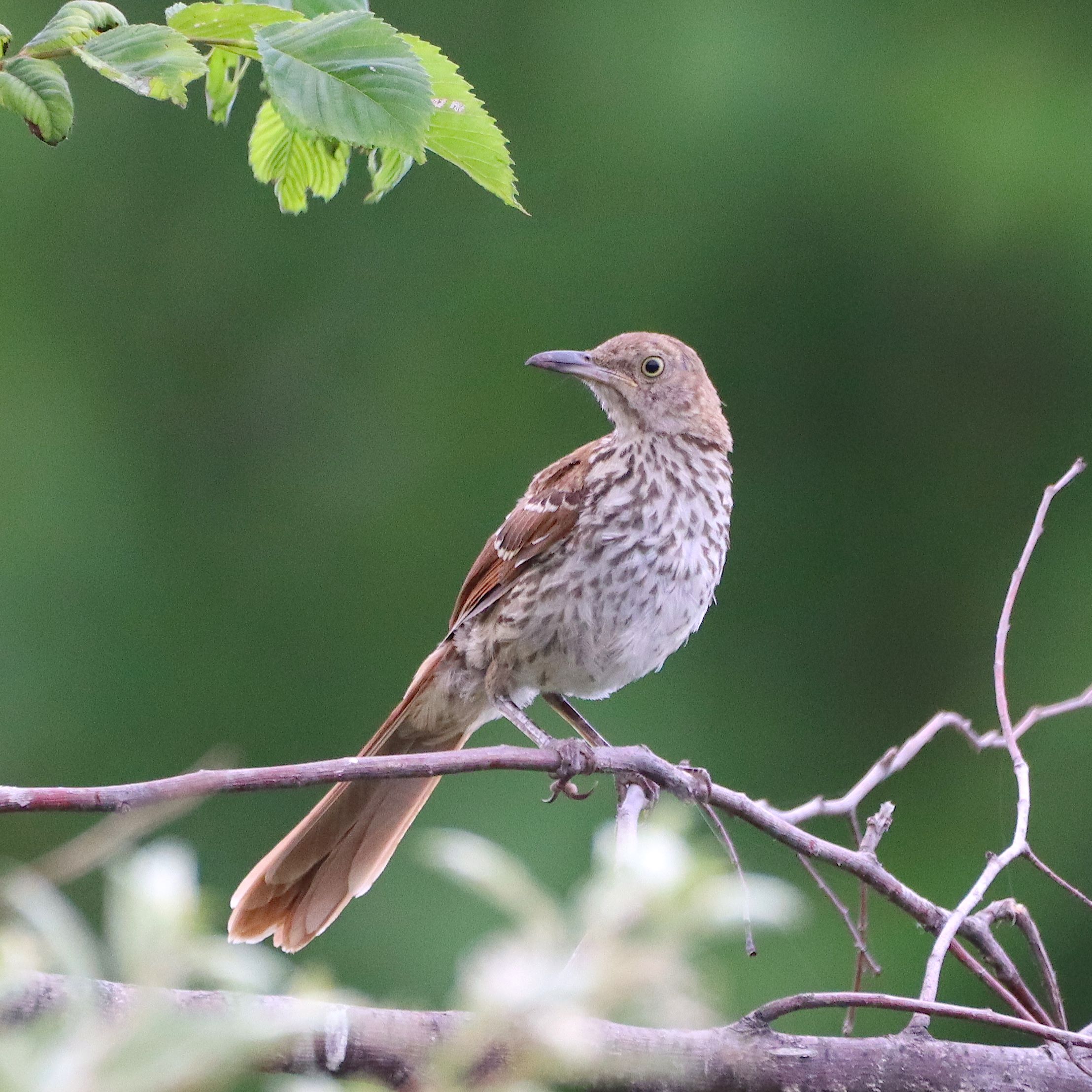
Brown Thrasher
This bird’s vocalizations are spectacular. They transport me to a tropical rain forest environment. Quite elusive, because they hang out in the bramble and thickets, it’s only occasionally that I get to film them in bright sunlight – which was not the case with the photo shown below. But, he’s still handsome, even if his rich red-brown color isn’t terribly brilliant in this picture.
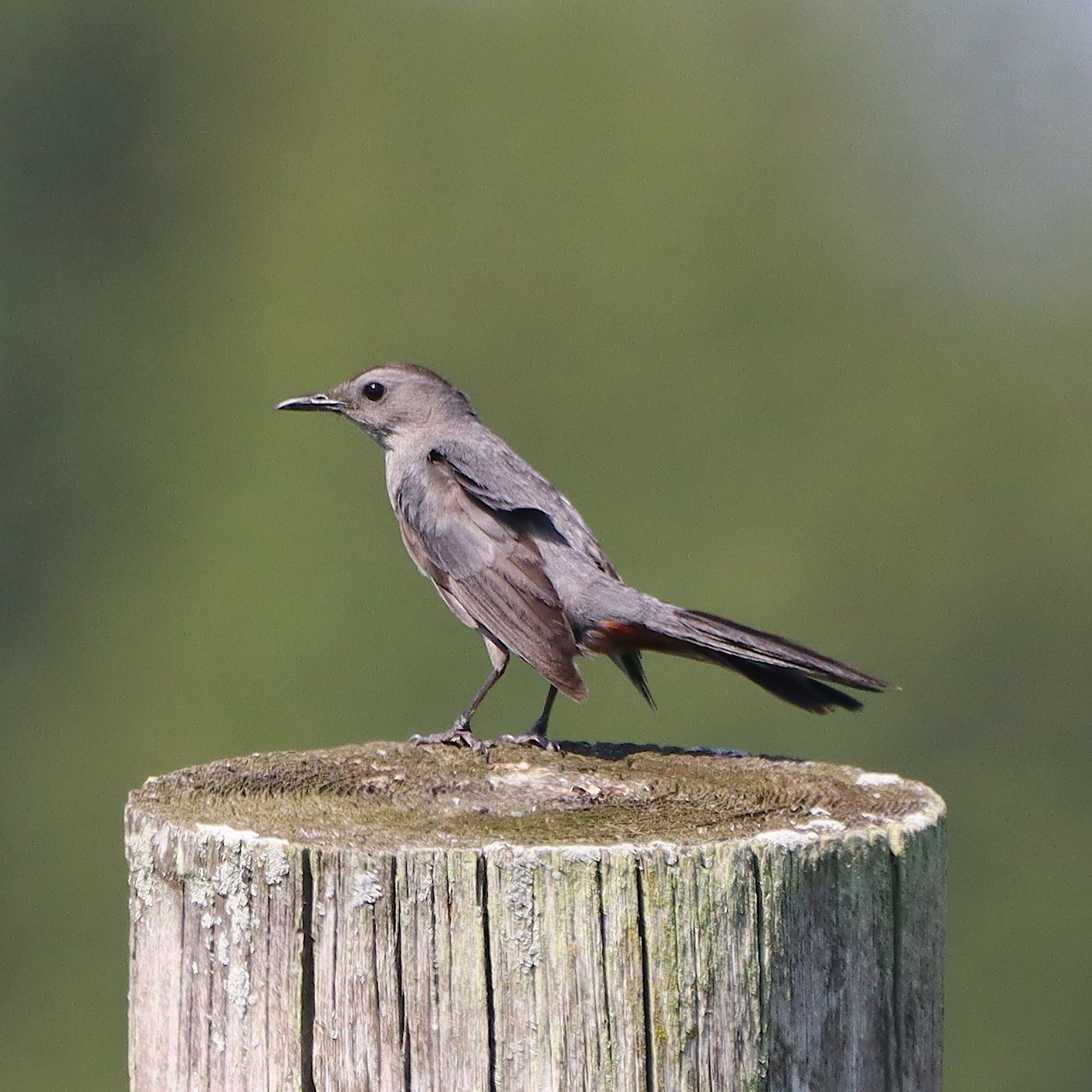
Gray Catbird
This bird, like the Brown Thrasher, also spends a lot of time in the thickets, where they raise their young. This bird came out into the open when I was filming near a Bluebird nest box, and I was able to get this image of him. Although it’s often difficult to spot, in this photo you can see the bit of red under his tail feathers, which is a characteristic of the Catbird.
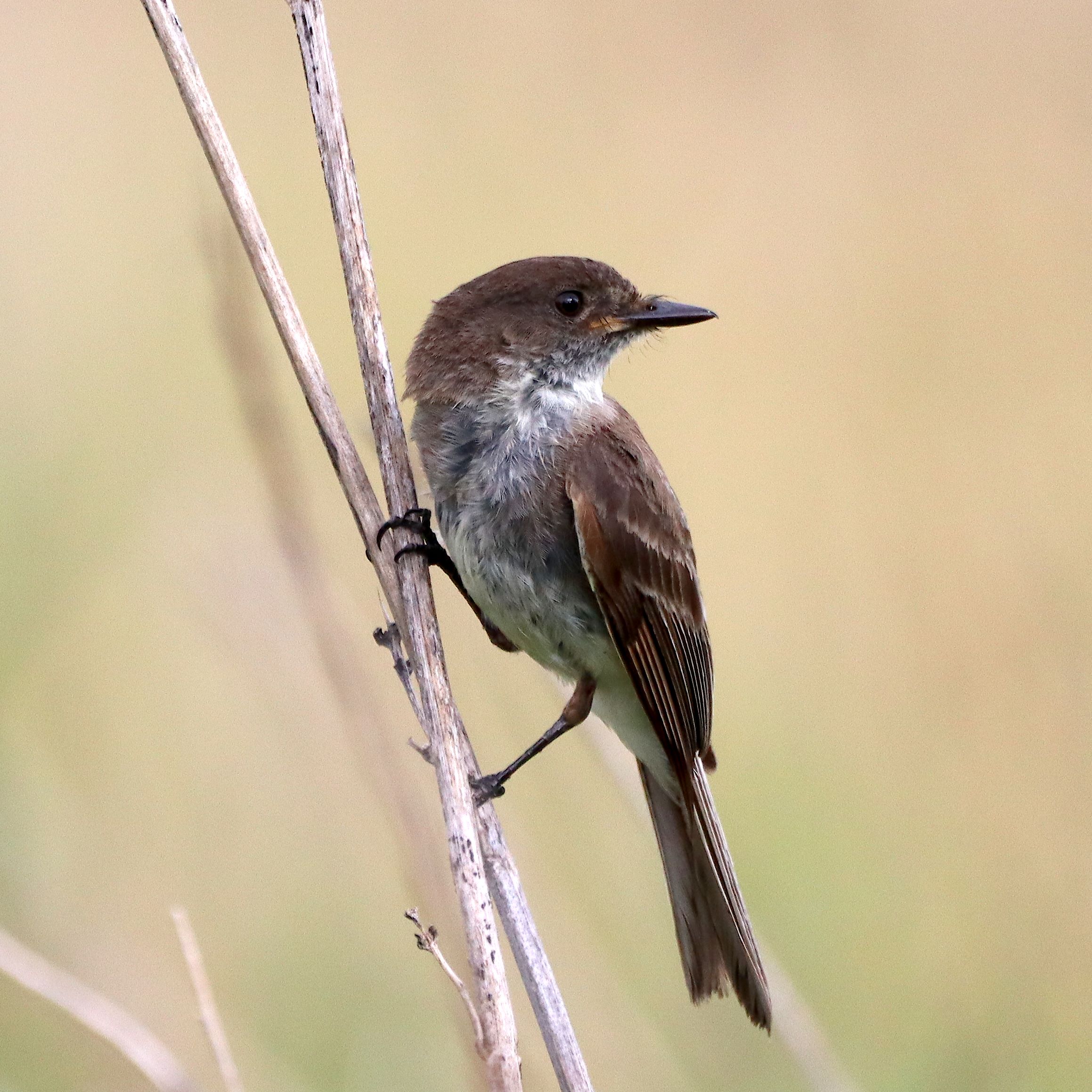
Eastern Phoebe
This species is human friendly. As an example, they sometimes build their nests in the rafters of a back porch. When I go out and about to film birds, they often remain when another bird might fly off as I enter a space. Because these birds are willing to hang out around people, many of my images include a fence rail or other unnatural element. I was pleased to have captured this individual perching on the dried reeds on an overgrown field in a very natural composition.
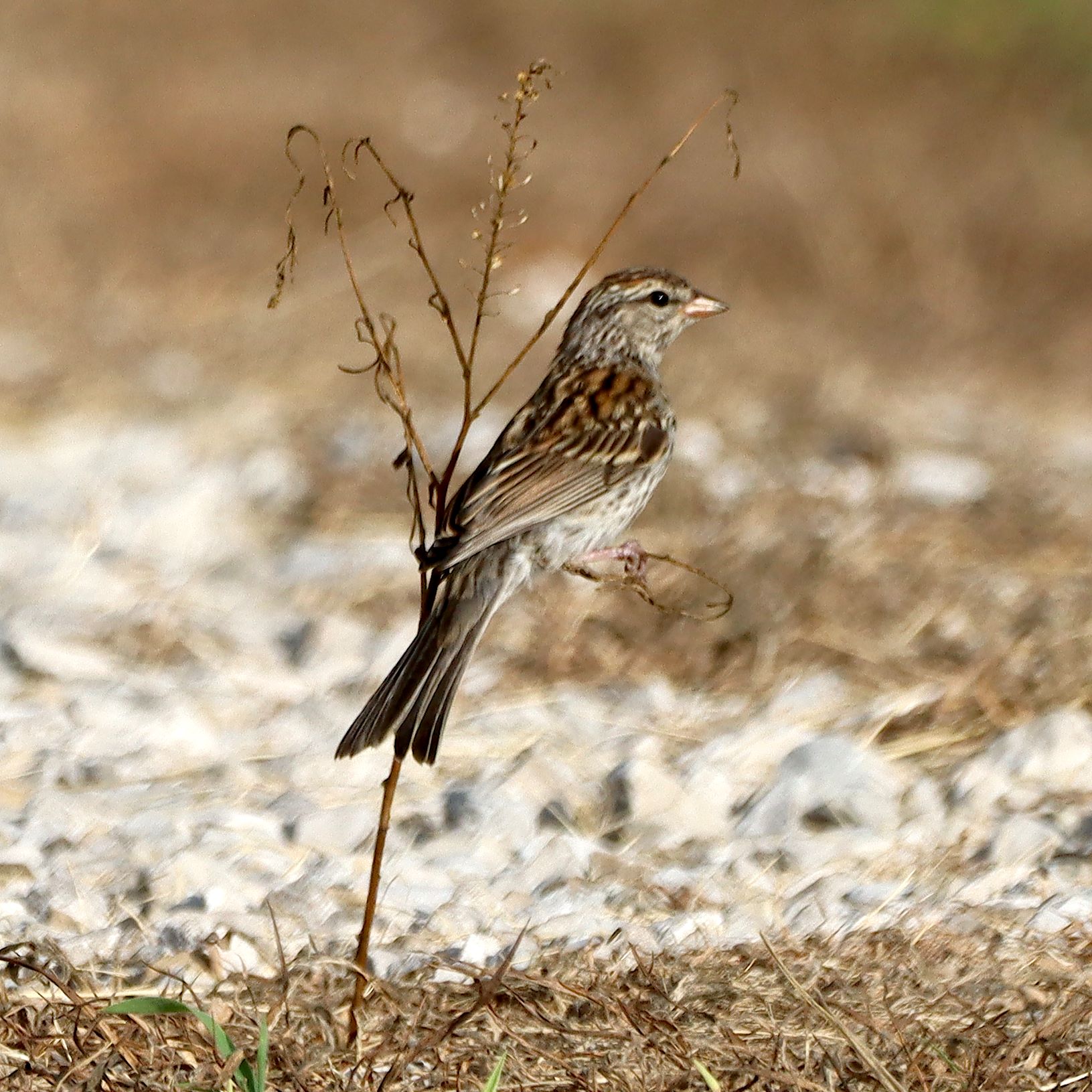
Chipping Sparrow (juvenile)
I had a bit of a challenge to identify this little bird. In the end I determined it to be a juvenile (or adult out of breeding season.)
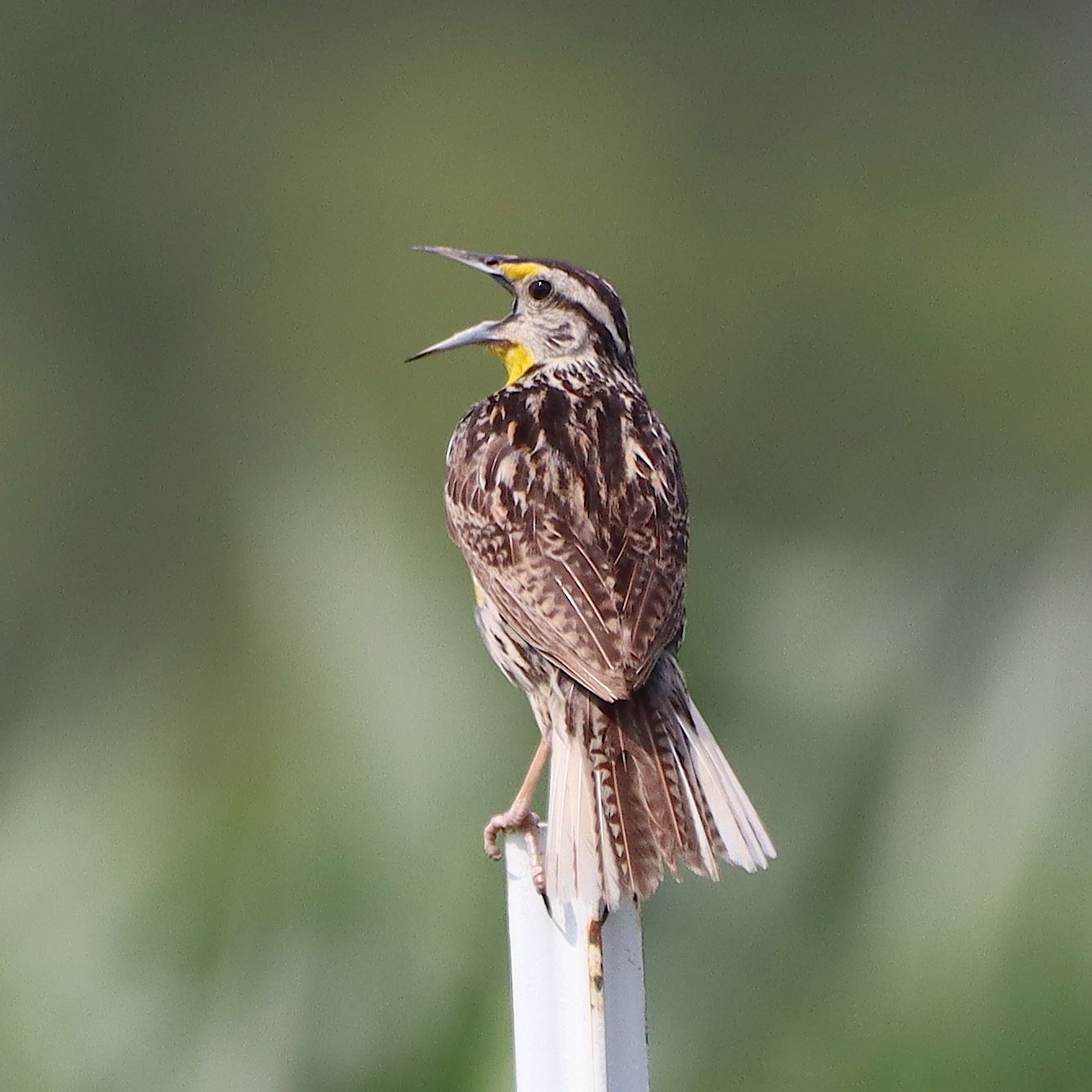
Eastern Meadowlark
Could he open his beak any wider? One of the earliest bird songs that returns after the quiet of winter is that of the Meadowlark. Throughout the season they find perches (like this fence post or the tops of trees) to belt out their melody.
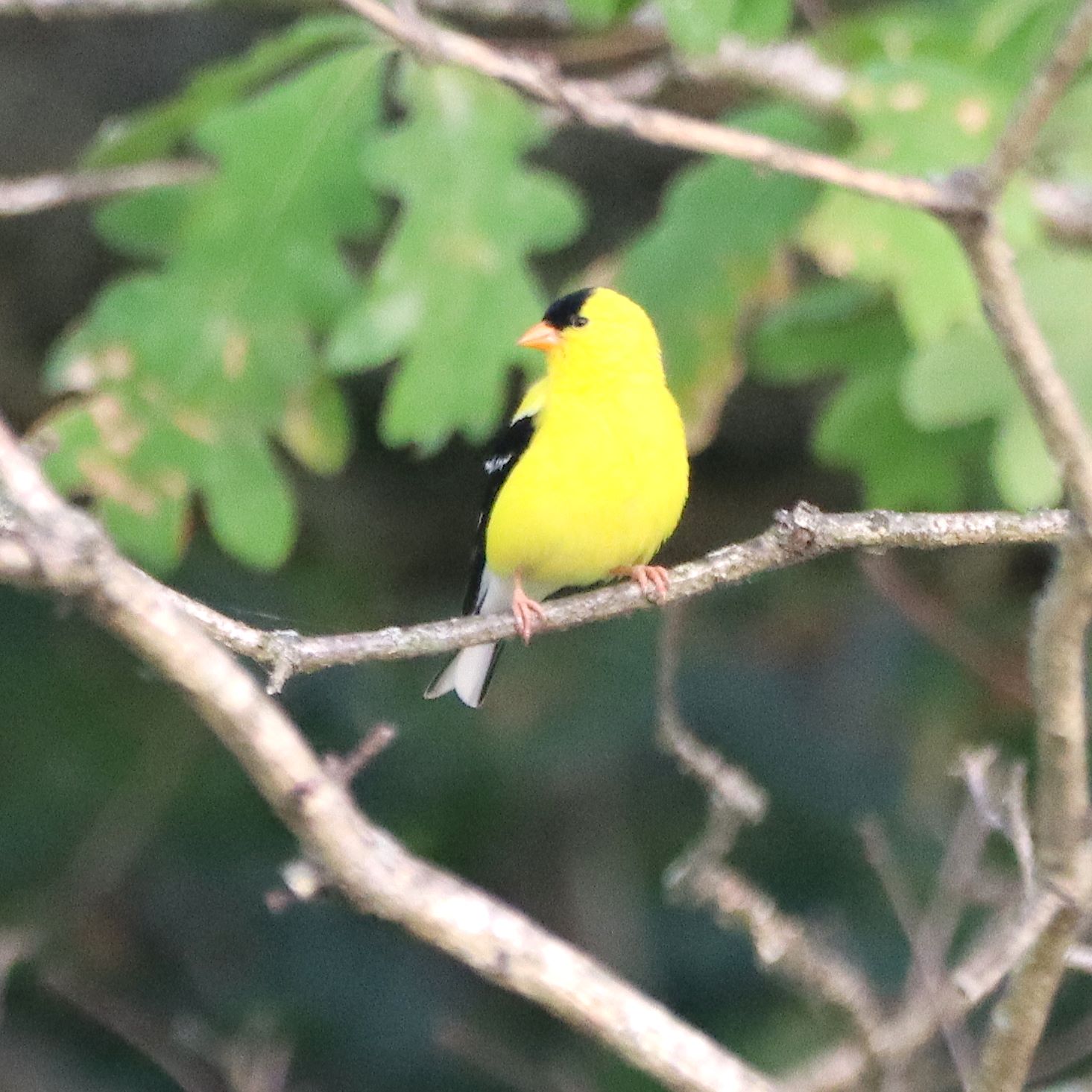
American Goldfinch
This isn’t the best quality photo. I have better images of these birds during depths of cold winter when we offer food in feeders up by the house. However, I’m happy to have captured this beautiful male in his naturalness.
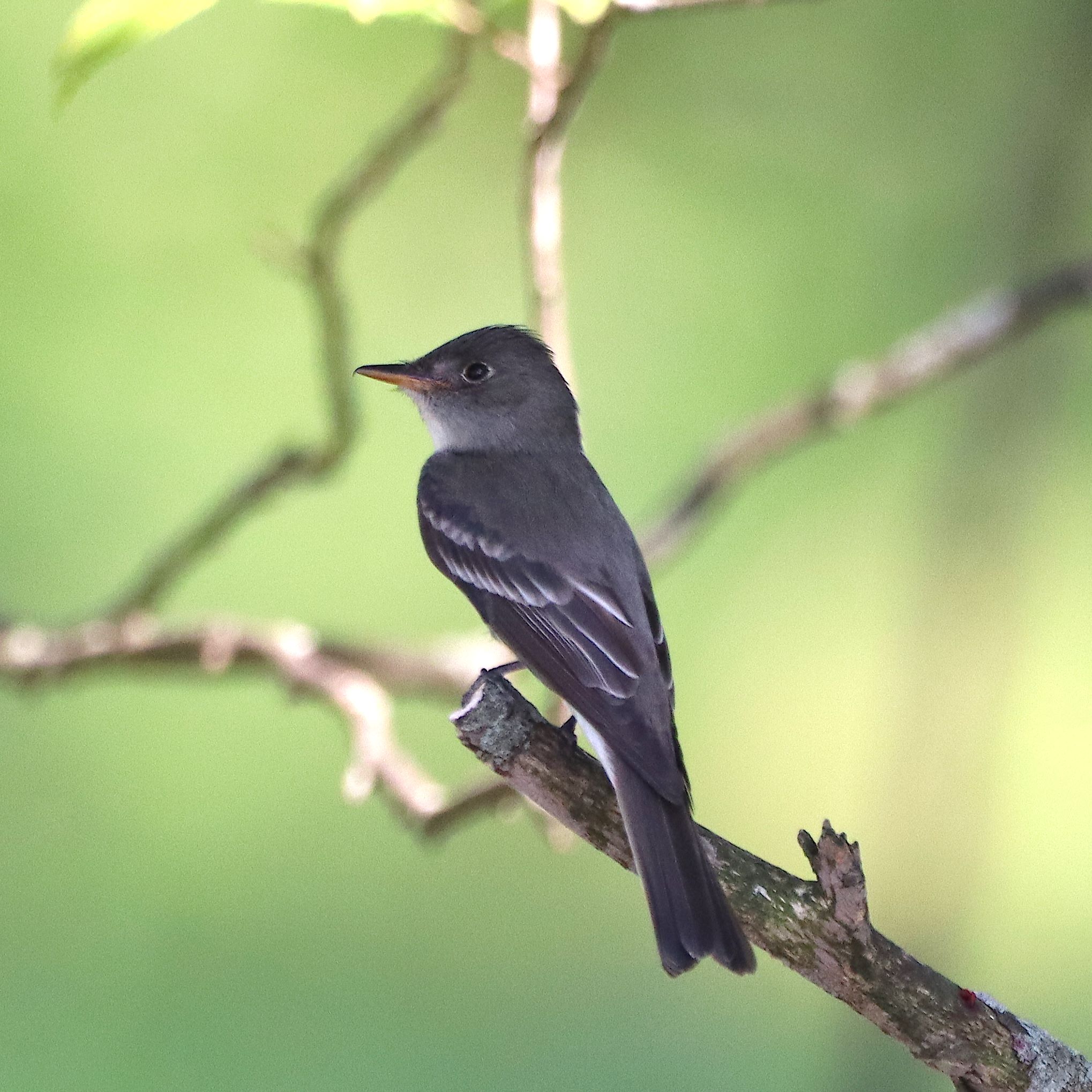
Eastern Wood-PeWee
That word “wood” in this bird’s name might let you know that it prefers to hang out in the woods. It’s a challenge to film this species in the bright sunlight, but I always know they are around due to their very easy to identify vocalization.
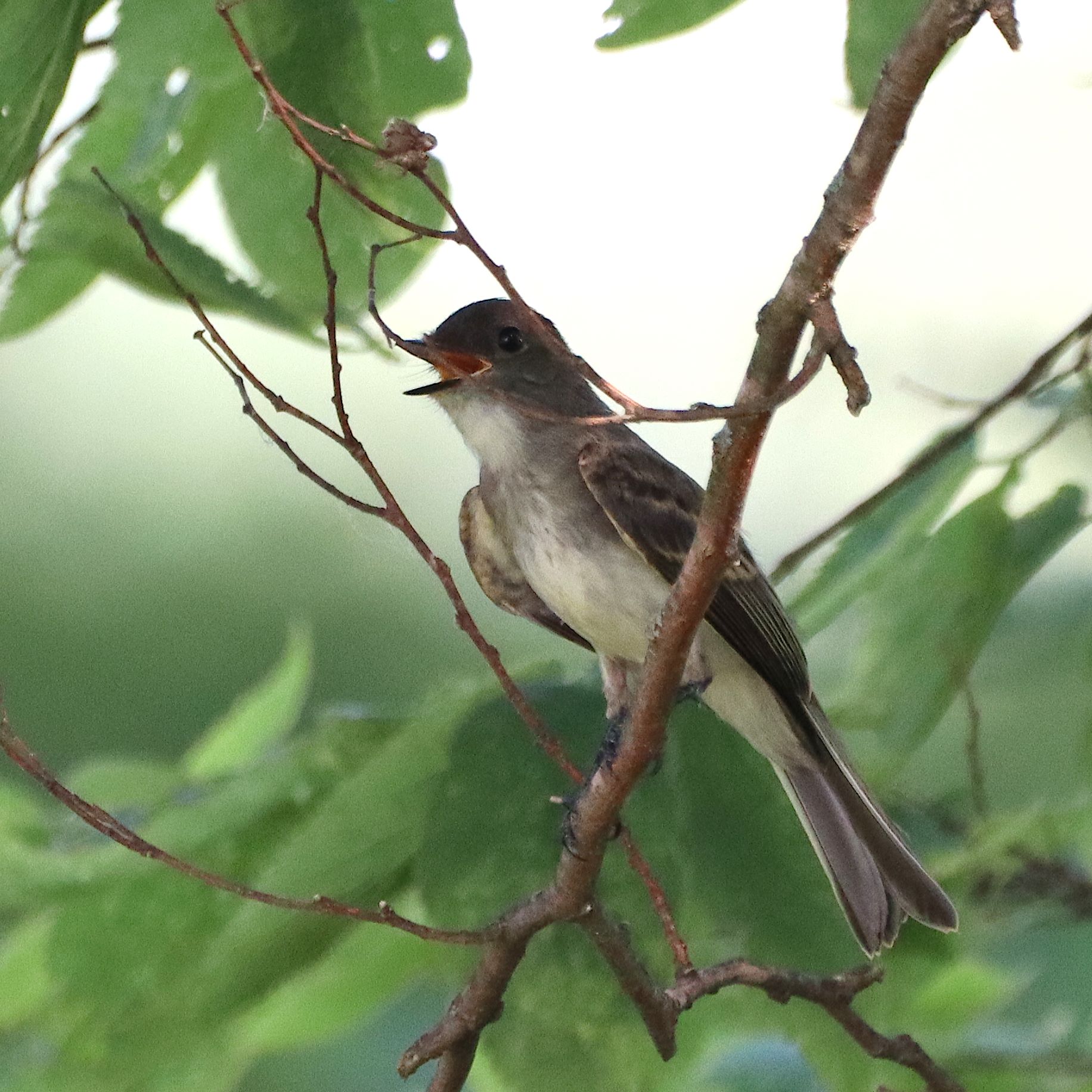
Eastern Phoebe (juvenile)
Even though I already presented one images of a Phoebe, I had to include this one due to the cuteness factor that this youngster possesses.
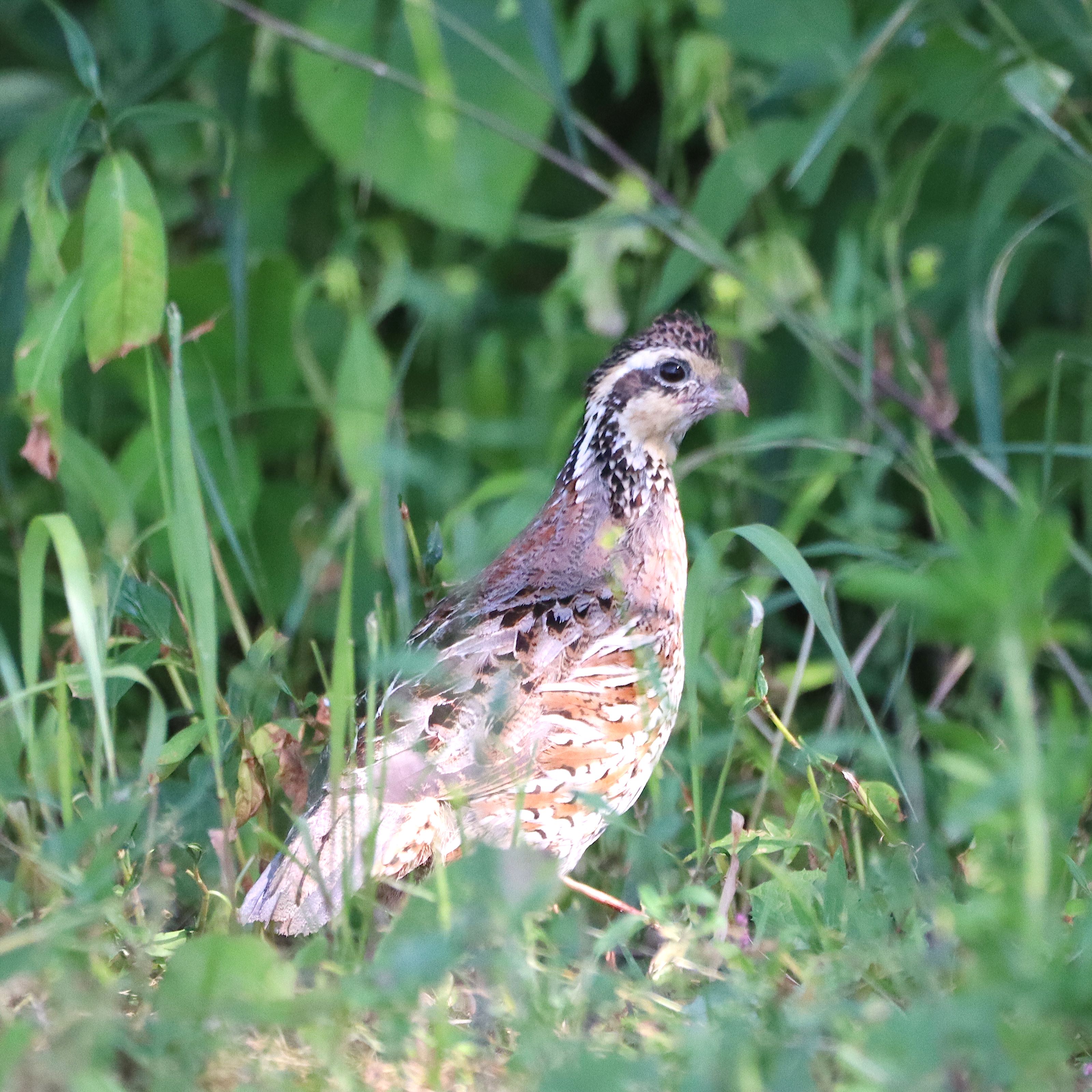
Northern Bobwhite
A type of quail, these birds tend to hand out on the ground in the underbrush. When I spot them, they are most often in pairs.
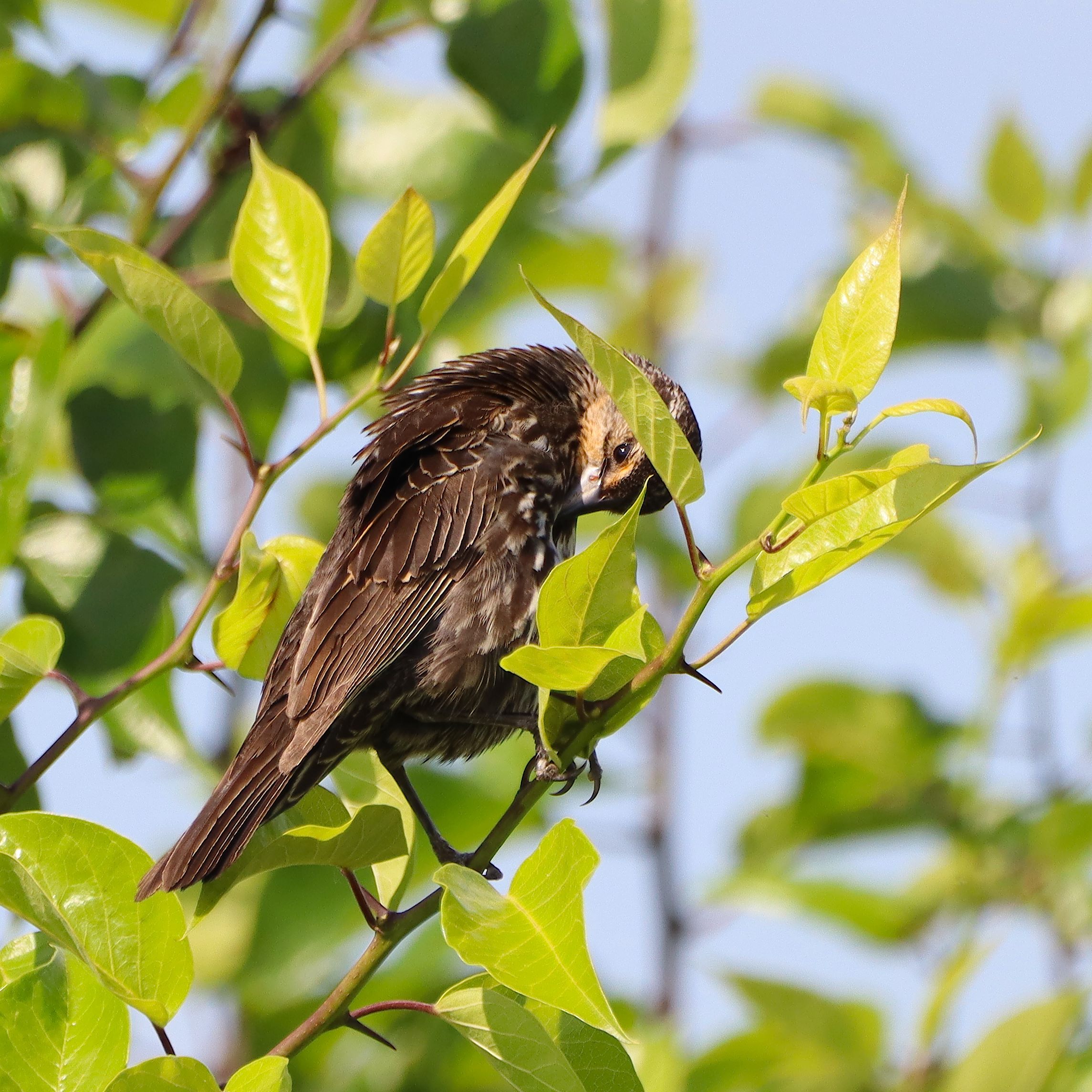
Red-winged Blackbird (female)
Here’s a species that is has very distinct markings on the two genders.
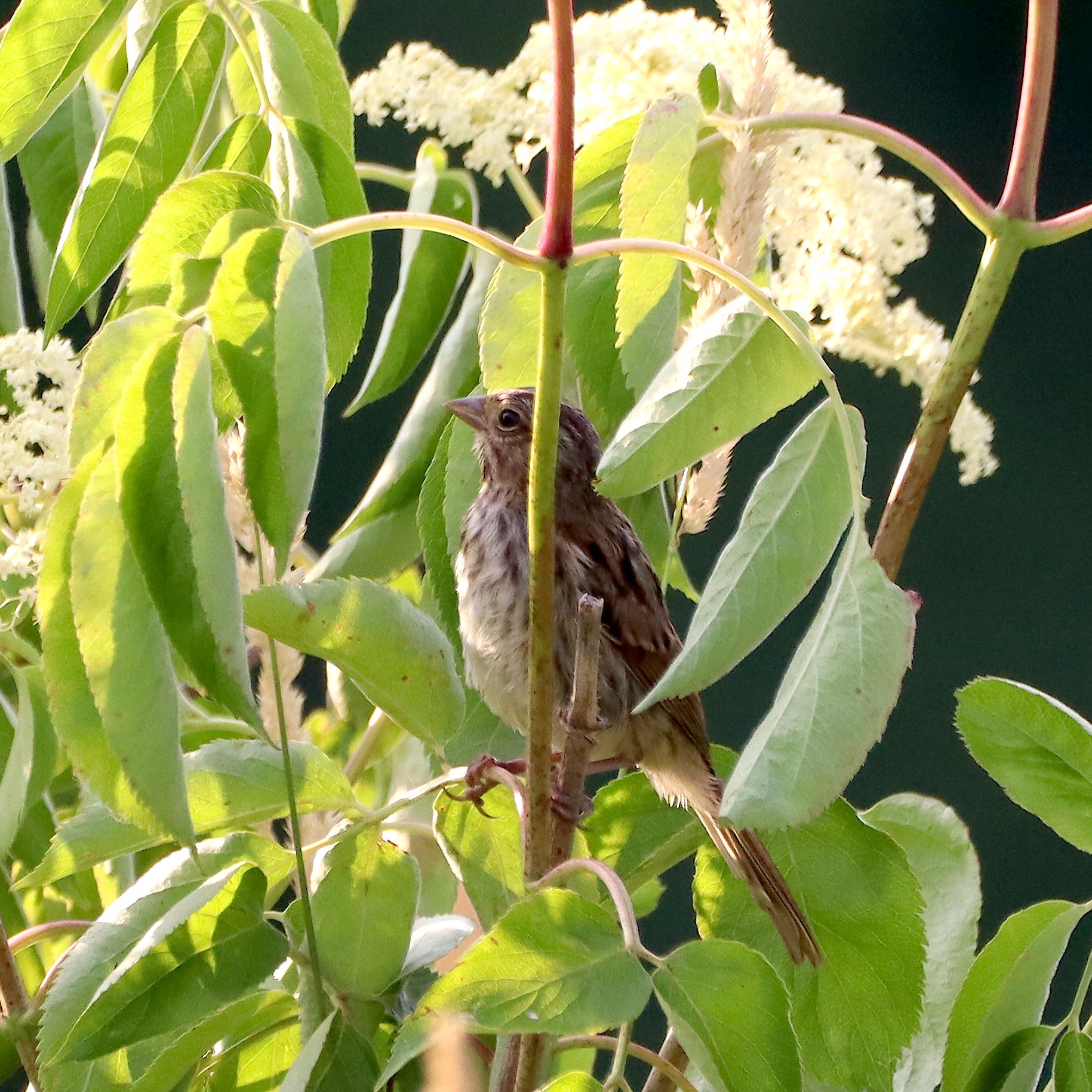
Song Sparrow
Easier to hear than to see at times, this little guy was hanging out under the umbrella of these lacy wildflowers.
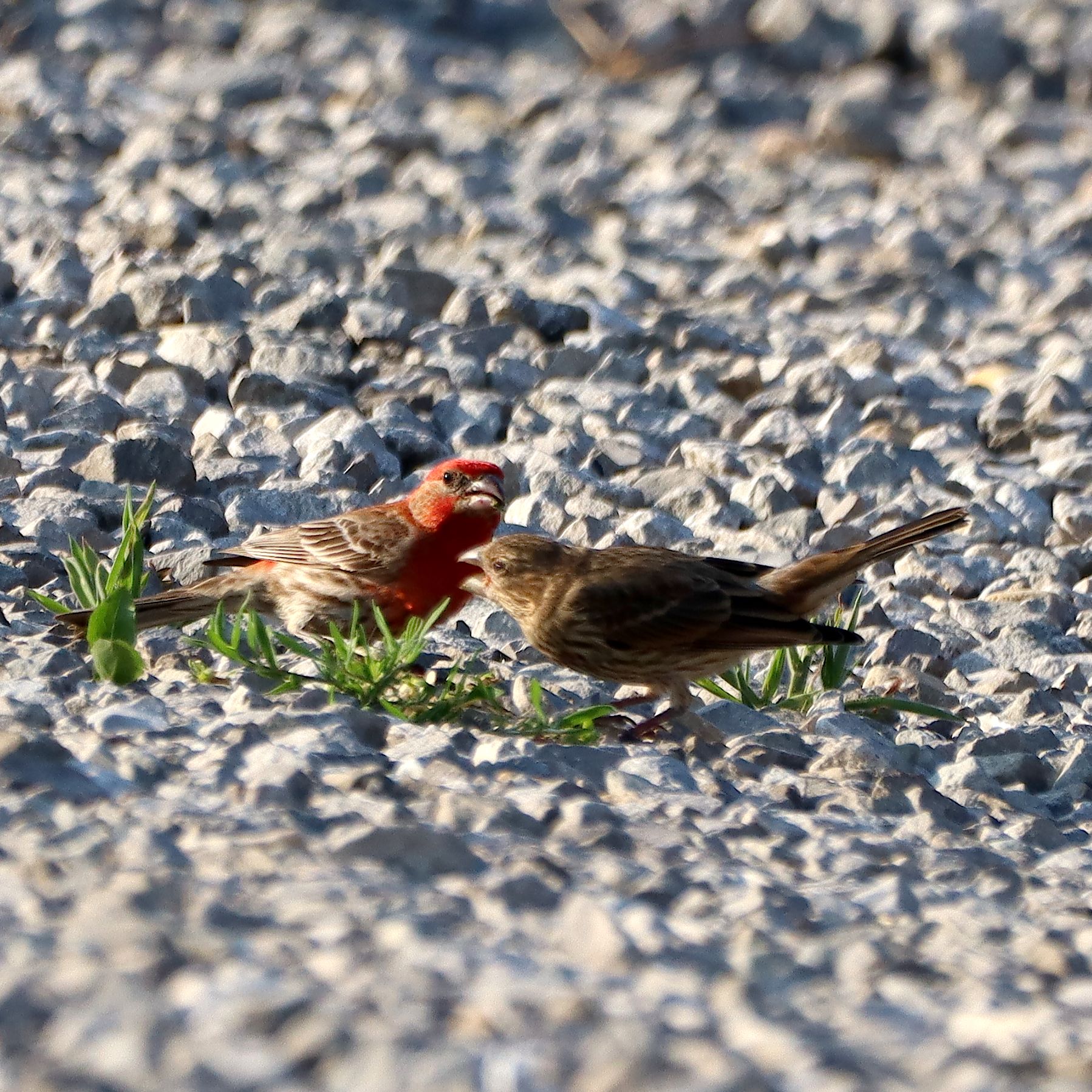
House Finches
I found it quite curious to spot this pair of House finches on the gravel drive. It appears that they found something desirable about the weeds growing between the rocks.
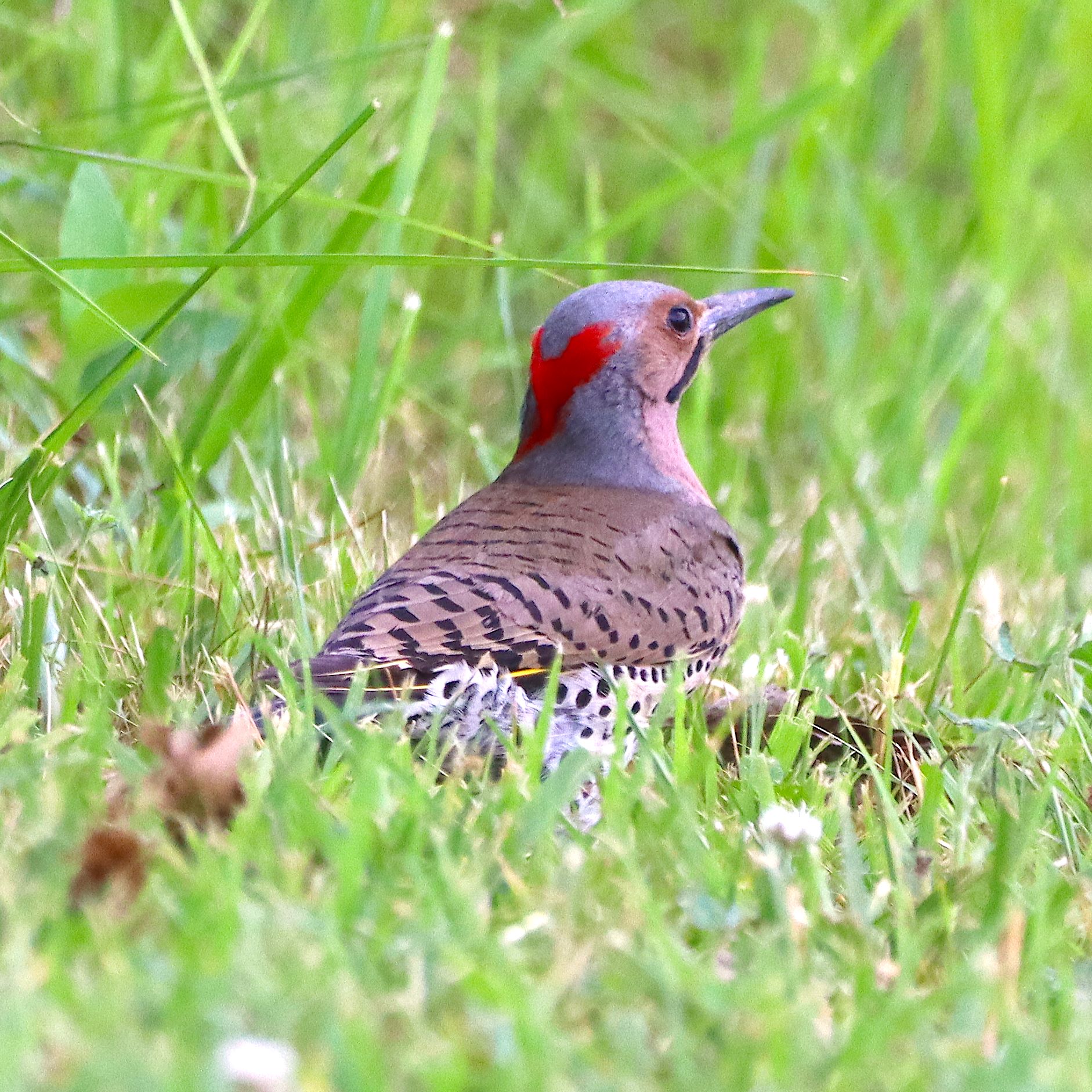
Northern Flicker
It might seem odd to see a woodpecker-like bird on the ground. However Flickers often hunt for insects, including ants, on the soil.


There’s so many beautiful birds that got photographed so well, great photo
Beautiful!!!