Tammie Rogers
Inspired by Dogs & Nature
Migration Forthcoming
Where did summer go?
Many species have already migrated south. On my recent trip around the farm, I found the silence deafening. The chortle of the Purple Martins, the constant trill-tweet of the Red-winged Blackbirds, and melodies of the Meadow Larks were absent. The caw of a distant crow, the cry of a Blue Jay and the infrequent melody of a Blue Grosbeak was all that I heard. Still, I saw none of them.
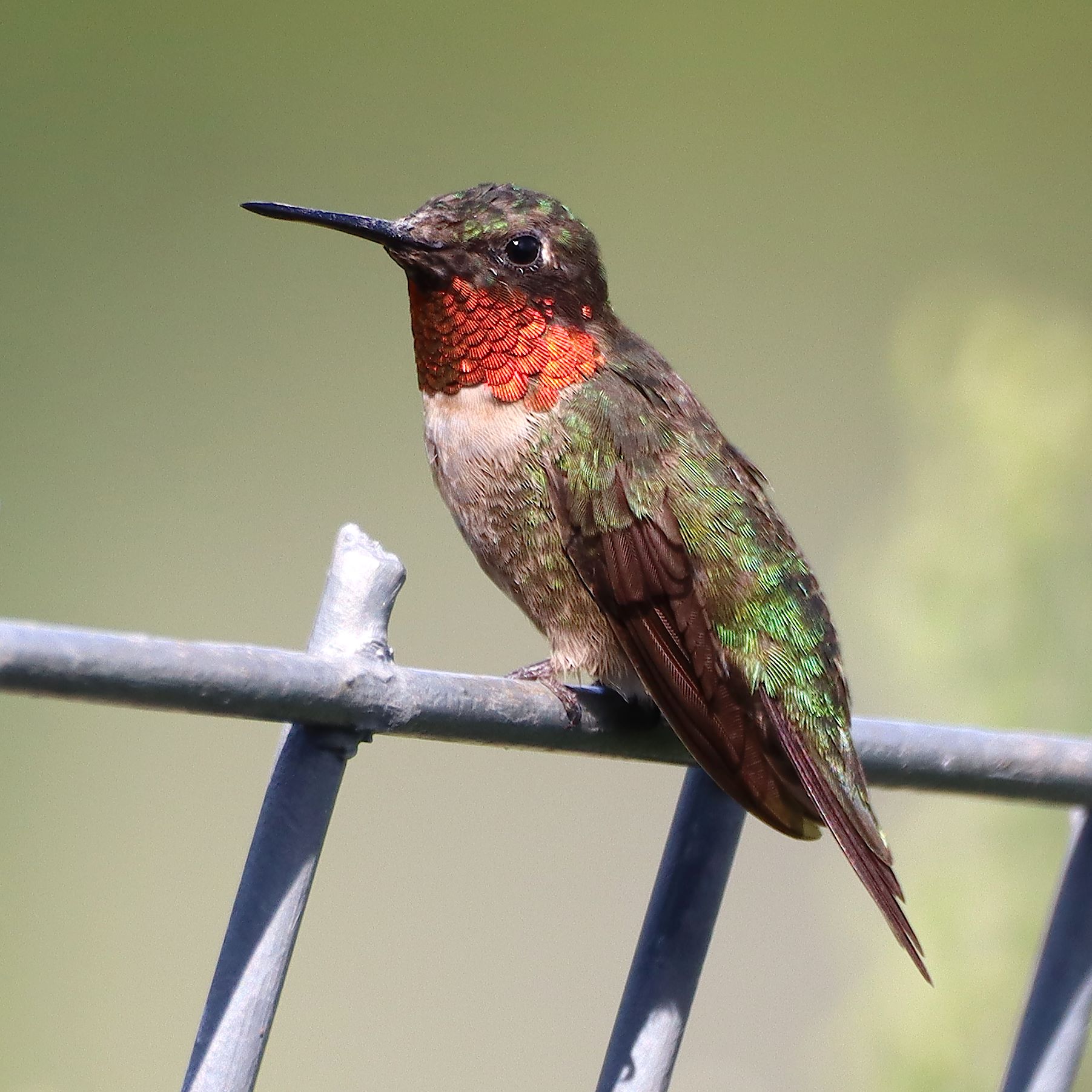
One species which I am able to observe quite clearly as their prepare for their migration is the Ruby-throated Hummingbirds. We hang nectar feeders on my office patio where I can observe them whether I have the opportunity to travel around the property or not. The males depart first, usually by the end of August. The last photo I took of a male Ruby-throated this year of on August 17, 2023.
The females and the new fledglings stick around and plump up for their migration to Mexico and Central America. I can clearly see them gaining weight…and then, one day the group of nearly 20 birds drops down to just a few.
Here are some photos I took on August 31, 2023. I was excited to see that some of the birds were stopping by the red rose bush on their way up to the patio where the nectar feeders hang. I always prefer filming birds in their naturalness. These birds did not disappoint me. Still, filming at a stationary feeder is far easier as I can focus on the single subject and wait for the birds to enter the focal area. With the rose bush that wasn’t an option. I did have one advantage. I noticed that there were three clusters of blossoms where the birds were most often visiting. I chose one cluster up which to focus and hoped I wouldn’t become exceedingly frustrated when a bird flitted to one of the other two areas, instead. These little birds checked out the roses quickly before coming up to the patio nectar feeders. It left me no chance of moving the camera and focusing before they flew off.
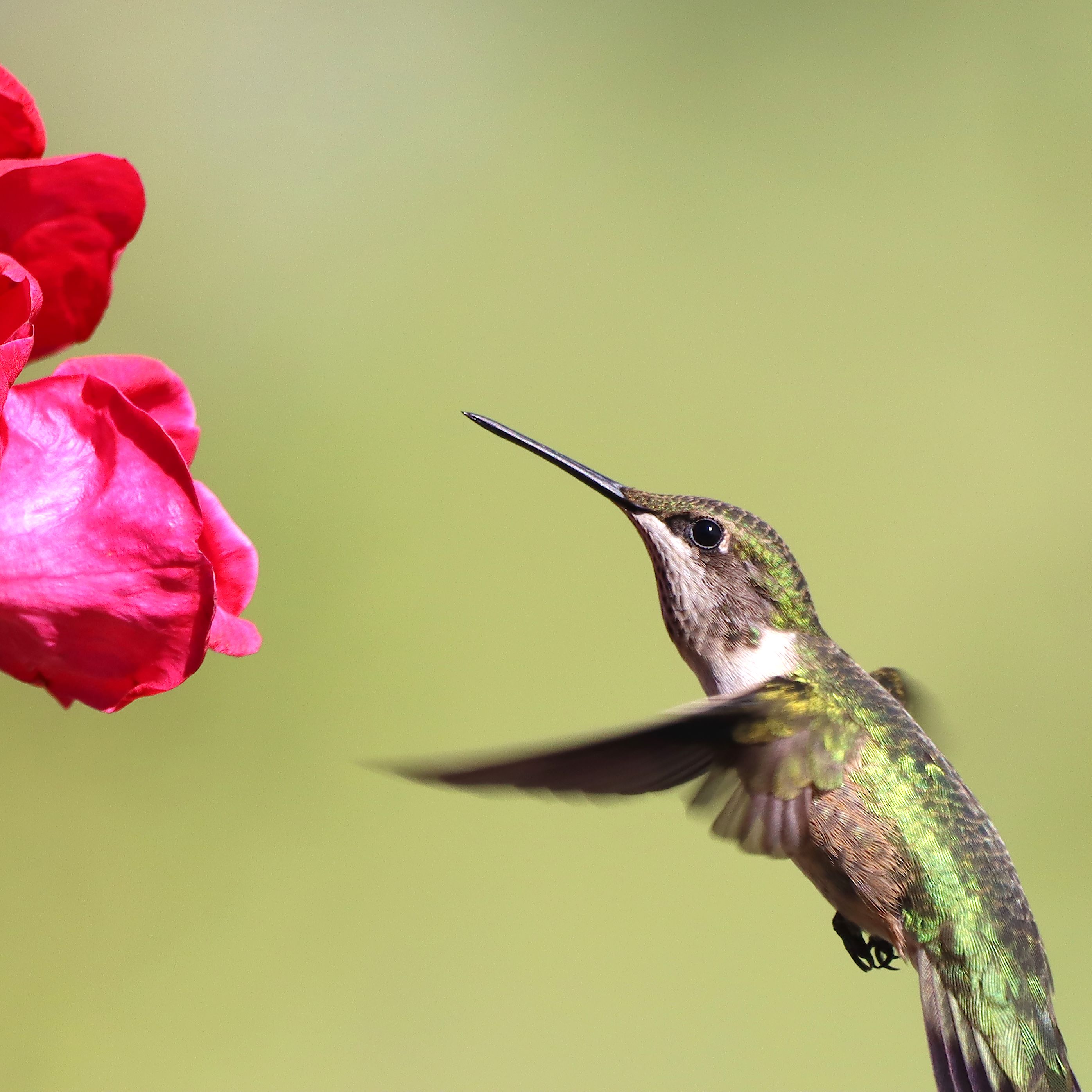
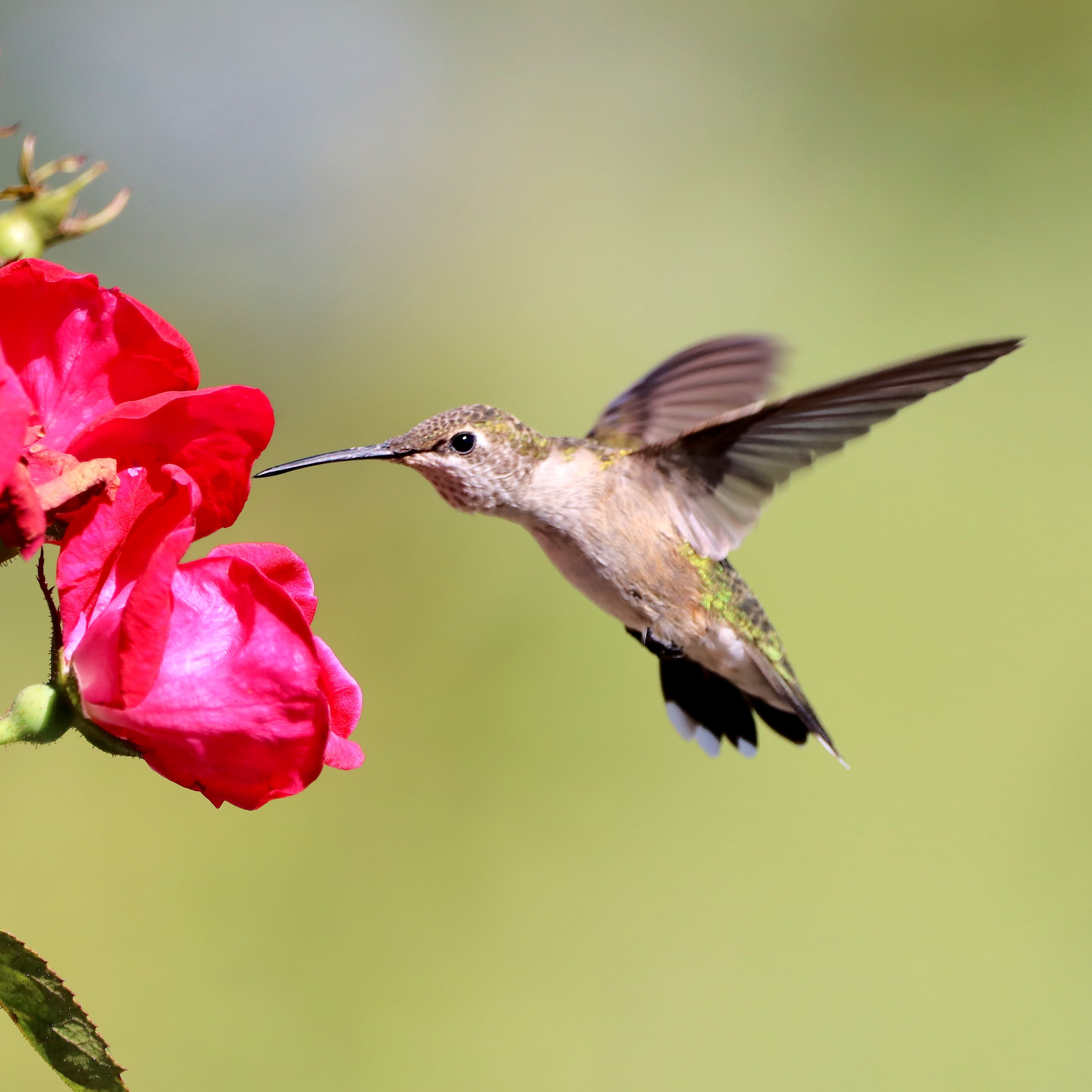
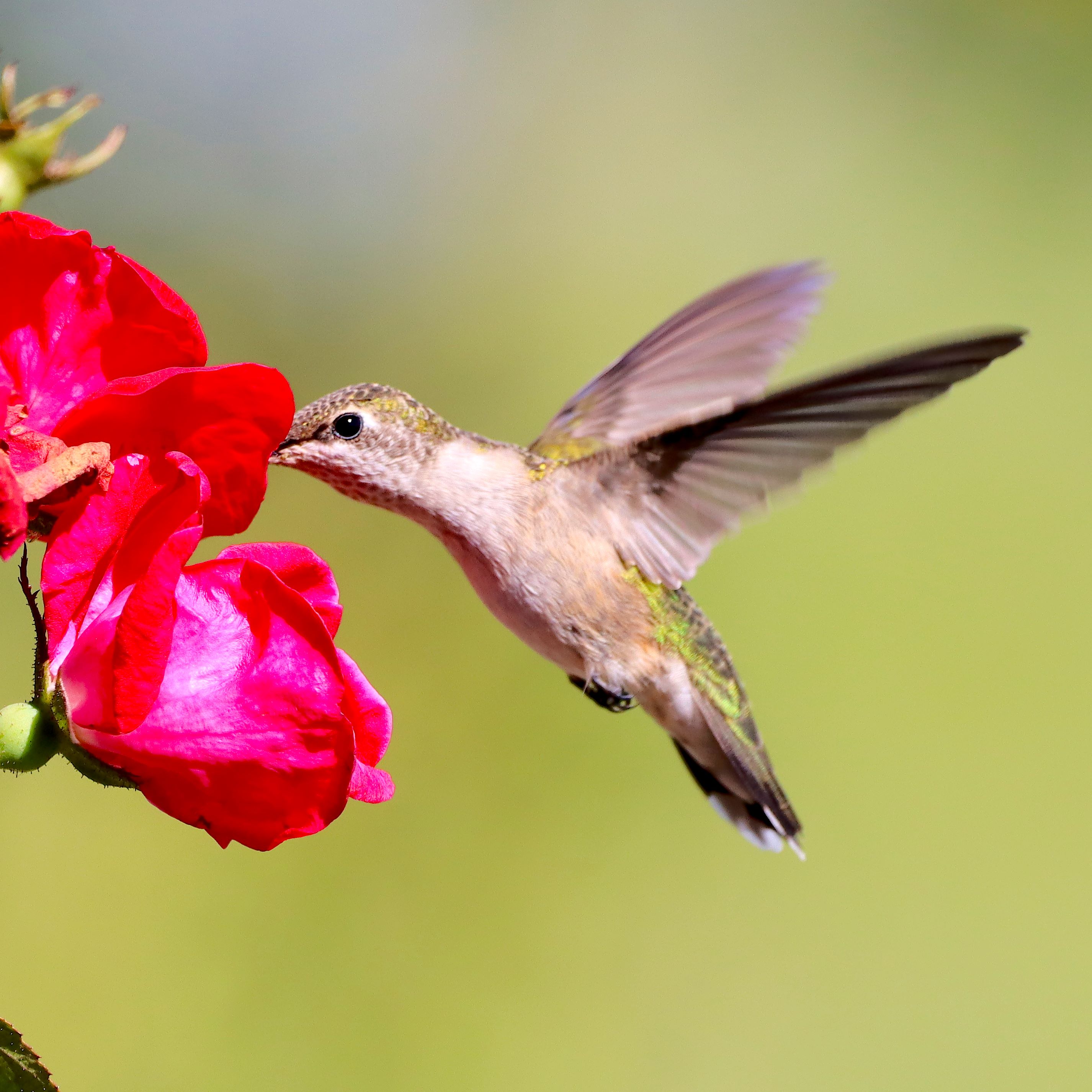
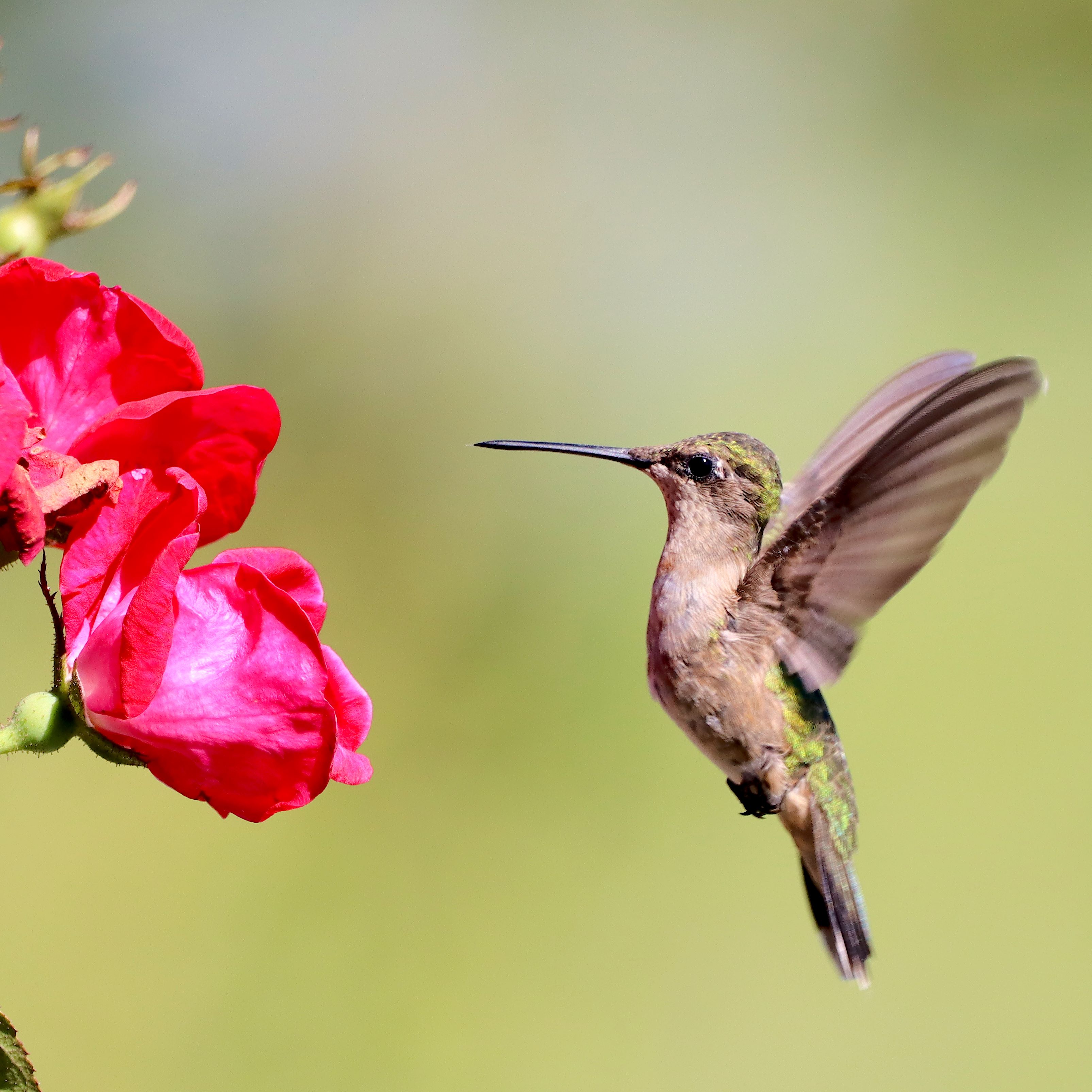
While I was filming the activity in the flowers, I came to realize that a few birds would feed and then settle at the same spot before returning to the feeder to take another meal. Their routines made it easier for me to capture their images. Below are three unique birds. I watched the individual in photo 1 and 4 land on that same long hanging branch of the rose bush many times in the 30 minutes I was filming.) I caught the third bird taking a bit of a snooze before heading back to pack in a few more calories for her upcoming journey.
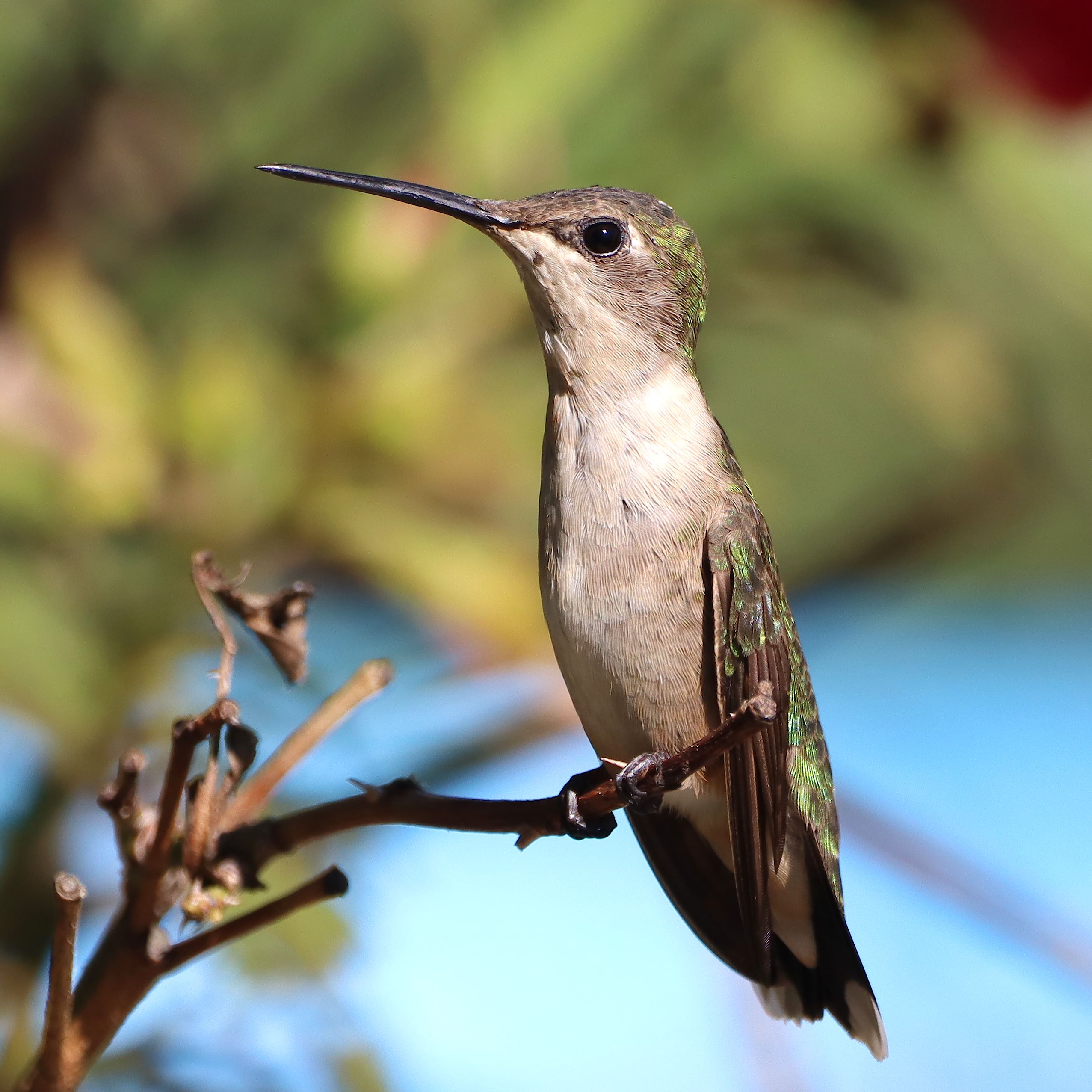
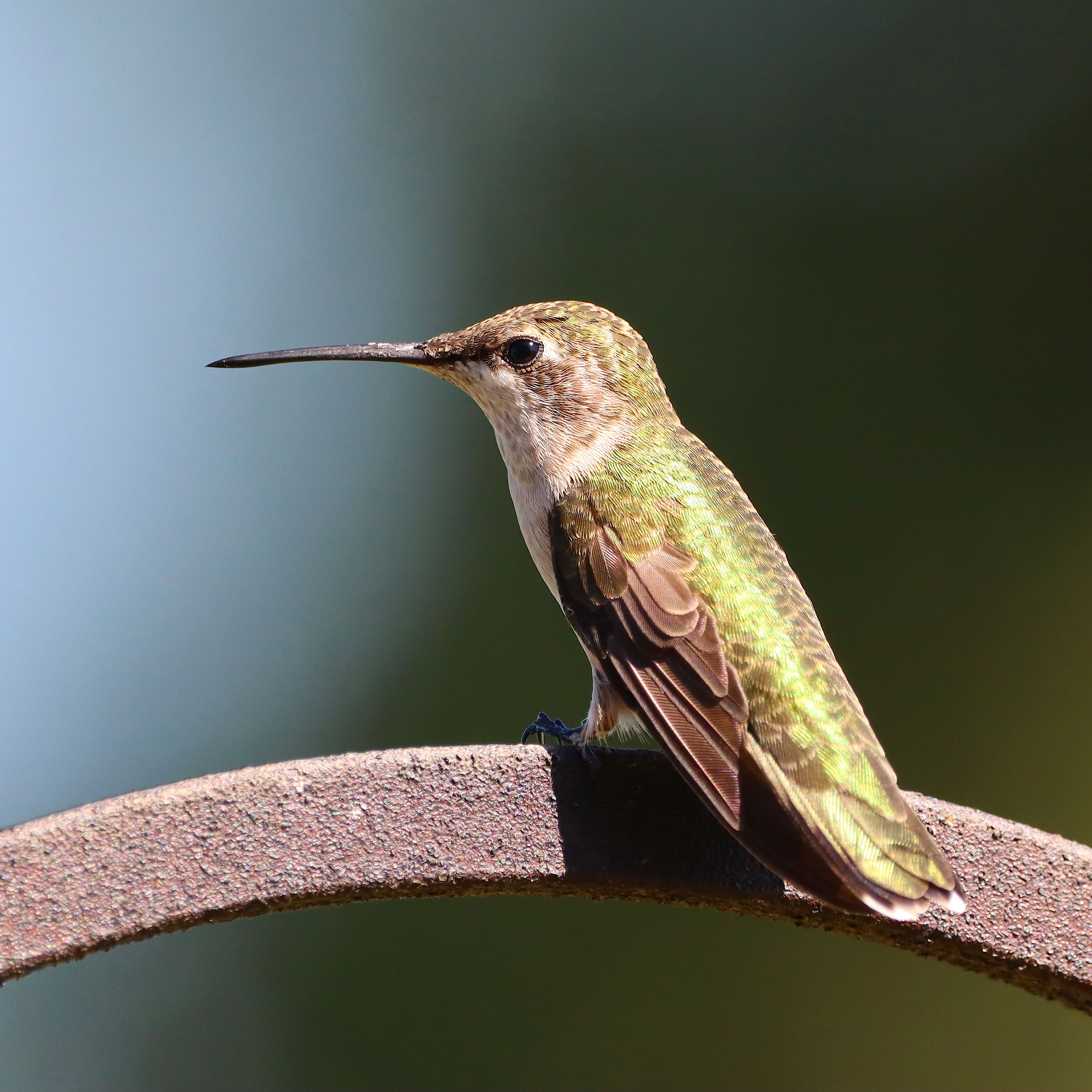
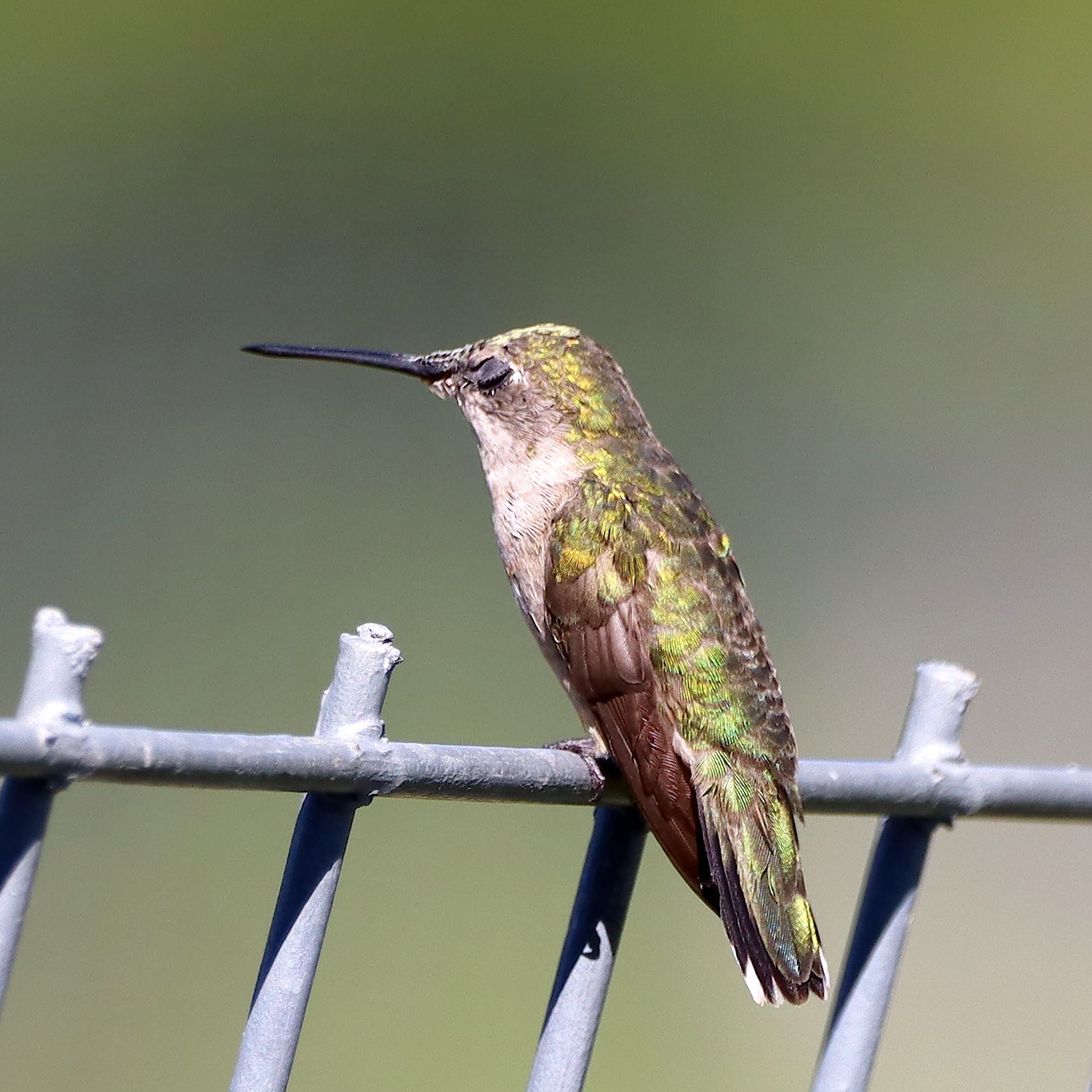
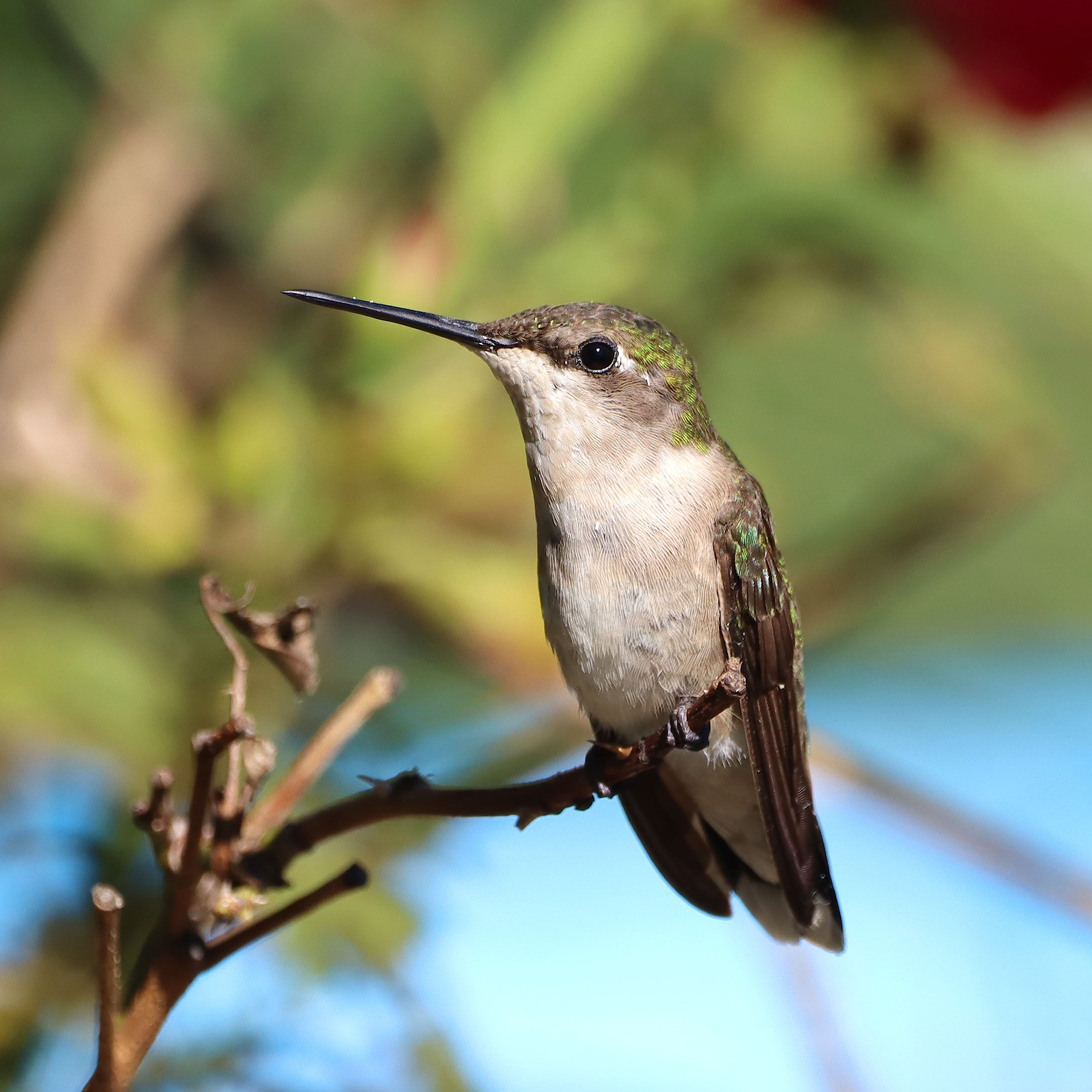
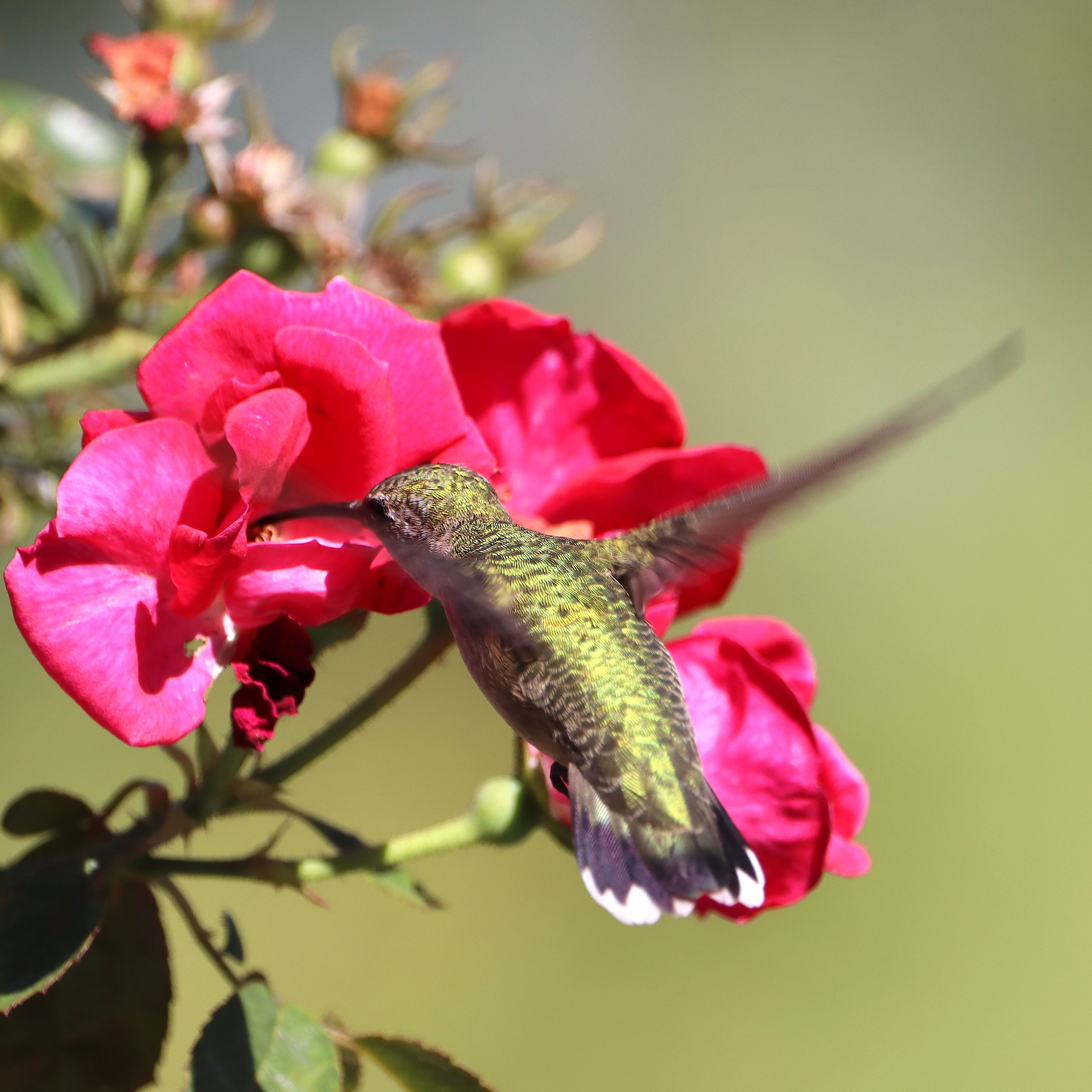
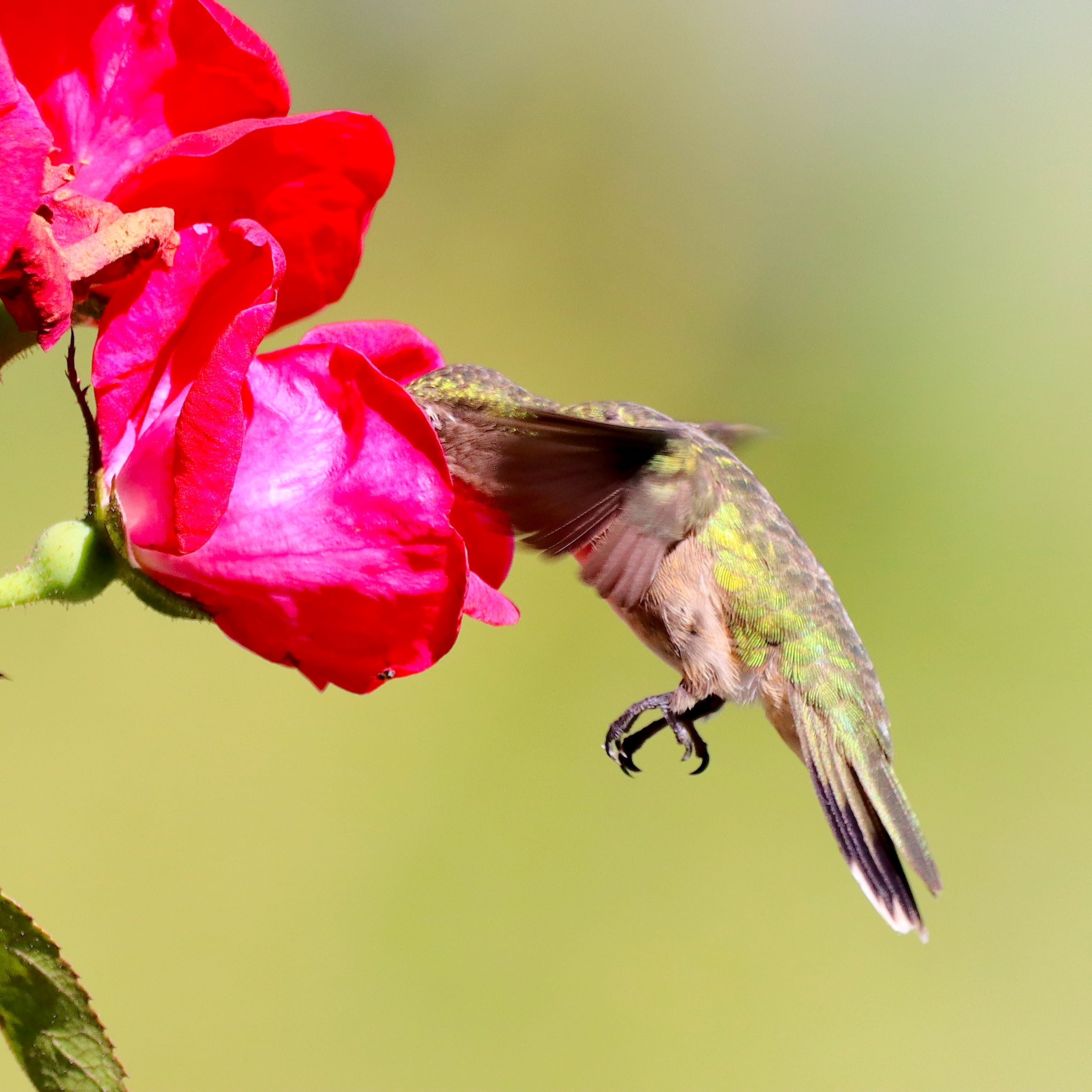
I was able to capture a few decent photos of birds which were feeding on a second cluster of blooms on the rose bush. However, the flowers obscured much of the birds’ bodies. Upon review, I decided that perspective was unique and worth sharing.
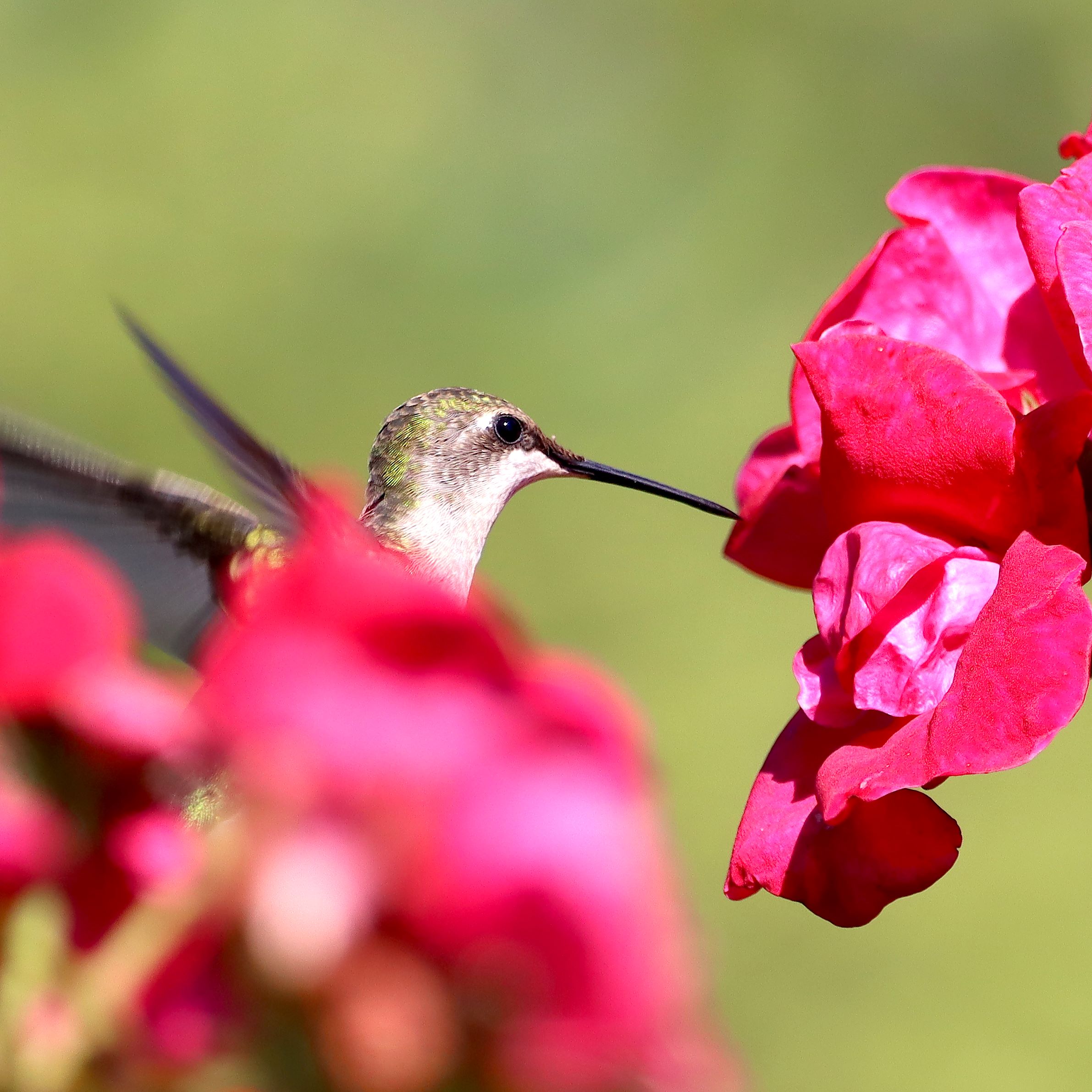
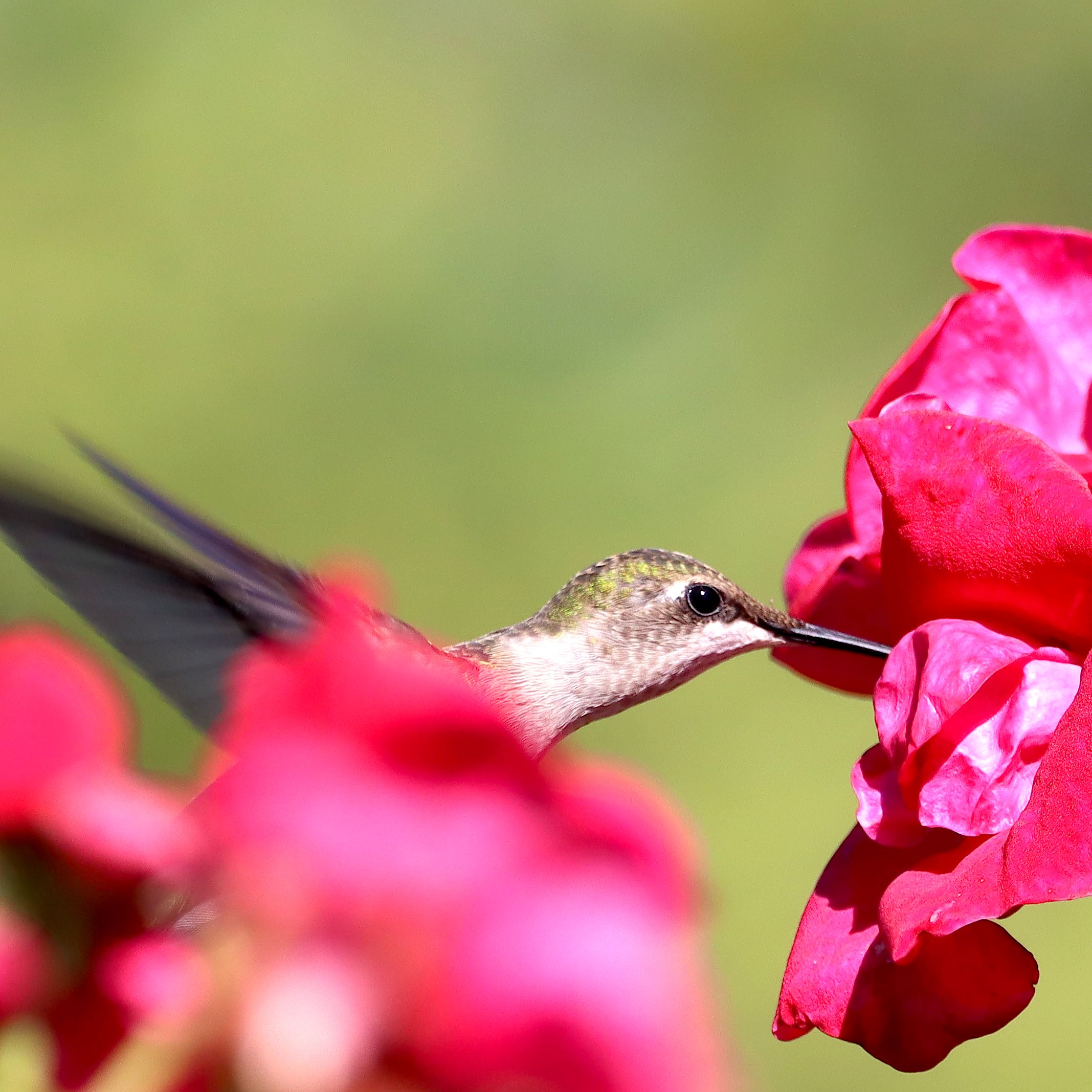
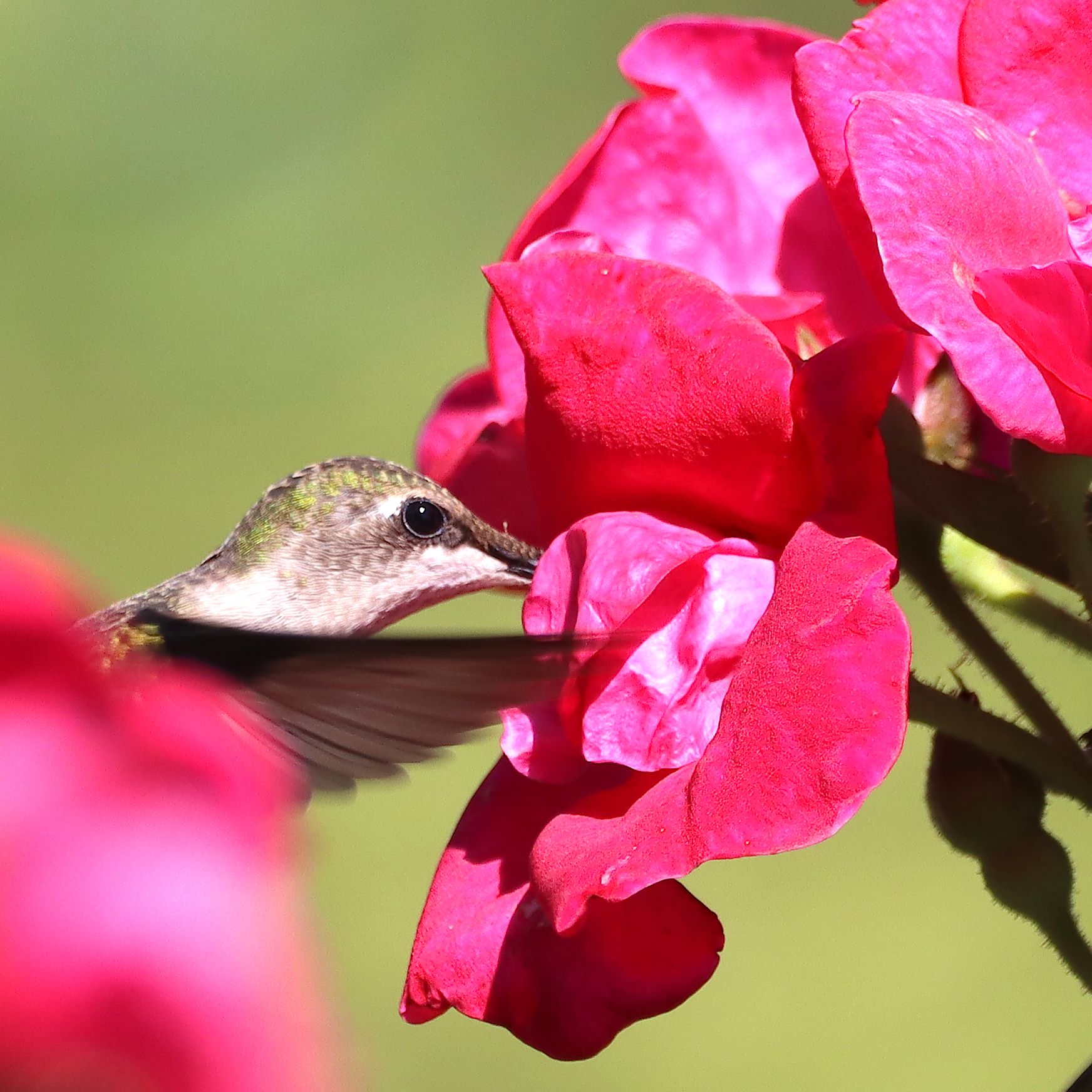
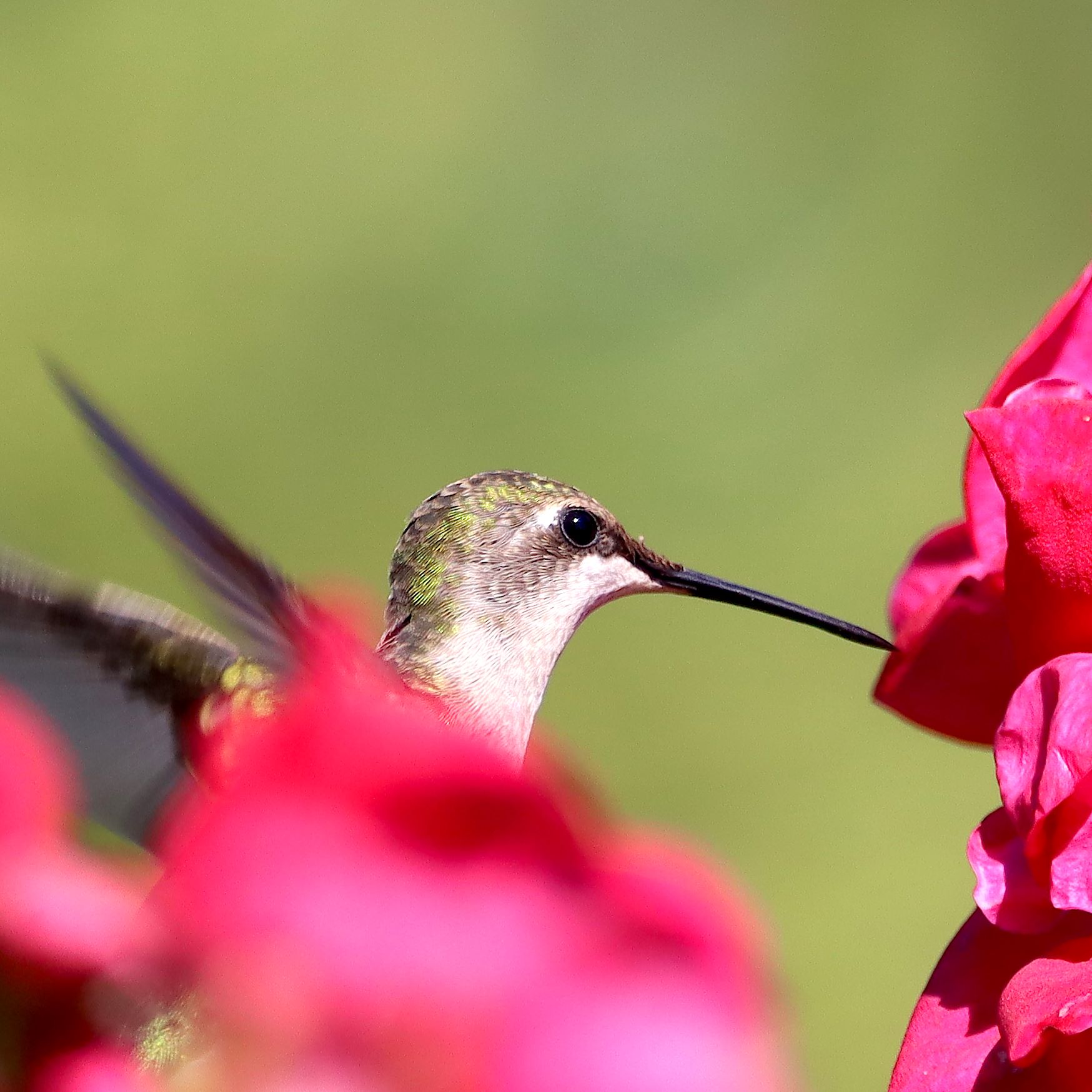
On the day I filmed those images, I was able to count 17 hummingbirds. I suspect there were a few more in the Ornamental Pear Trees where I believe several birds have their nests. The trees are not far from the patio. As I sat filming the birds flitting in and out of the rose bush, many others were buzzing within inches of my head as their drank from the feeders. That was thirteen days ago.
Today, I only spot two or three hummingbirds coming up to the feeders. The rest have left for their winter digs where there will be plenty of warmth and tropical blooms available for their rejuvenation. I wish them well and look forward to the Spring when we, once again, hang a feeder in anticipation of the first arrivals.
I will leave the feeders out for any passers-by that are traveling through our area from their summer homes up north. While it wasn’t by design, the fact that the rose bush in my little patio garden bears lovely, deep red colored flowers may be a welcome sign to those birds, as they fly past on their way south.
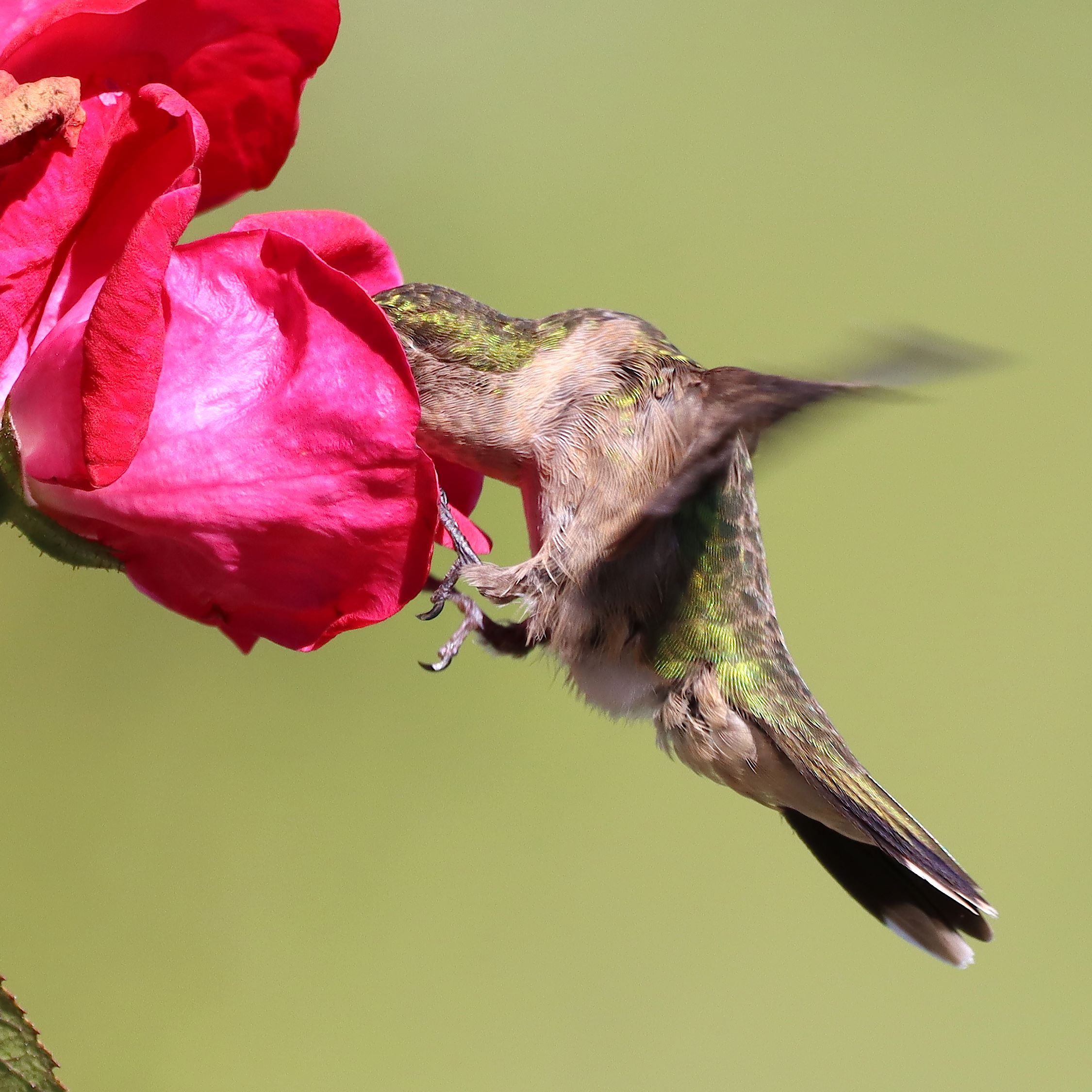
I’m ending with this last photo. It’s my favorite of this series. That’s not because it’s the most perfectly focused or even that it represents the exact reflection of the whole animal. I simply am pleased with how it captures this little bird’s adept capacity to perch on the tender pedal of a rose while contorting it’s tiny body in order to remain in flight while it plunges deeply into the blossom for what is likely a very tiny bit of sweetness. Amazing.