Tammie Rogers
Inspired by Dogs & Nature
Where’s Yo Mama?
Sitting in the golf cart in the near middle of a 20 acre hay field, I was filming a Bluebird couple that appeared to be interested in establishing residency in Box O, near the old water hydrant.
I was enjoying the warm, brilliantly sunny afternoon when out of the corner of my eye, I spotted some movement. It was very close to the ground, off to the north about 30 feet away. Upon better inspection I saw not one, but two, nearly black shapes moving through the grass. Cats. I assumed they were the neighbor’s felines that often cross the road and hunt on our property where they may encounter the nests of Meadowlarks, Song Sparrows, Red-winged Blackbirds or Dickcissels – all species that nest on the ground. Then, they probably devour the eggs or baby chicks. I don’t like those cats. And, well they don’t like me so I can typically scare them off with a chap of my hands or an intimidating shout.
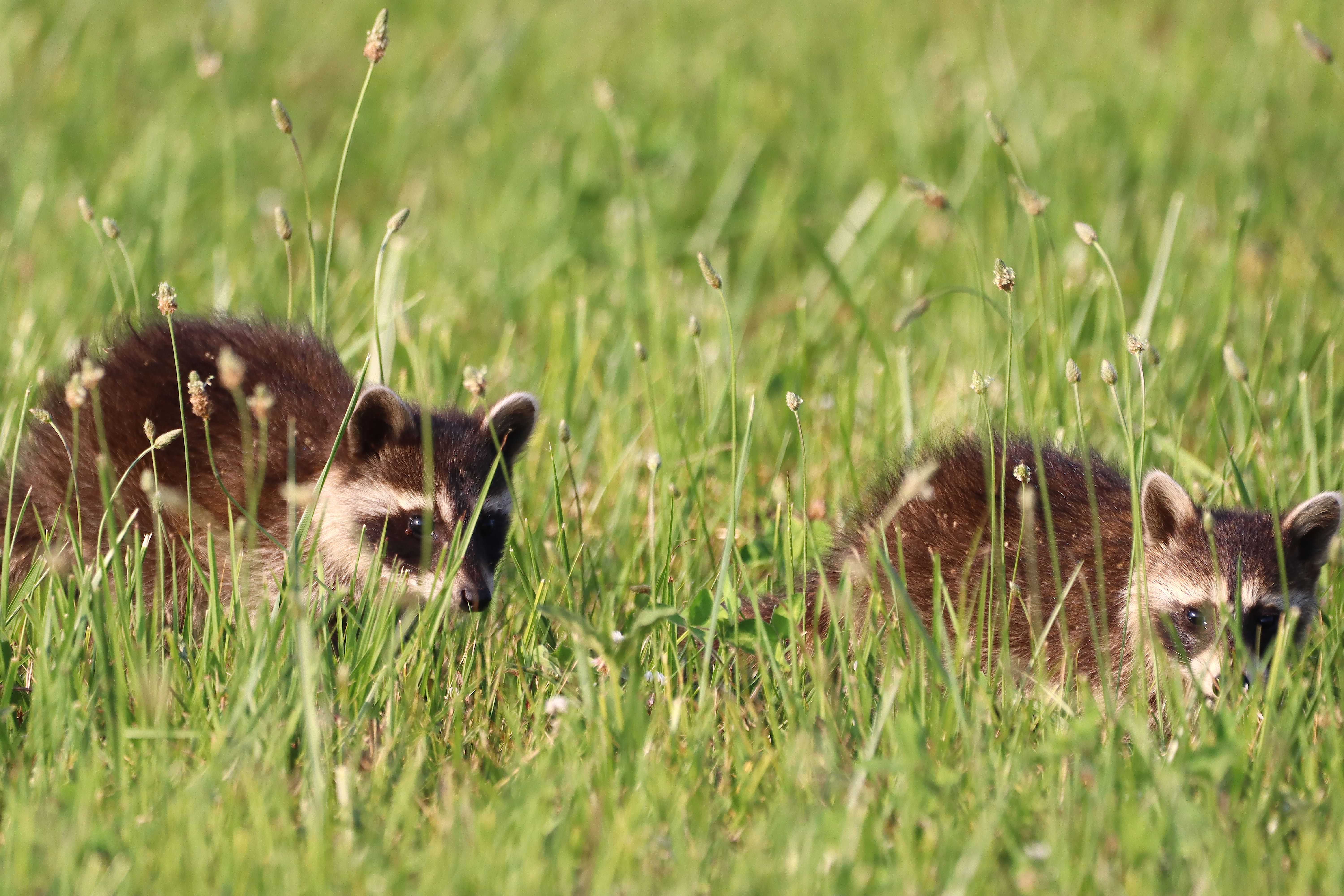
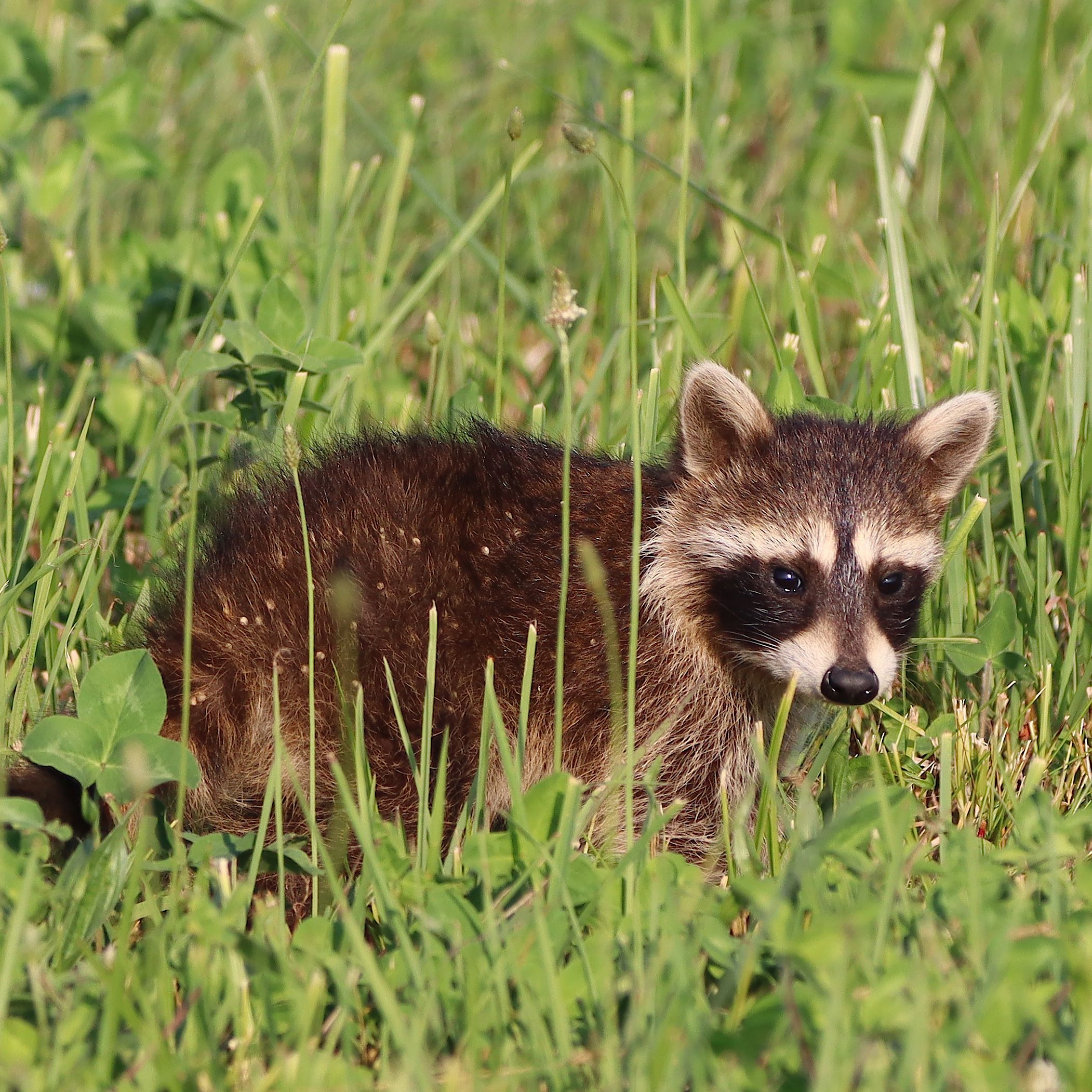
Before I could produce any of those “Go Away!” alarms, I realized the ambling nature of the creatures was not consistent with a cat. Cats don’t amble. Cats stalk. What I was observing was more of a meandering saunter. A moment later I realized that two, quite-young raccoons were moving towards me at a fairly good pace. Noses to the ground, pushing through the grass that in relationship to their size must have felt a bit restrictive at times, they were oblivious to my presence. Of course, I aimed my camera towards them and began shooting.
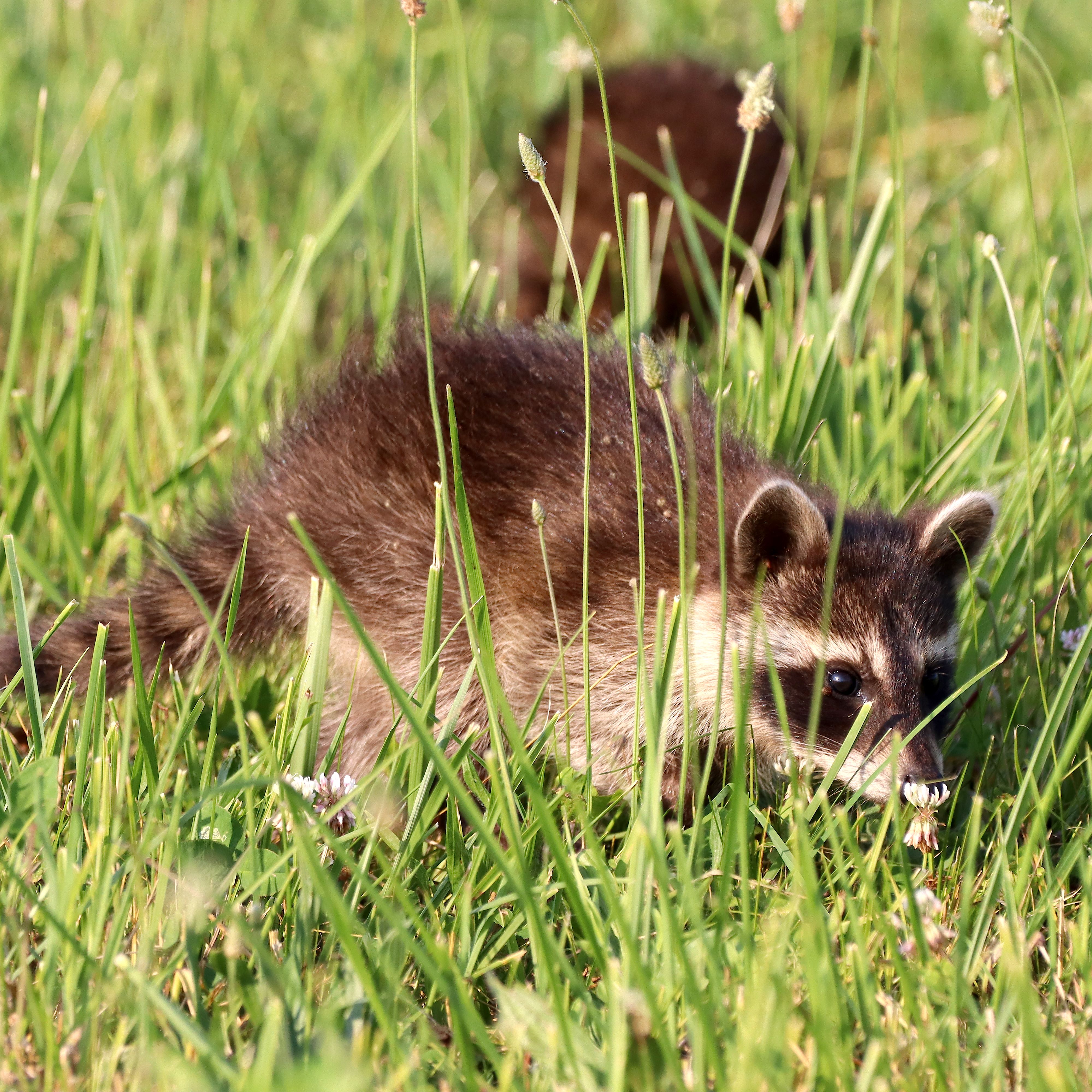
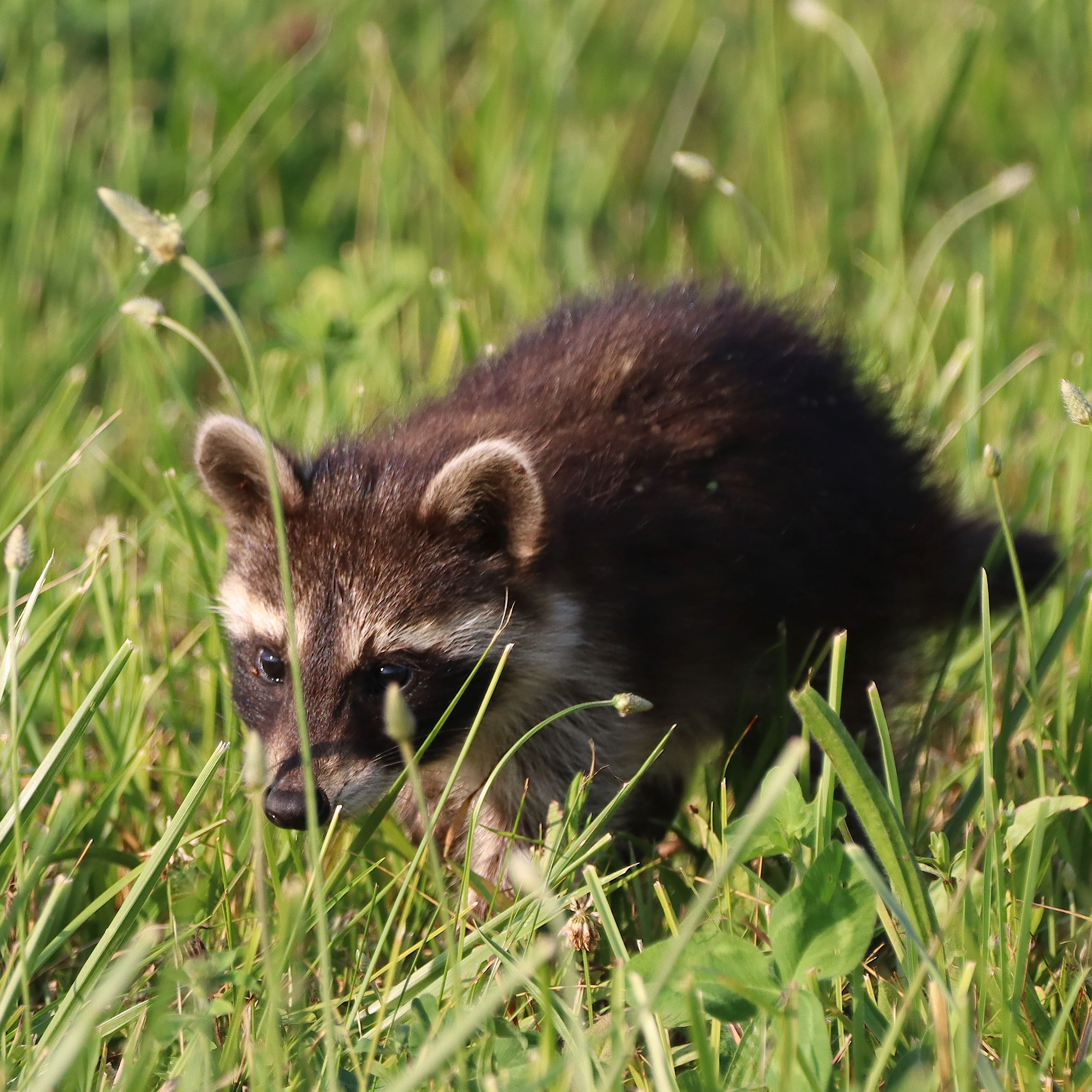
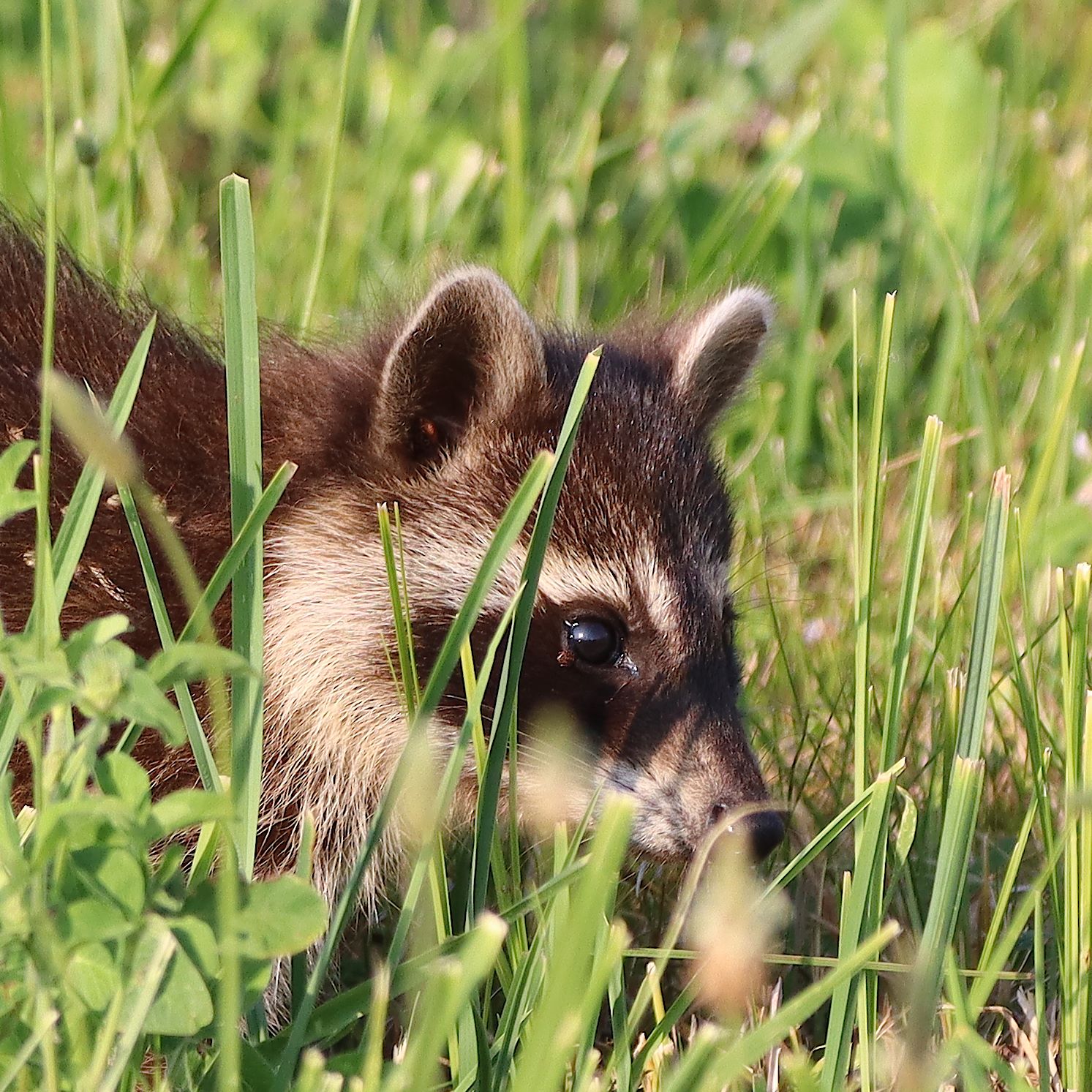
These adorable little hoodlums seemed wholly out of place. My first thought, as they strolled within fifteen feet of me was, “where’s your mother?” Clearly, they still required supervision and protection. They never acknowledged my presence even when I made a few clicks and squeaks in hopes of having them look towards me – an instinctive sound I make when filming puppies. There I was, this ominous, potentially dangerous predator, and these babes failed to recognize the peril in which they may have been. My second thought was, “these little ones would make a great meal for a hungry hawk.” That is not to suggest I wanted them to meet such a fate – only that their innocence could likely get them killed, especially since hawks (like most birds at this time of year) are scrambling to find sufficient food to feed their youngsters.
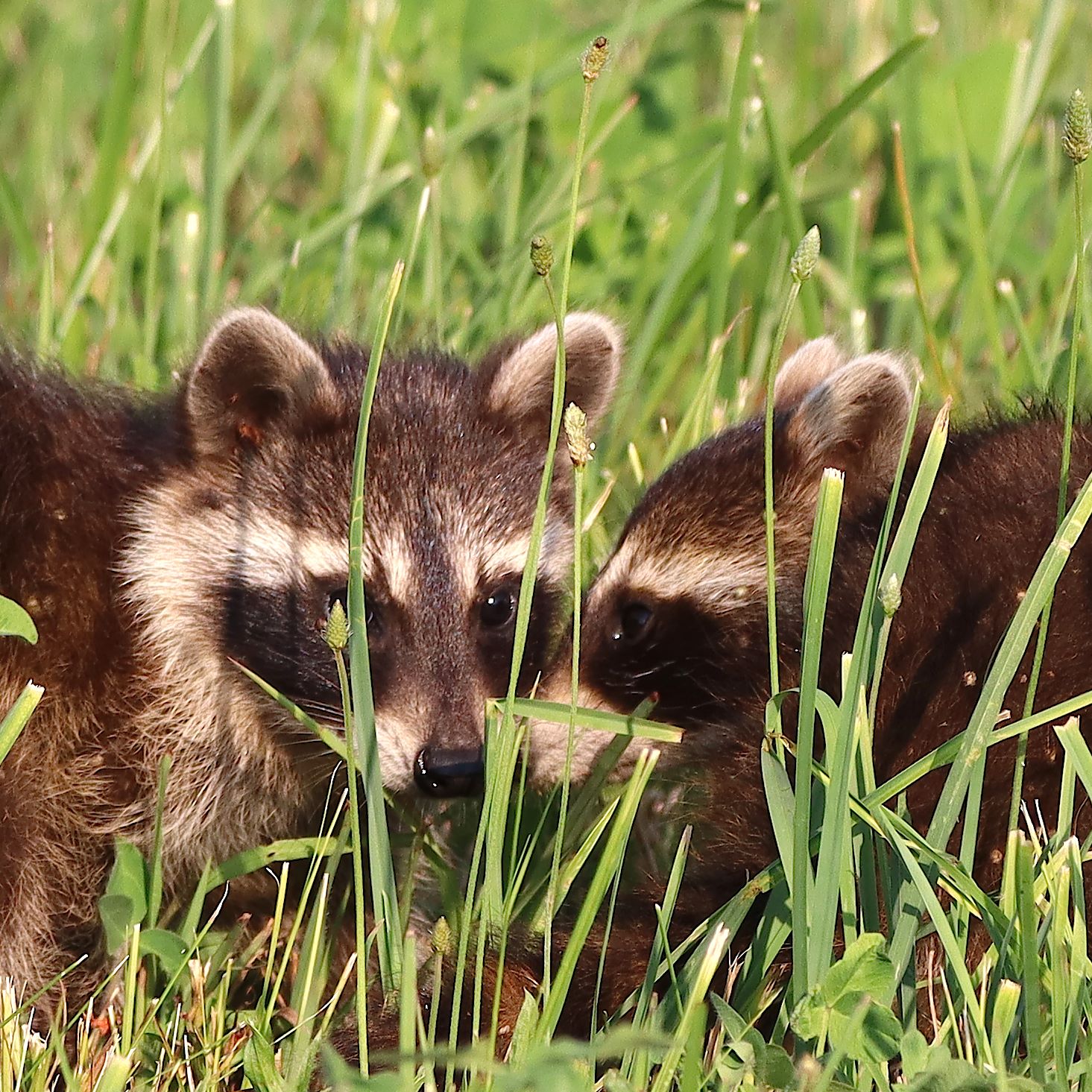
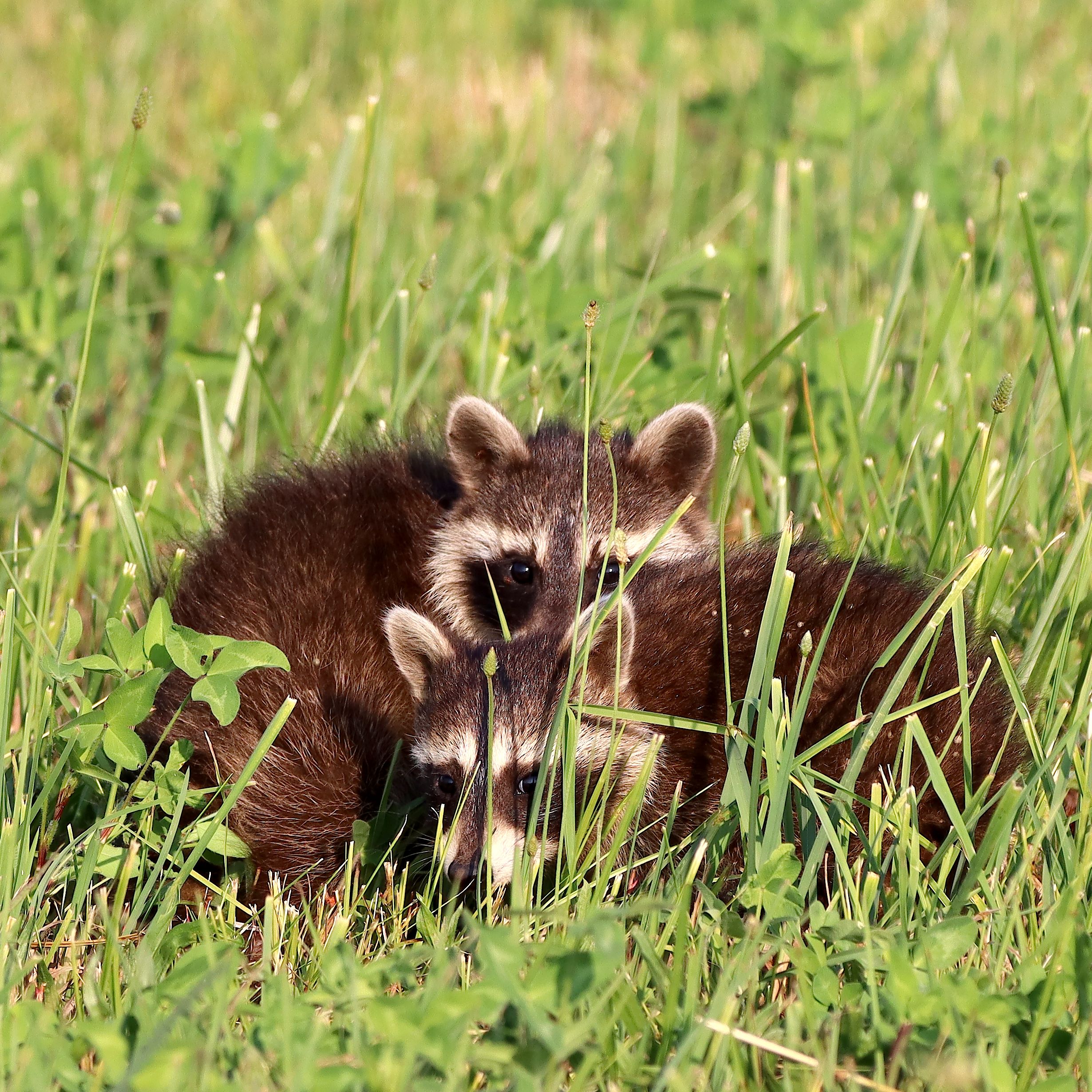
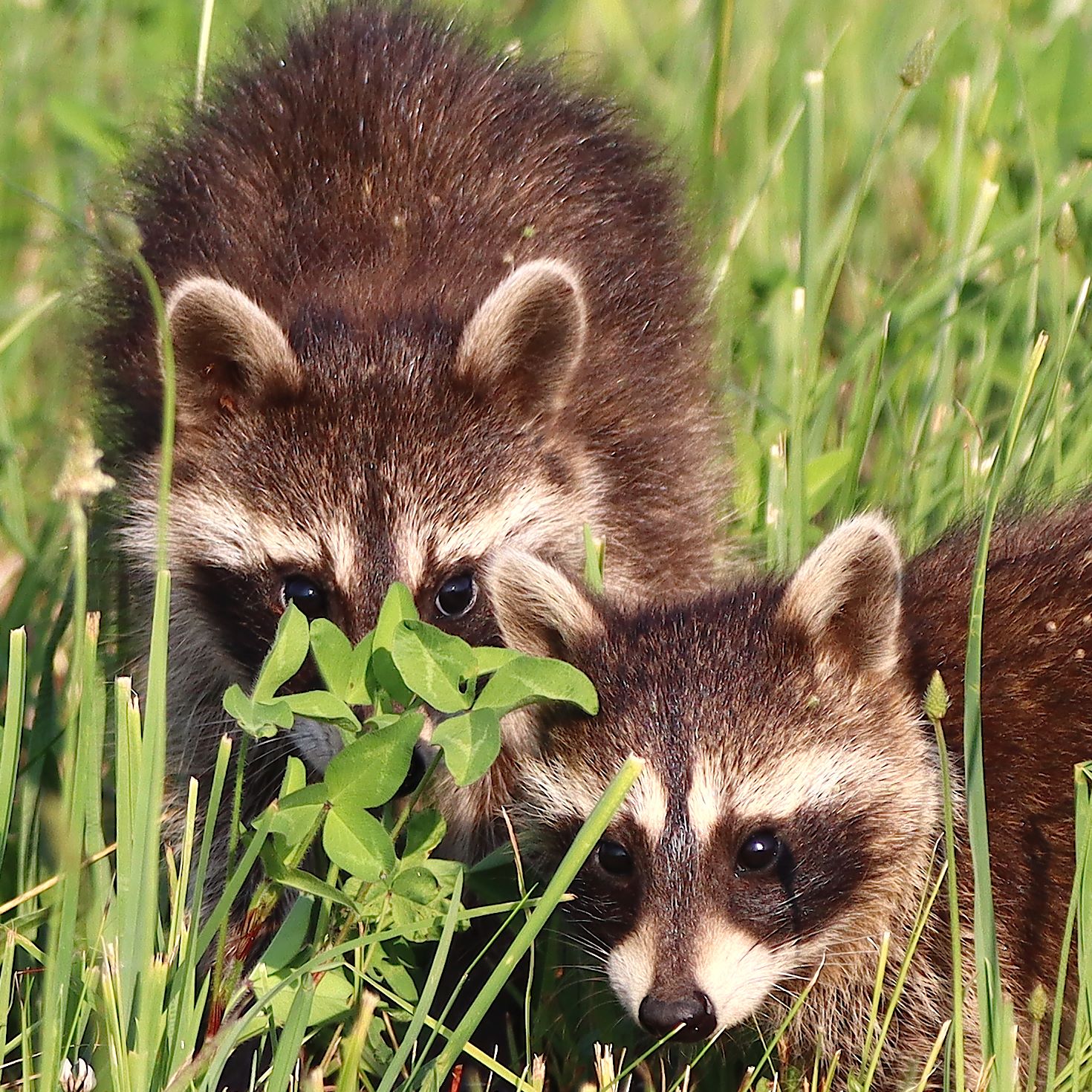
While the above few photos may appear that these little ones had stopped moving and were gazing my way, I never felt they saw me – which was so interesting that it became quite memorable. To my human brain, their movements actually suggested they didn’t know where to go next. Consequently, at times the “leader” (which was merely the kit in the front of their little parade) would stop and turn back to his sibling for what looked to me to be assurance that they were on the correct trajectory! Then, the “leadership” would swap to the other kit, and off they would move, again.
My memory of the four minute long event was that there was a smaller kit which was originally following his larger sibling and then, after a little pow-wow, the smaller one took the helm and lead them away and to the south where they slipped through the hedgerow and out of my sight. When I downloaded the images and got a better view, I was able to substantiate that because the larger kit had a tick embedded in it’s lower, right eyelid, while his smaller sibling did not.
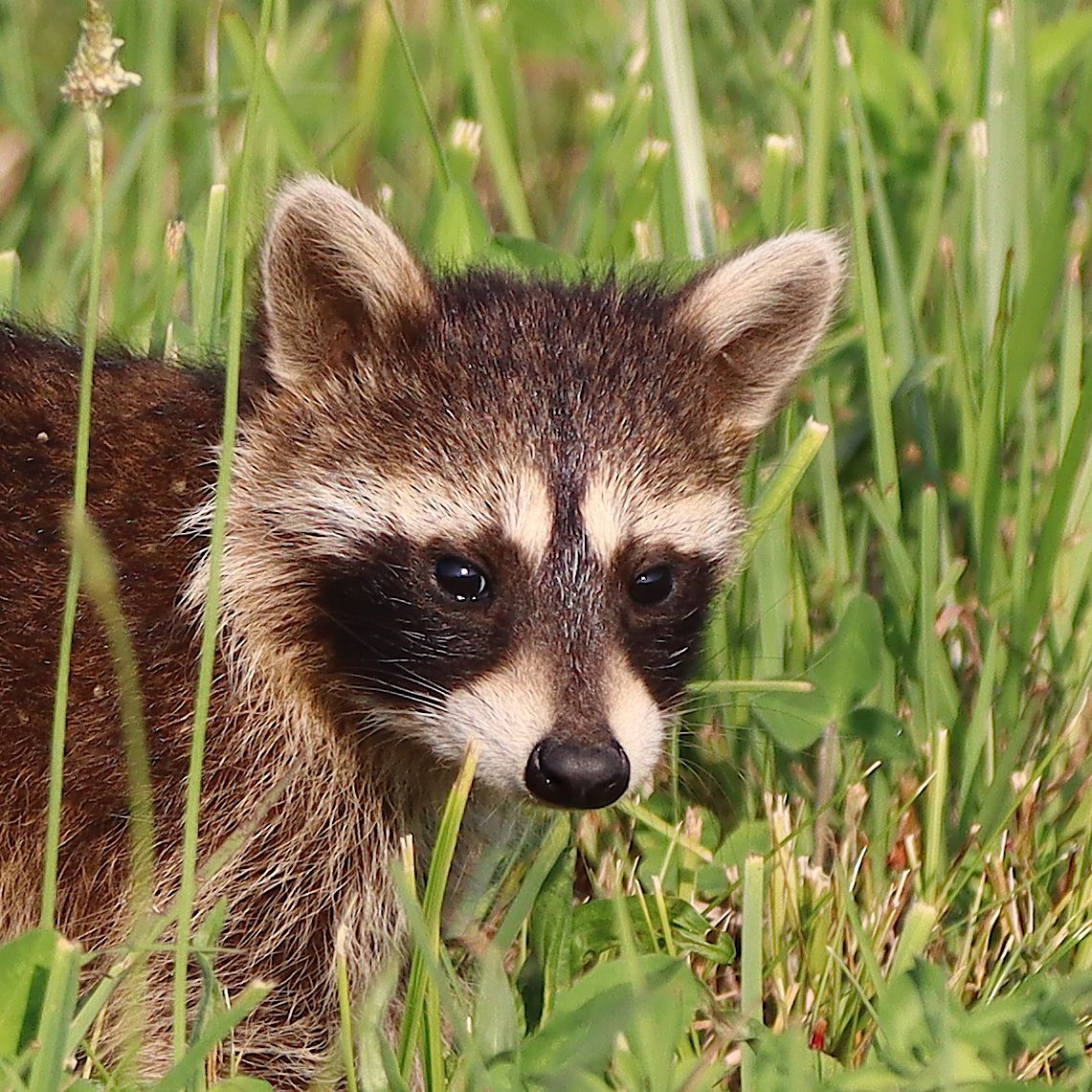
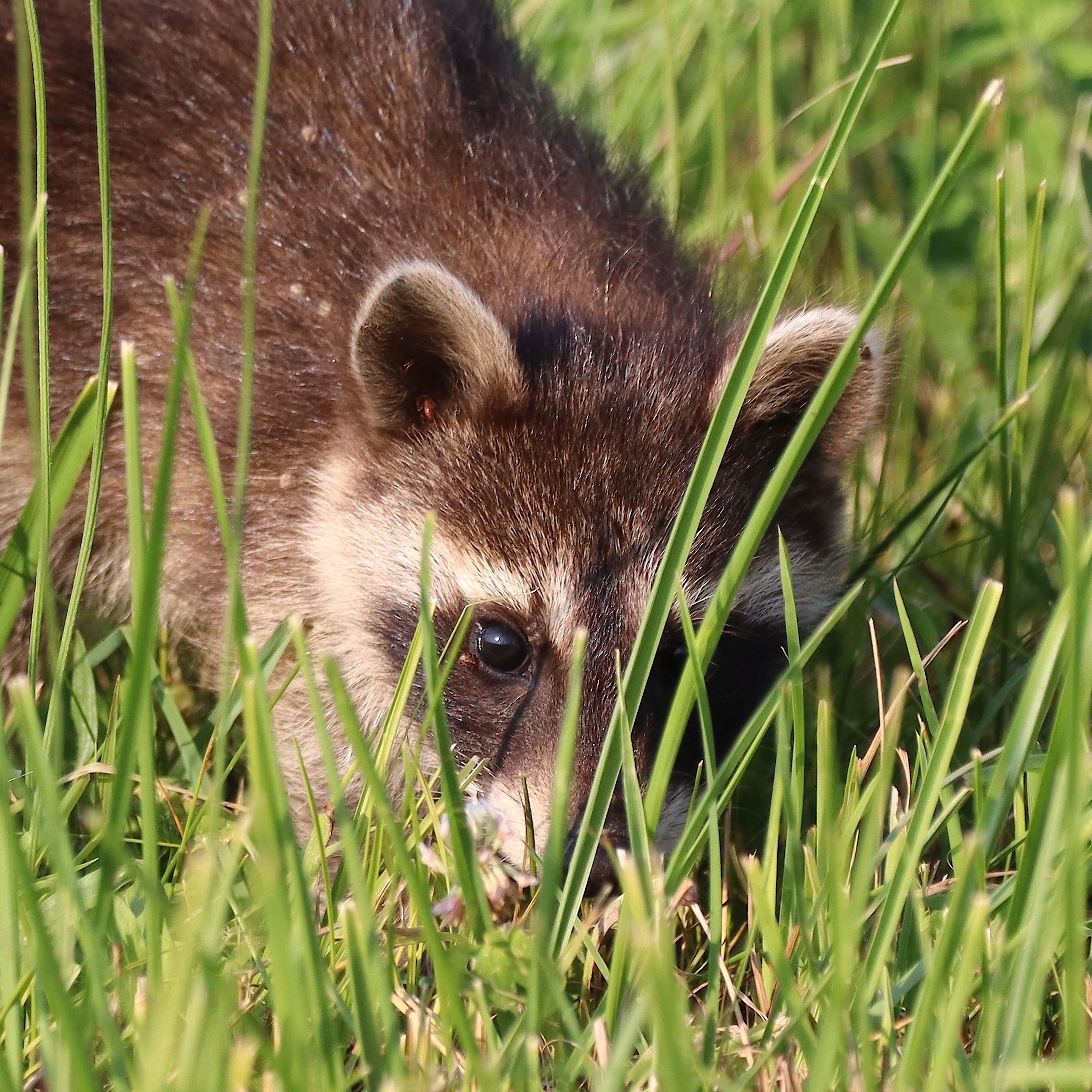
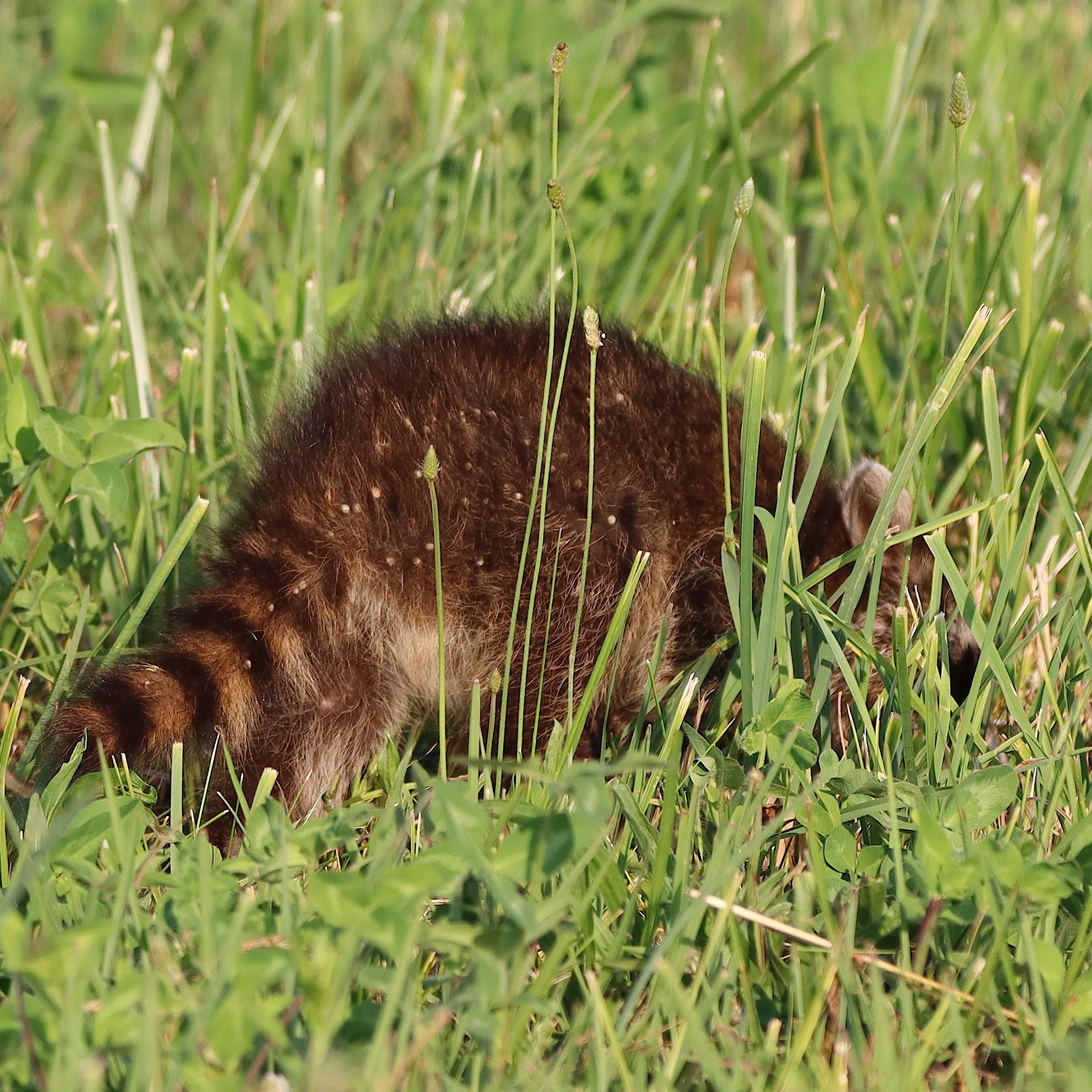
Another feature that I discovered upon closer inspection of the images was the outrageous number of ticks that these little animals had all over their bodies. Tick. Tick. Tick. It can be a ticking time bomb. That level of infestation on such little kits can cause anemia which could kill them before a hawk ever spotted them. Poor babies.
I wish them well… and if they make it to adulthood, I hope they respect our predator baffles that we have installed on the posts of our birdhouse posts!

