Tammie Rogers
Inspired by Dogs & Nature
The Charming House Finch
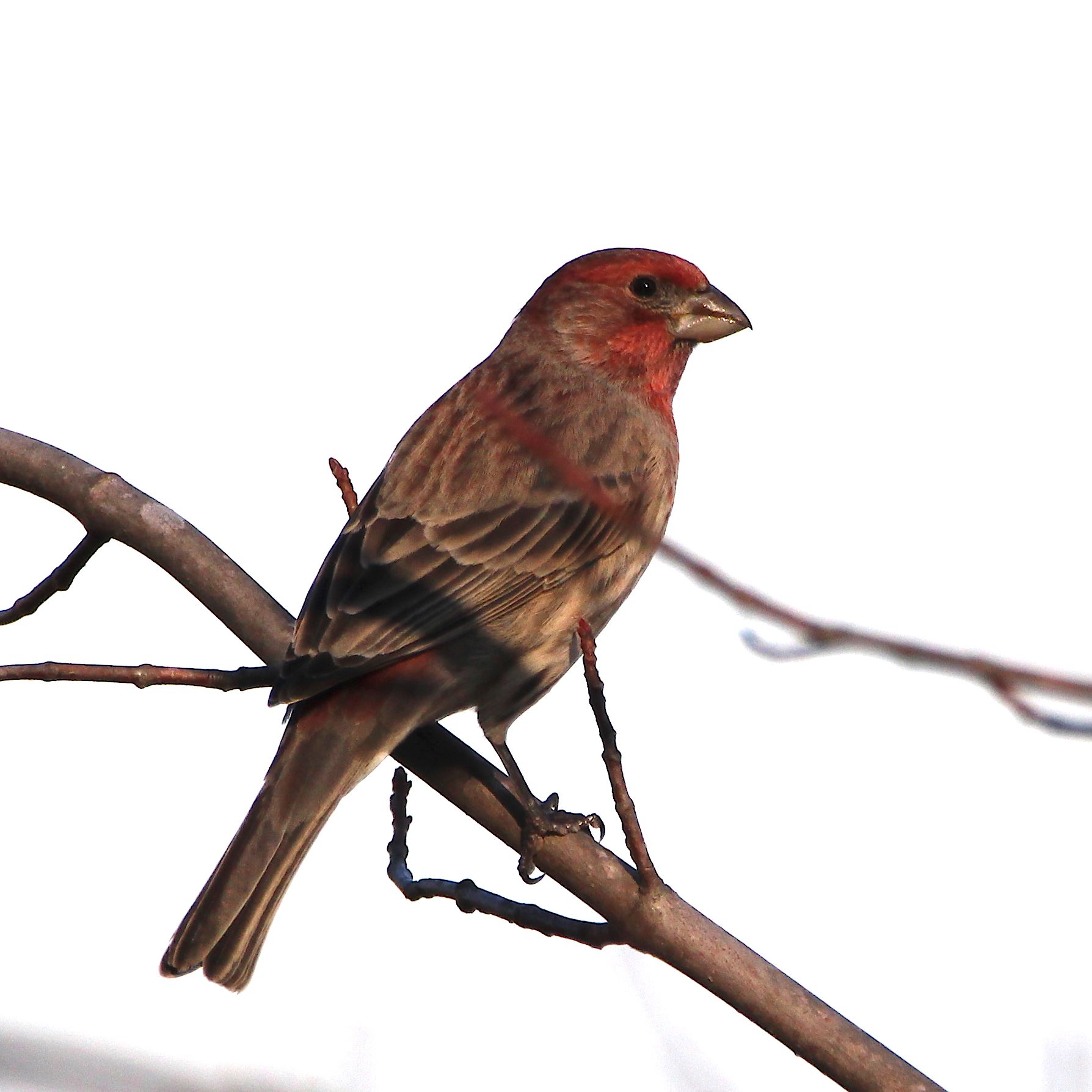
This species is a year round resident here in Illinois. I often see them in pairs during both the breeding and non-breeding (winter) season. I find that an endearing quality.
Interestingly, they are not a native species to the Eastern USA (East of the Mississippi), but rather were probably intentionally shipped from the West Coast as pets. Some escaped, and quickly colonized in Long Island and within a few years were spreading across the entire eastern USA.
Unlike the the European Starling and House Sparrow, House Finches have been able to escape the scorn of the birding community, and the “normal folks” who put out seed to draw in wild birds, most probably love seeing them at their feeders and know nothing of their past. They are, after all, not only adorable but the males are strikingly handsome with their brilliant red coloration.
It can be easy to tell individual male birds apart from each other, as the amount and placement of the red is unique to each bird. Some of that is due to age, where the juveniles are born without the red coloring and it comes in over time in the first year.
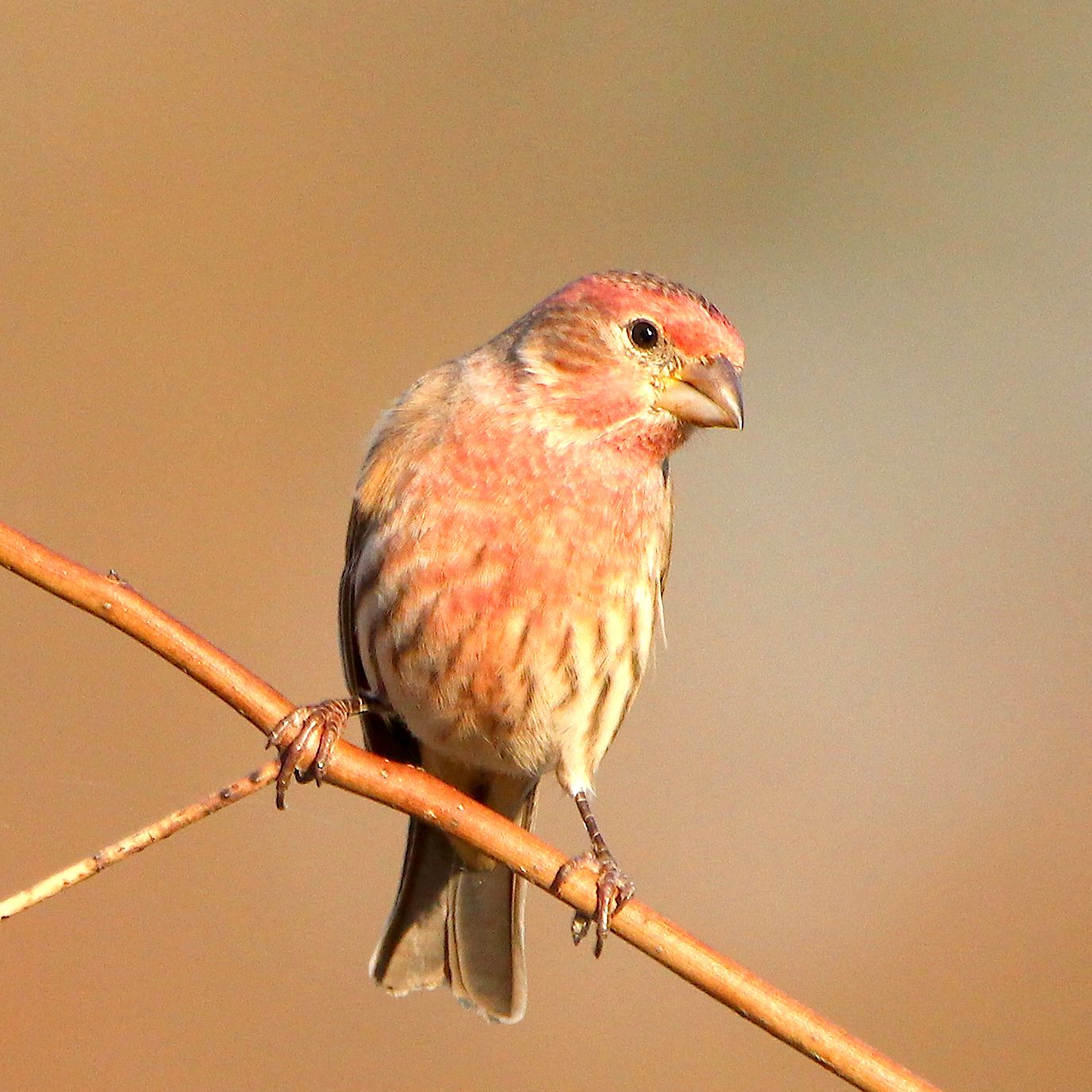
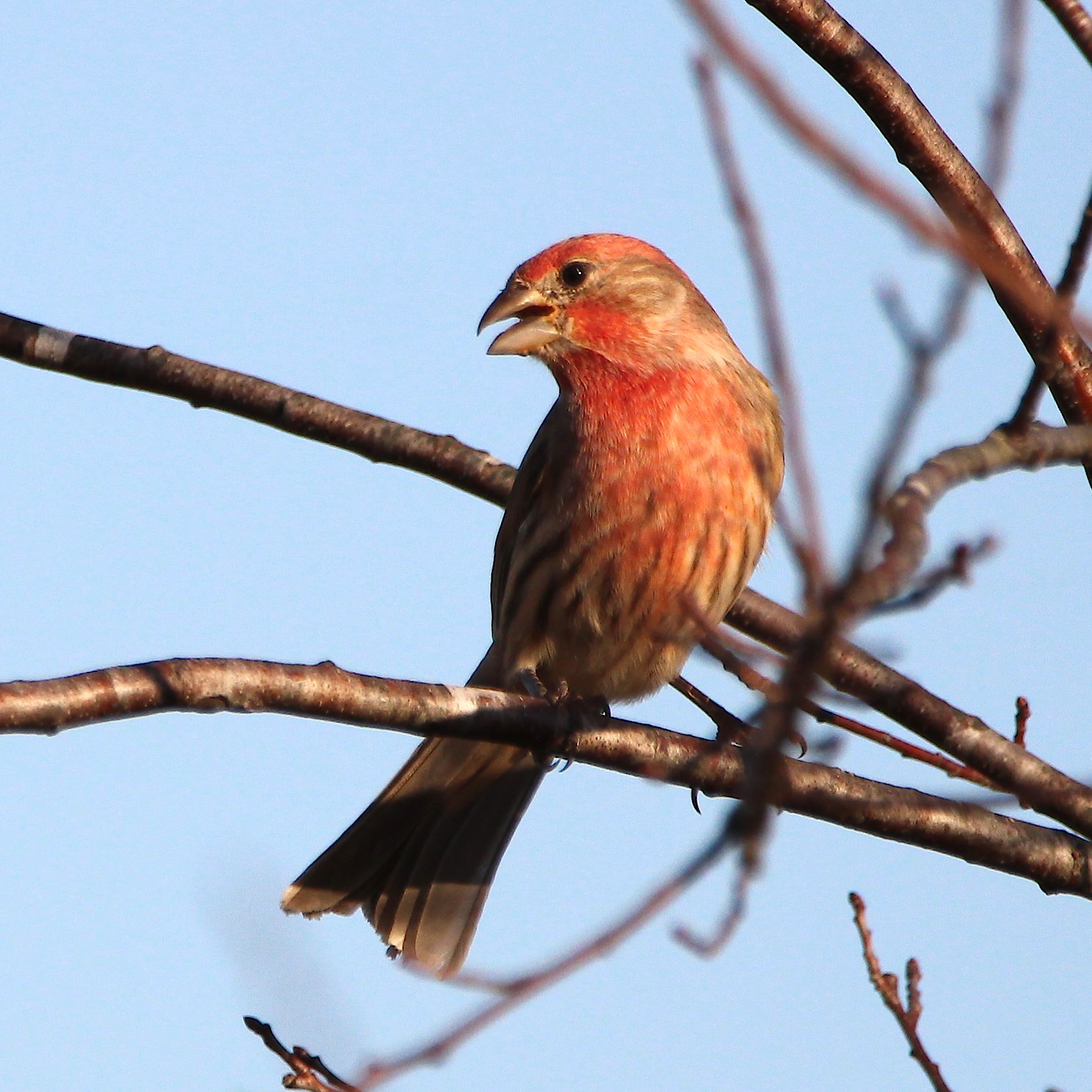
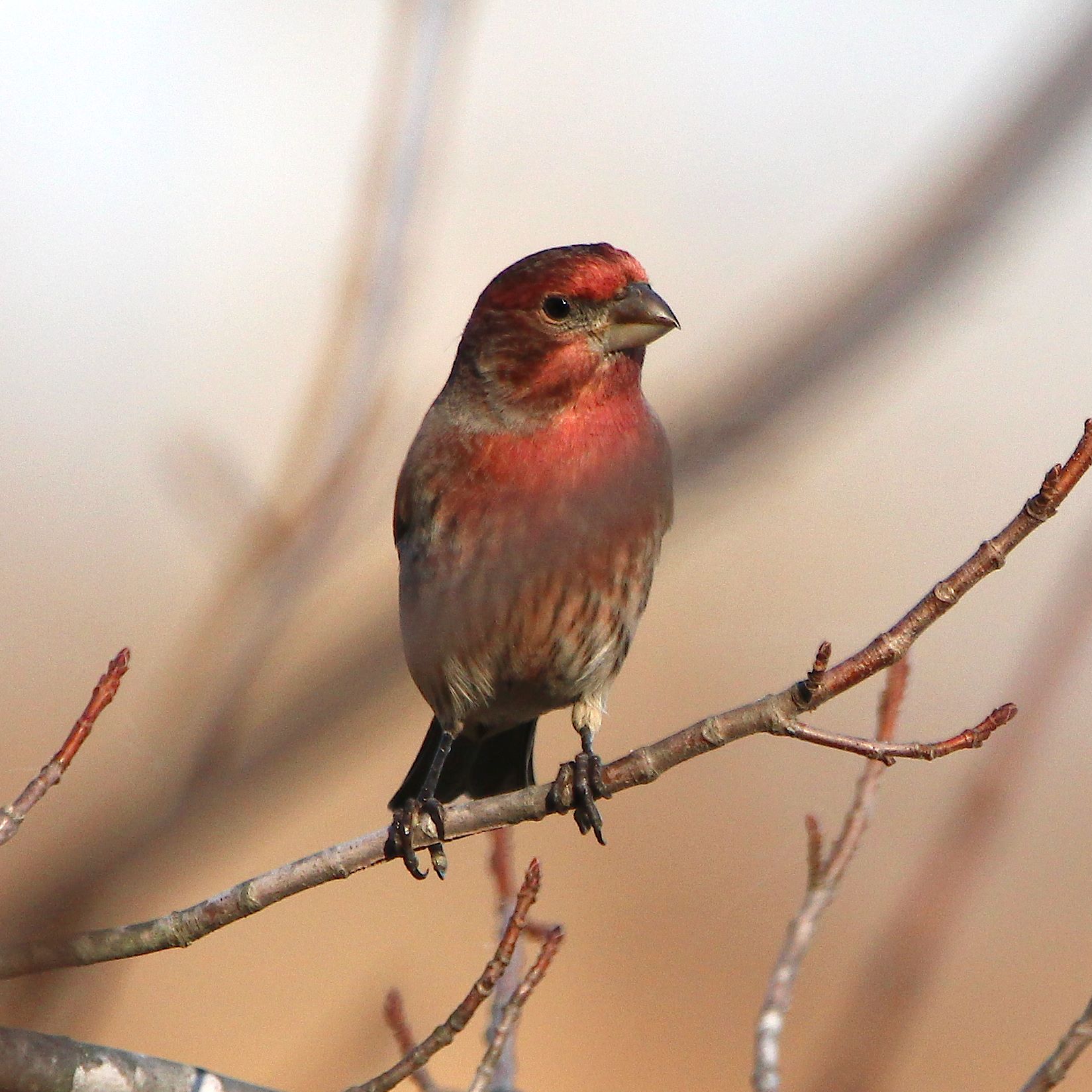
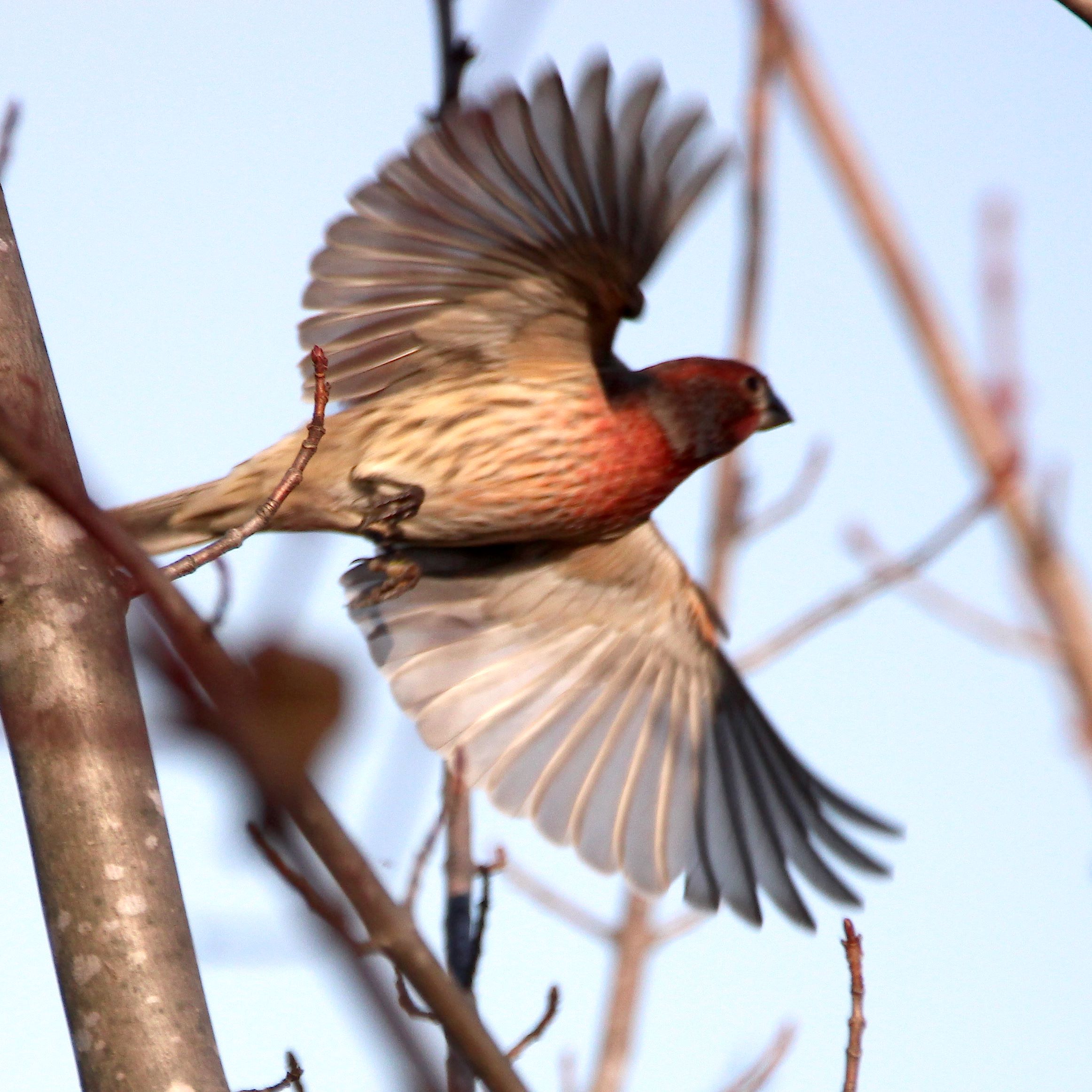
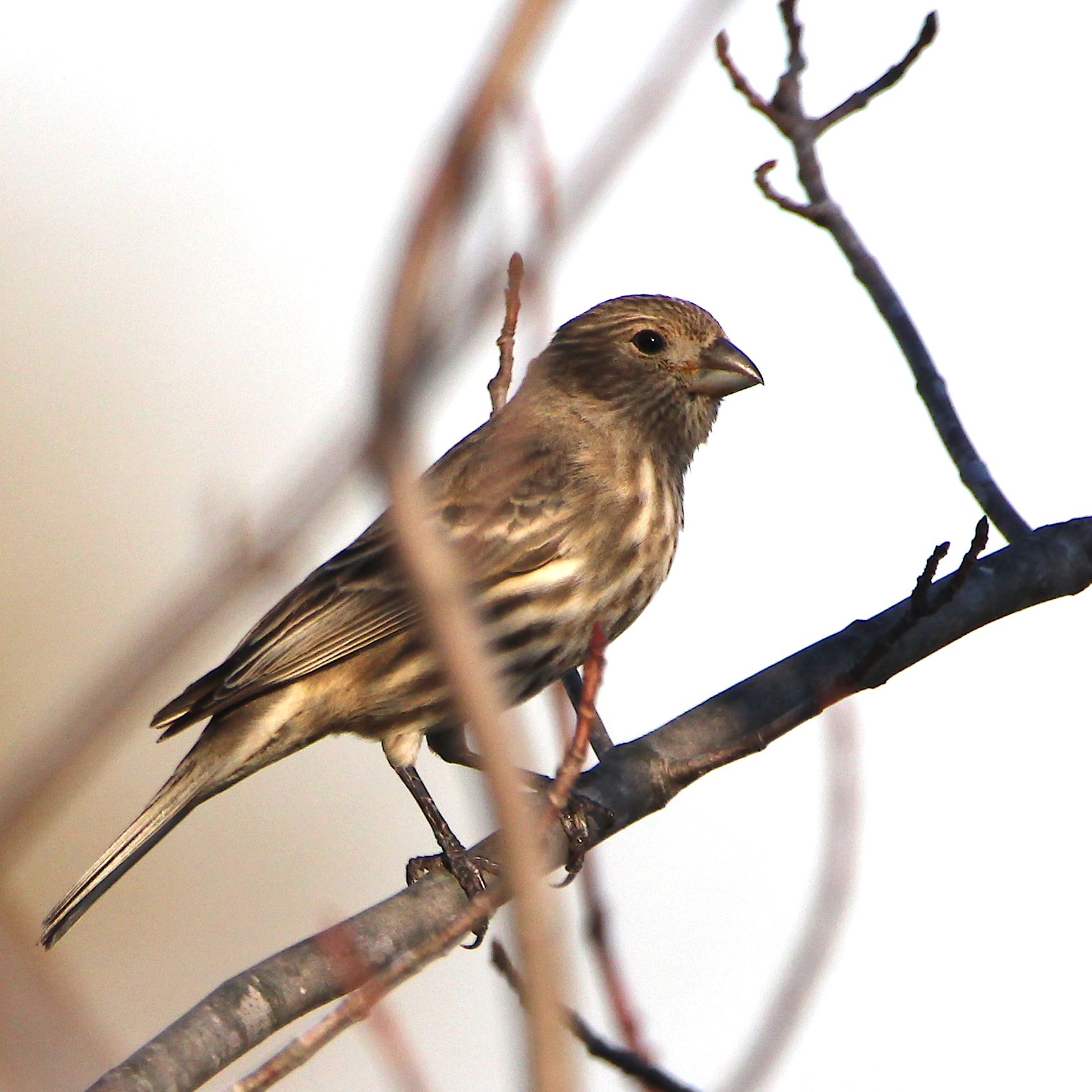
I have read that the success of the House Finch invasion has had a negative impact on the Purple Finch population. AllAboutBirds posts: One study of finch behavior found that Purple Finches lost out to House Finches more than 95% of the times the two birds encountered each other. Spotting a Purple Finch is considered a rare find in many places, including where I live. I’ve only seen them a few times. But, they only spend the winter months in my area, while I see these House Finches throughout the year.
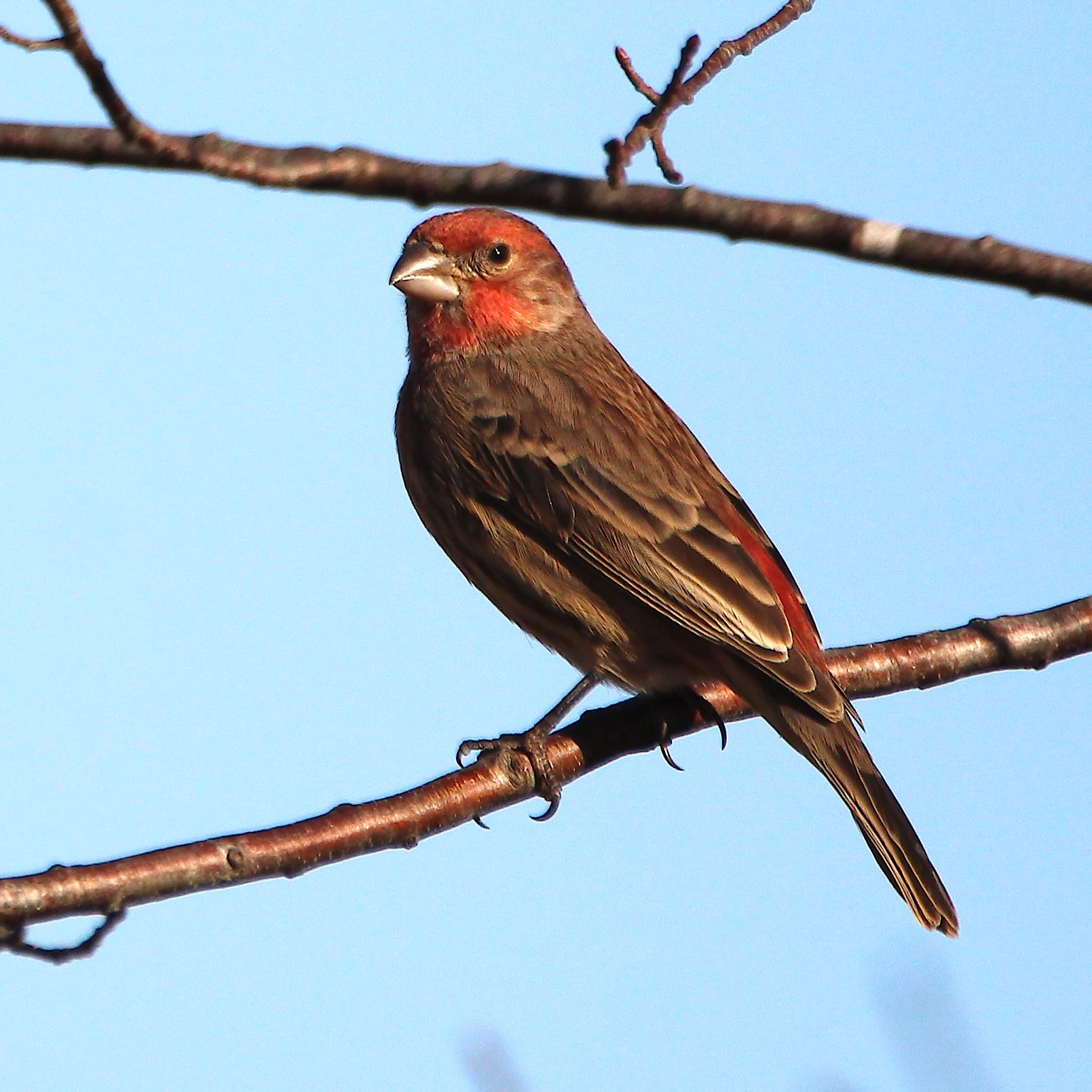
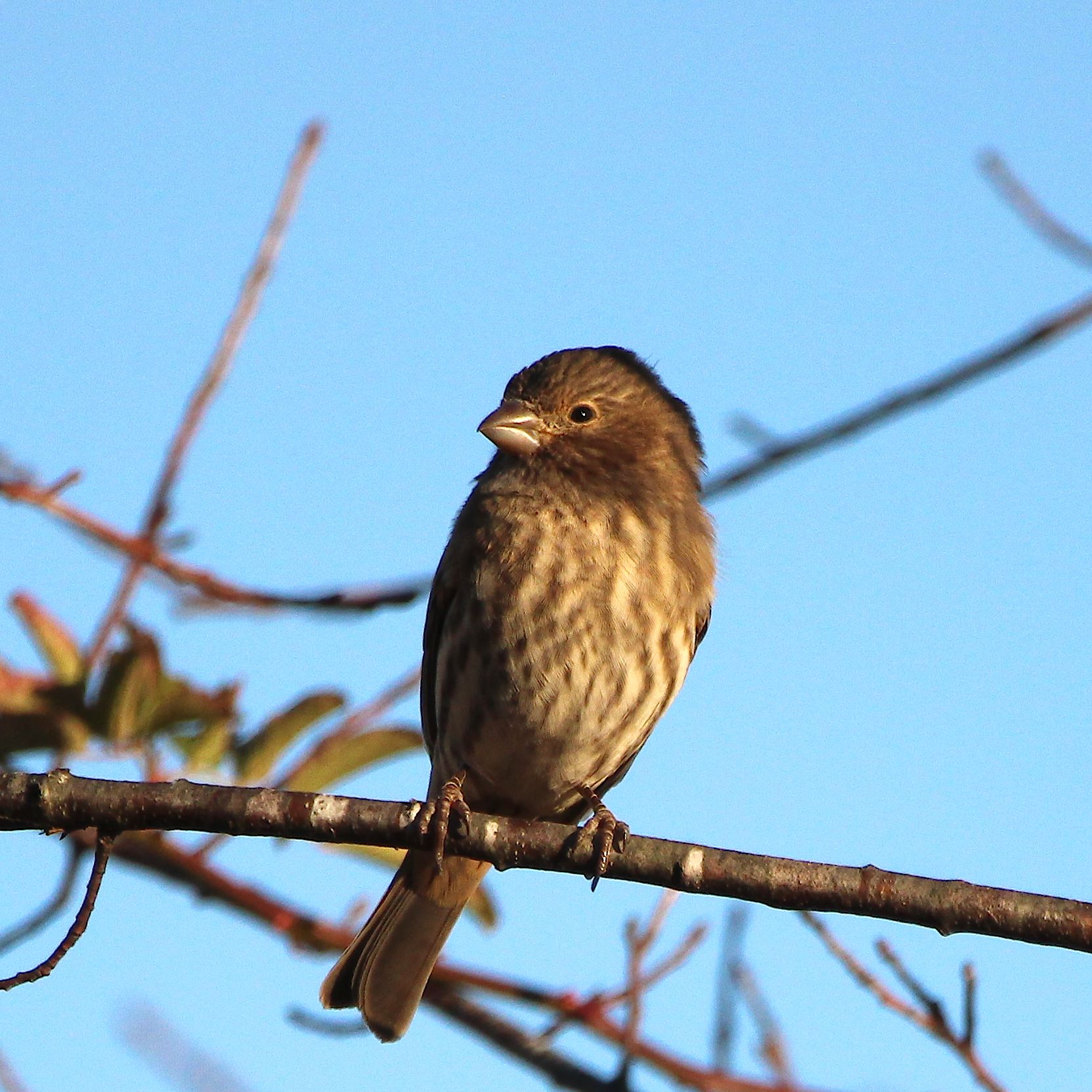
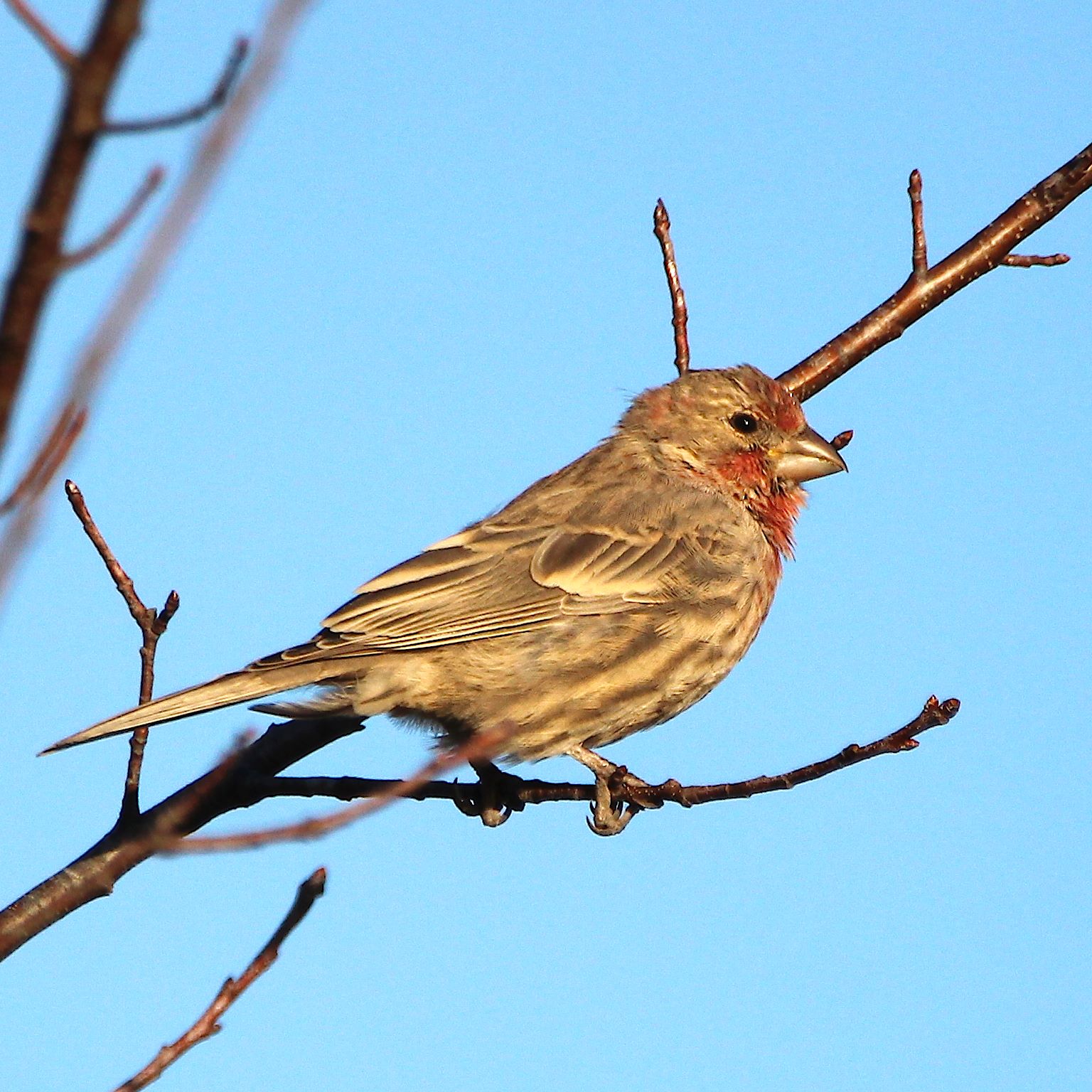
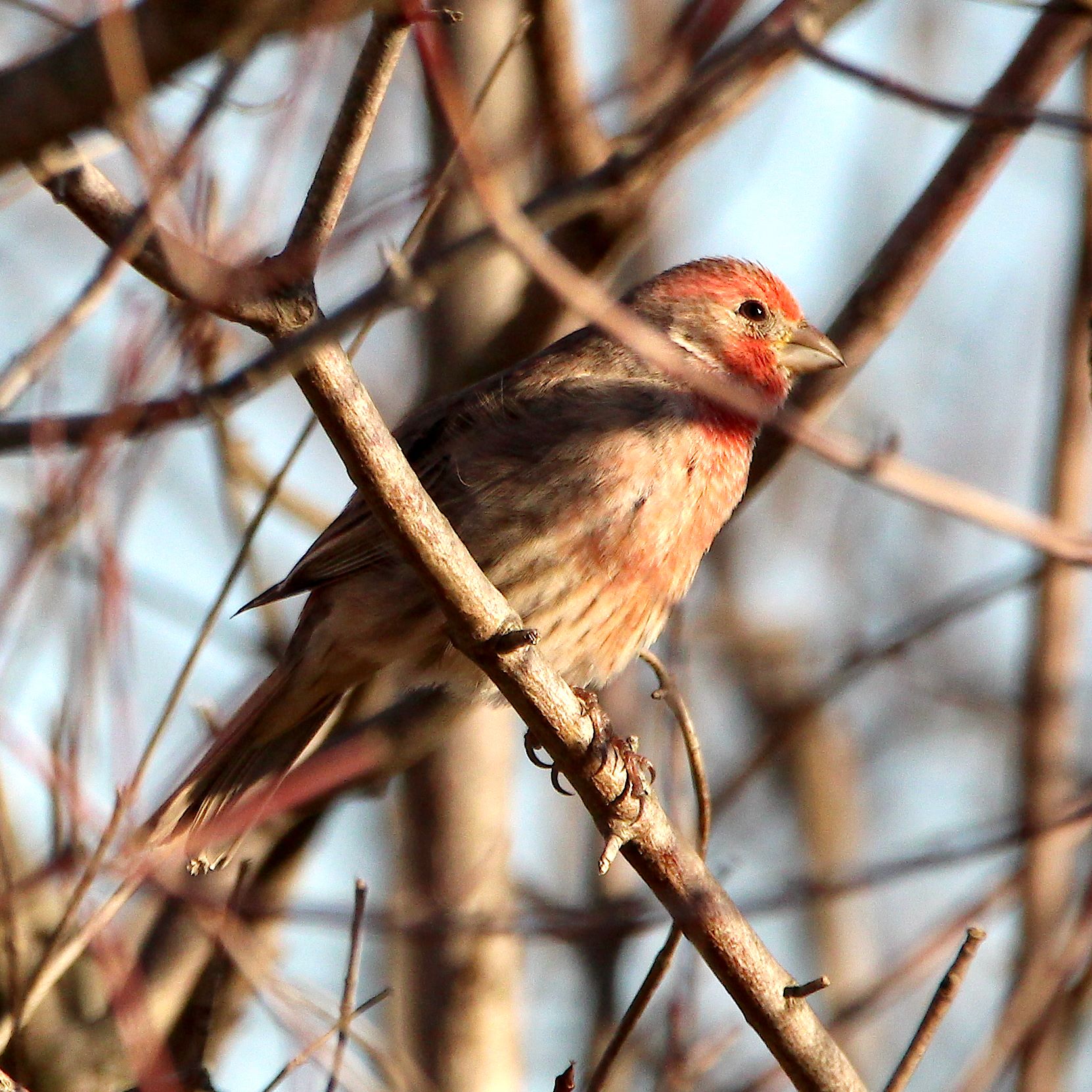
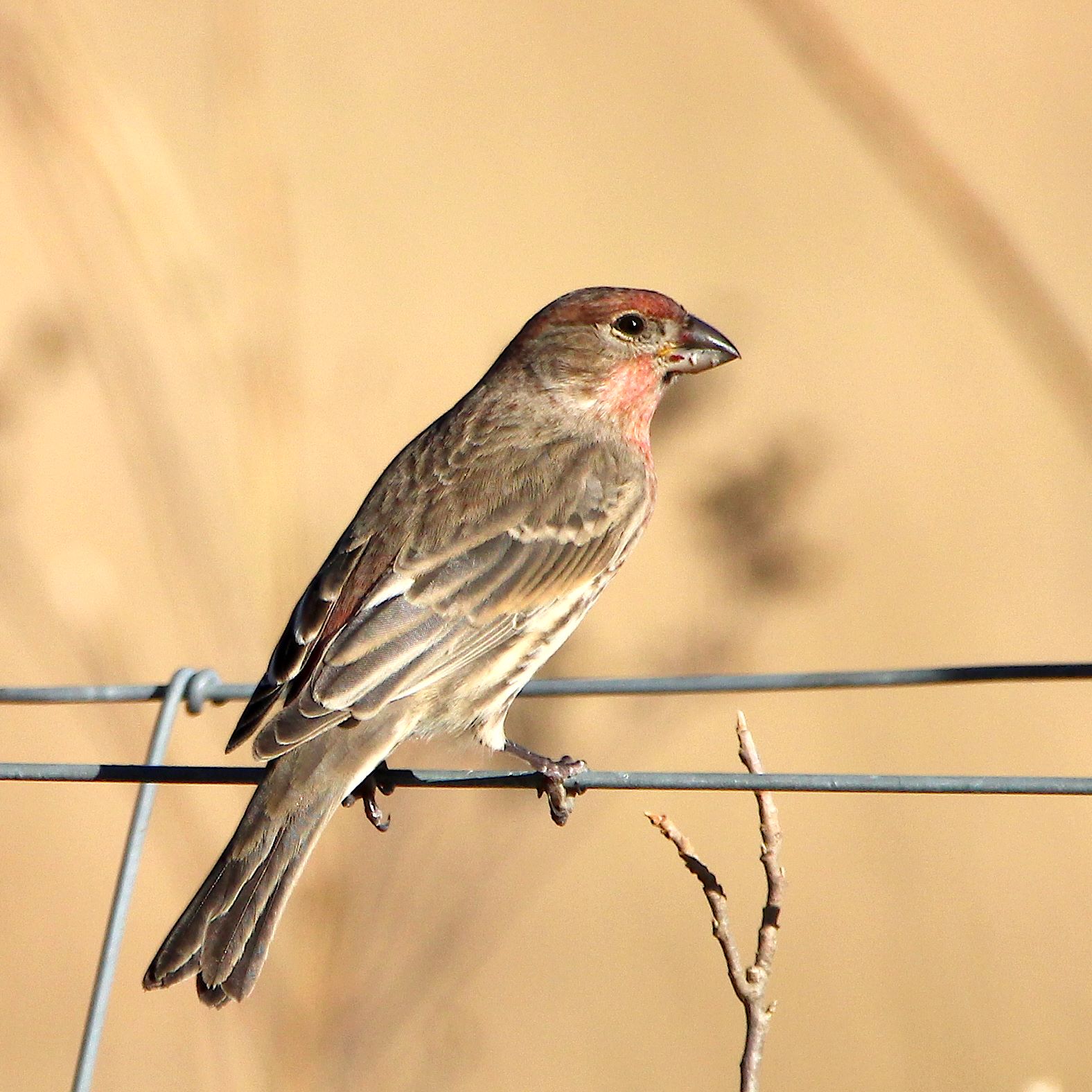
Even with that somewhat sorted past, I love seeing these cuties.


House Finches seem like they are trying to get back home by spreading westward, their home was on the east side of the Cascade Mountains. A dealer caught some and was selling them as Hollywood Finches. The state shut him down and he released the flock. We used to have a flock of House Finches but diseases took them out. We have 2 pairs left. They nest in wreaths and hanging houseplants in this neighborhood. Which can be upsetting as they do not remove the fecal matter of the young as most birds do remove them. The nest gets pretty disgusting.
Dear Tammie Rogers, my family wishes to tell you we miss your wonderful photos and stories about your lovely farm and all that goes on with it and your observations. With all you do in life, we donât know how you have the time to send out all the photos and stories to all of us. We hope that the holidays will be good to you and yours, Suzanne Hoyne and family.
>
Dear Suzanne, Thank you so much for such a kind note of “checking in.” I truly appreciate it. After a couple of weeks of bad weather which kept me indoors during an increase in “real” work for a spell, I came down with respiratory virus for the past 10 days and have been completely down for the count. Today is the first day I’m sitting at my computer rather than just getting up and then laying back down on the couch for the day. I’m hoping to look back on the images of birds I took just before everything “blog-worthy” seemed to come to a halt and see what I might add a few weeks late. Today, we have wind gusts up to 32 mph and cold temps due to that wind-chill and I’m still having bouts of coughing, so I will hopefully get back to normal in a few days. Your note had a wonderful impact on me – knowing someone is out there hoping to see the photos I love to share here.