Tammie Rogers
Inspired by Dogs & Nature
Flit – Flit
Let’s just put it out there for the record. I’m about as amateur photographer as they come. I did acquire a new camera this year because my last camera was malfunctioning. It came with an “upgrade” from a 200 mm to a 300 mm lens that was part of the package with my new camera. I thought I had spent quite a bit, and I had added 33% more lens power. Then, when I viewed a few YouTube videos about its features, one of the reviewers said, “This is a nice, entry level camera.”
I consider my cell phone as an entry level camera! Everything is relative. To me, I’m an entry level photographer using a little bit more than an entry level device to fuel my hobby which is increasingly becoming a bit of an obsession.
I’m not one who wants to add stress to what I expect to be a stress reliever. Going on my ride-abouts looking for pretty and interesting things isn’t supposed to be challenging work. For that reason, I have yet to use more than the auto functions on my camera. I don’t change the settings because I can hardly find the little bird or tiny insect and position it in the focal area before it flies off. I can’t imagine making some sort of calculation about shutter speed, too. And, let me say that I have every bit of confidence in my ability to learn the technical aspects of proper photography, I just don’t want to. I get enough enjoyment doing what I do.
Still, I can get frustrated with how many times I take photos like these of a young Eastern Phoebe (corrected from original publish date) because I think they could have been in better focus – and it’s not the camera’s fault since I can find something else in the frame that is in perfect clarity. While these photos could have been great, they are just sufficient to identify the subject. But, again, everything is relative. Sometimes that’s good enough to feel fulfilled. Six months ago I didn’t even know there was such as thing as an Eastern Phoebe, not to mention it could be making a good living on my property!
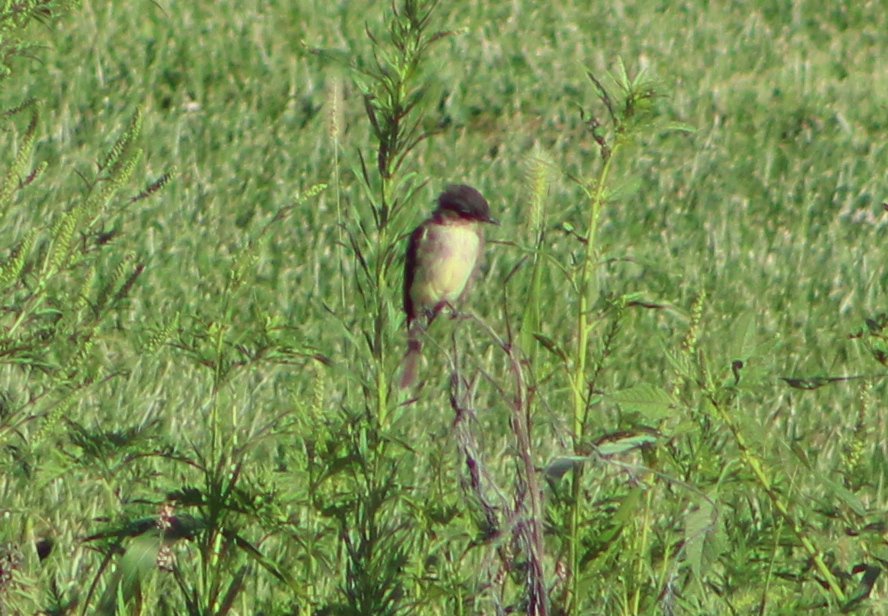
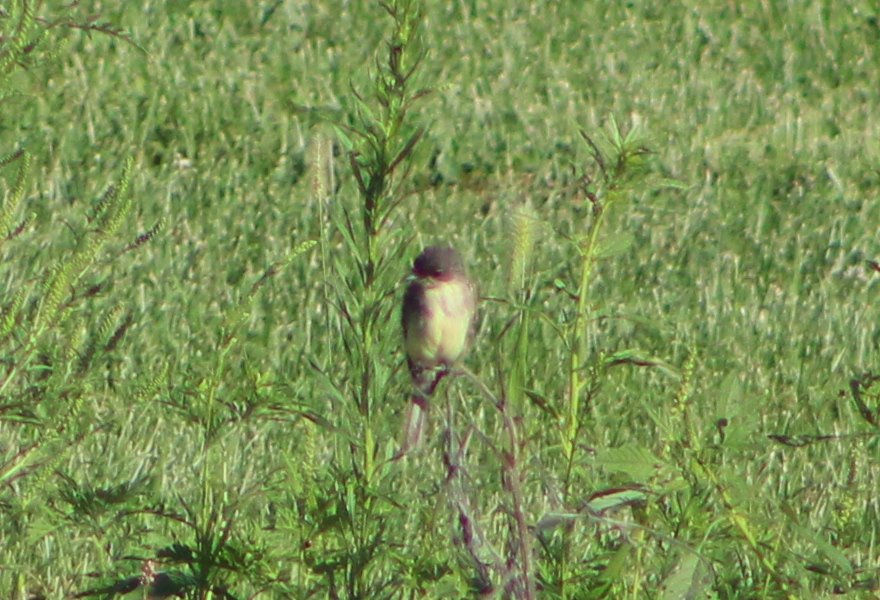
For me, my “entry level” camera helps me to capture what I see that I cannot evaluate on the spot. First, my eyes are bad. As an example, when I filmed that E Phoebe posted above, I only knew it was a flycatcher species (which is pretty good, since like I said, I didn’t even know that much a few months ago.) I didn’t discern the light hint of yellow from the distance I was sitting (which turned out to suggest it’s a youngster.) Second, I don’t have the data in my brain to tell me what I’m observing. Rather, I get back to the office, download the SD card and enlarge the images until I can determine what I actually witnessed. That’s my method. It works for me. If the pictures are cool, I post them to my blog. That brings me pleasure if I know someone else might have a moment joy seeing these lovely creatures. I’m old enough that I know it’s OK if that’s not the right way to do things because – yeah, there aren’t many absolutes in life.
Now, it’s clear that I can recognize many things that I film. I haven’t misidentified the Great Blue Heron, yet. Yesterday, he was standing about where he is always standing when I entered the pond meadow. His mouth was open and he was still as a statue, which is customary for him, too. But, he granted me an additional 20 feet before he decided I was too close. Perhaps he is finally getting a bit accustomed to me. That would be great to know.
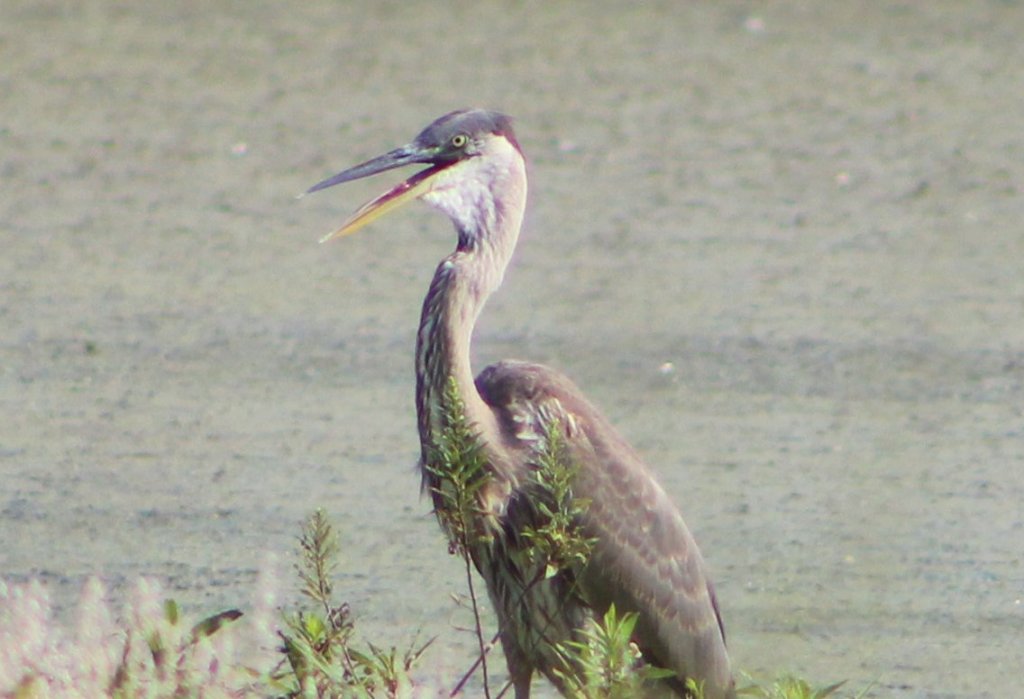
After taking a few minutes to get what was my best photo of the heron to date, I traveled to the corridor. I’ve mentioned that special place in earlier posts. It’s a mowed path between two heavily scrubby, weedy places. I get the idea that some species may nest in the area that has many more mature trees, but they go to hunt in the younger overgrowth location. There’s a weeping willow tree about half way down the path that has a few broken branches. Birds sometimes stop there in the small, dark clearing before moving to the other side. I’ve missed filming several birds that I ache to catch on film in just that spot, including the male Blue Grosbeak that landed smack dab in the middle of the clearing on that dead branch, when the sun was perfectly illuminating his loveliness, just to remind me how slow I am at getting a little animal in focus!
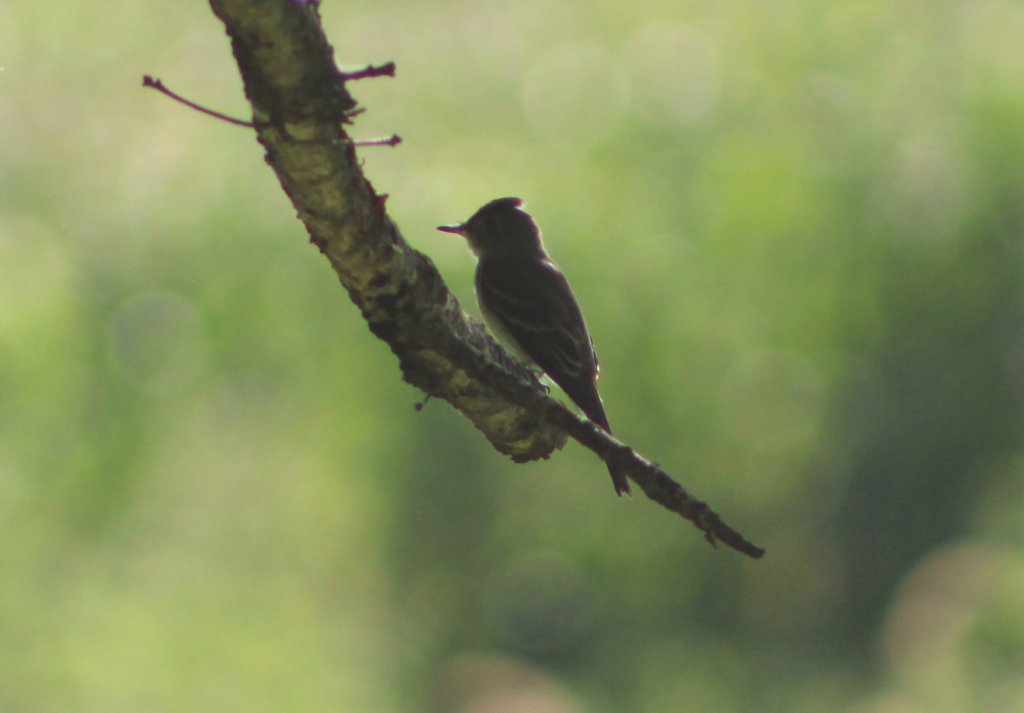
While I sit at the west end of the corridor, I face East with the sun at my back. Unlike the conventional Birders who get up at outrageously early hours and are home again having a second cup of coffee by 9:00 AM, my schedule permits me to do my hobby in the later afternoon. For that reason, I organize my arrival into locations so that the sun will illuminate my subjects. Of course, at some point, to get back home I need to drive into the sun and any wonderful subject worth filming will be back lit. That happened yesterday with this flycatcher species that was so incredibly close and sitting outrageously in the open on a dead tree branch, but I knew would not be properly illuminated. Still, it’s an artsy sort of composition. The Birding Experts have shared with me that this is probably an Eastern Wood Pewee. That makes sense because I have been hearing that bird song all summer. I’m posting an audio recording below the photo.
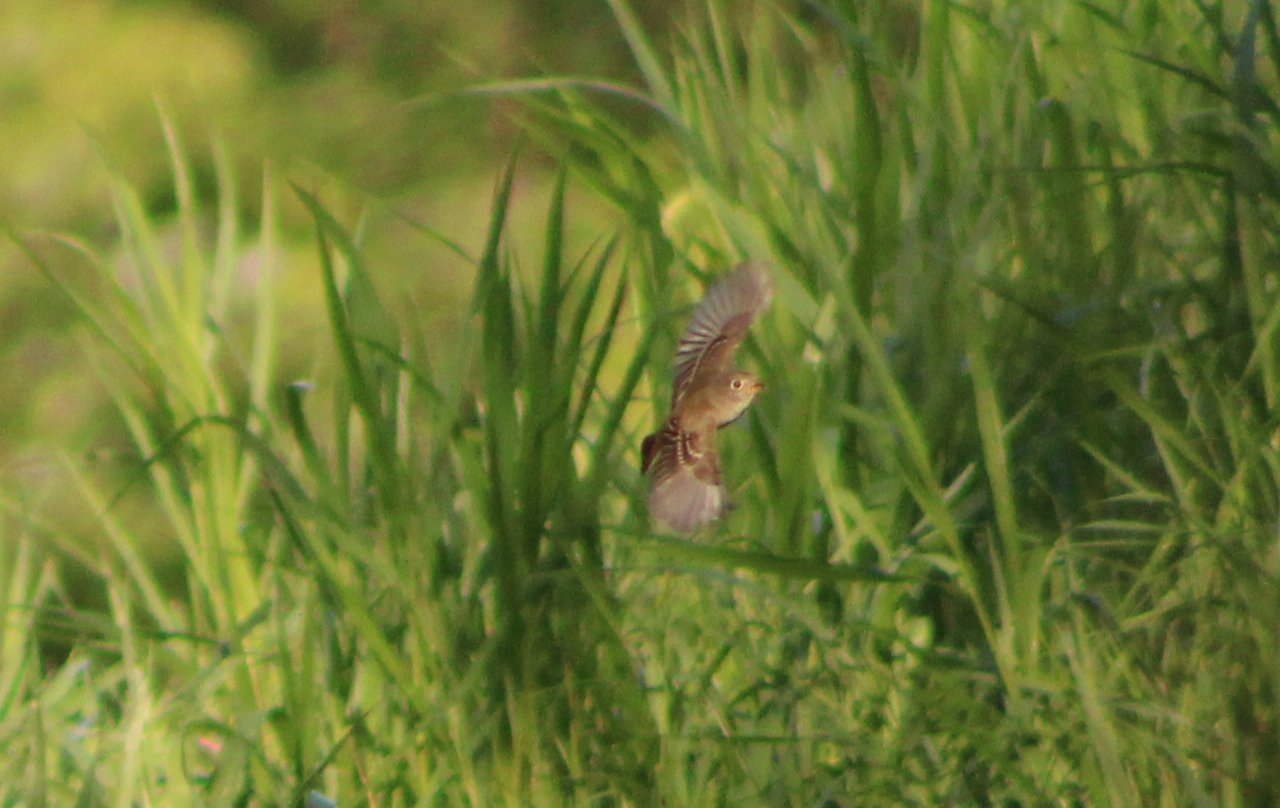
Back to the corridor. While I sit at the west end I often see a tiny, dark bird flitting back and forth at the east end of the path. It’s about ten feet from the opening out to Sham’s Paddock. It’s nearly always in that same location. I haven’t collected actual data, but I would say that at least sixty percent of the time that I travel to the corridor, I see that little bird. It’s small and fast. At times, it flies about a foot above the ground from north to south. Then, thirty seconds to a minute later, it flies back again. Other times, it flits out the the center, and darts back from where it came. It repeats this behavior over and over again.
Yesterday, since there wasn’t much else going on, I decided to see if I could capture an image of that bird which was sufficient in quality to identify the species. I didn’t have much faith that I would achieve my goal. But, it was worth giving it a try. You will see in the first image below, I caught the bird flying over that tuft of grass. That’s where I set the focus and held my finger half way cocked and ready to see the bird fly across the zone. Had it been just four feet farther East, it would have been in a nice patch of sun. I suppose that is why he flew in the shade.
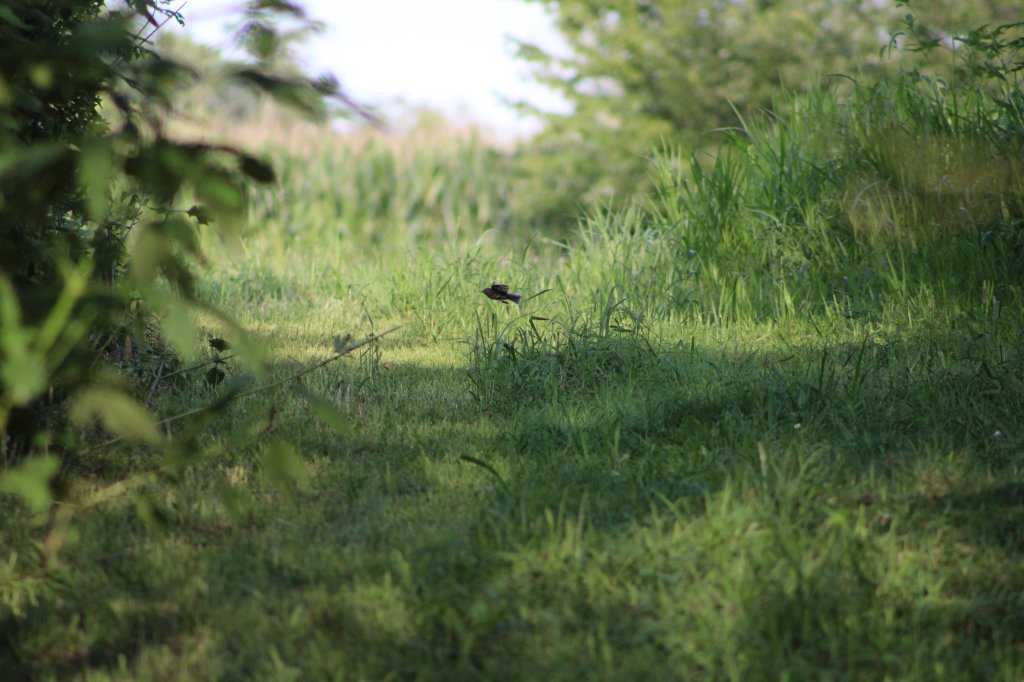
I’m happy to say that I believe I captured good enough quality shots to determine the species of this cutest of little birds. There are a few that are actually decent, from my personal perspective, but I’m also posting the poor quality images if they provide something interesting, like the way the bird was flying during the excursions across the corridor. Many times, it appeared to nab an insect, but I wasn’t able to catch that behavior.
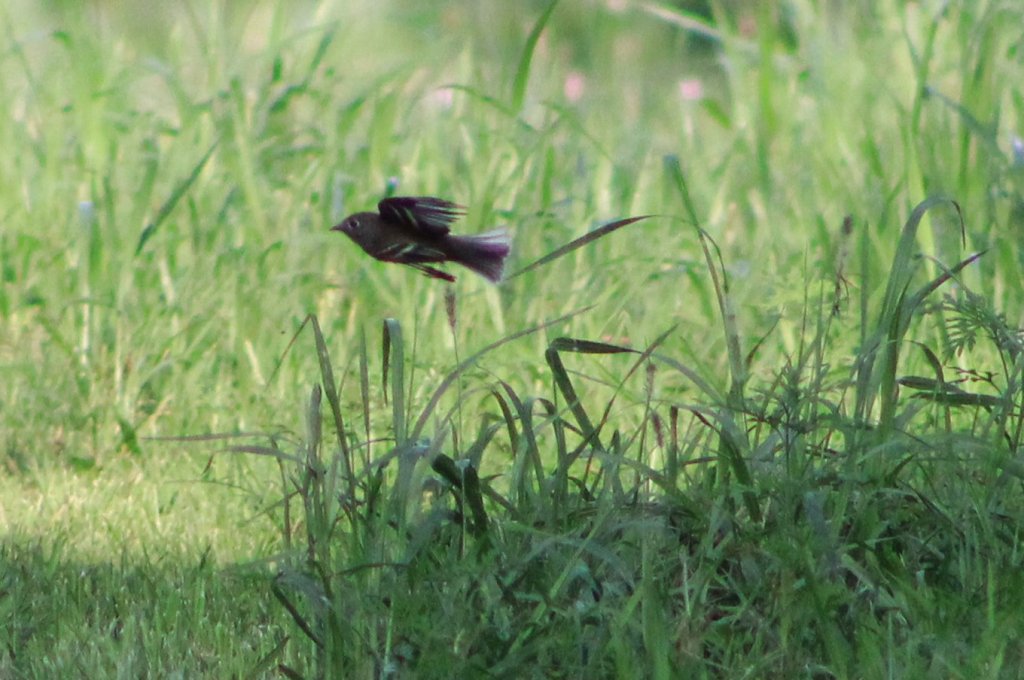
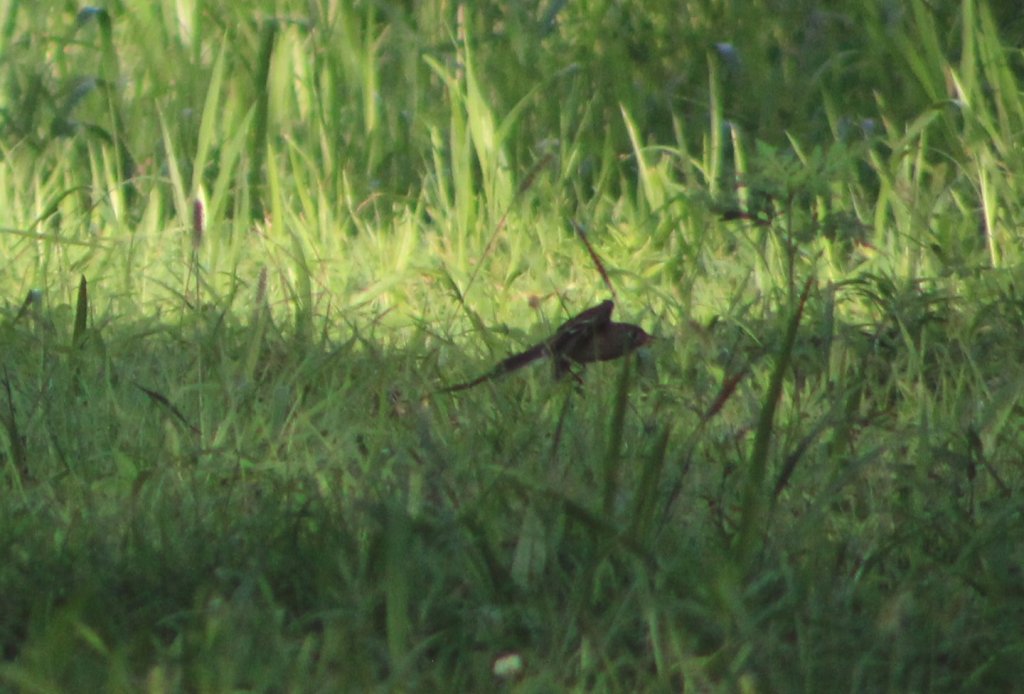
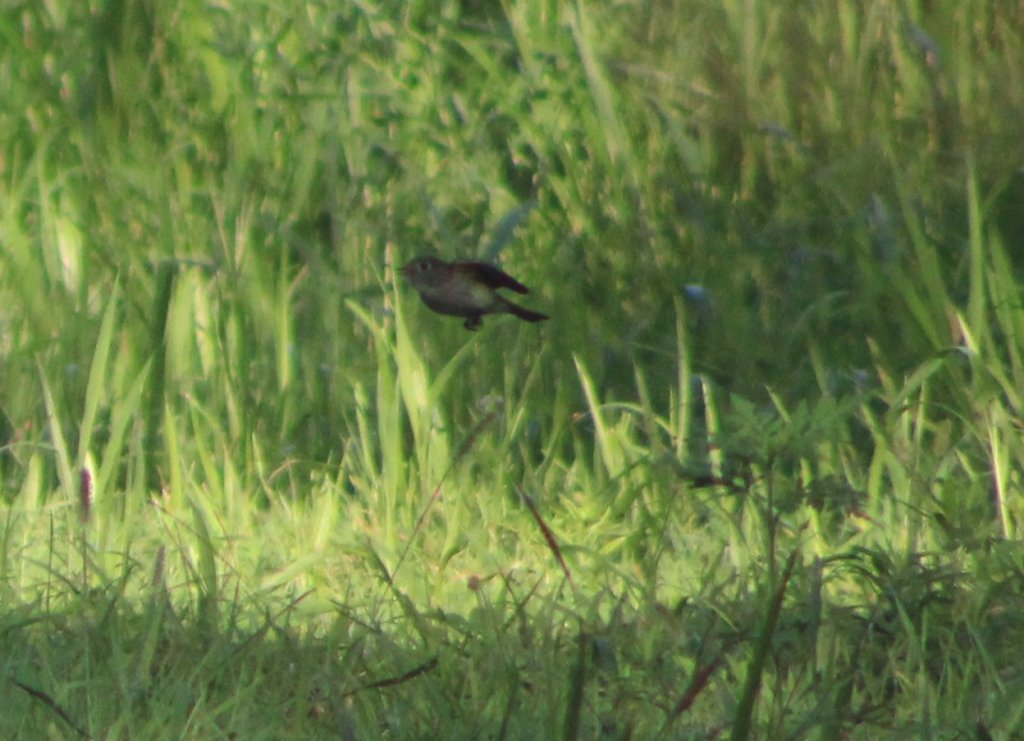
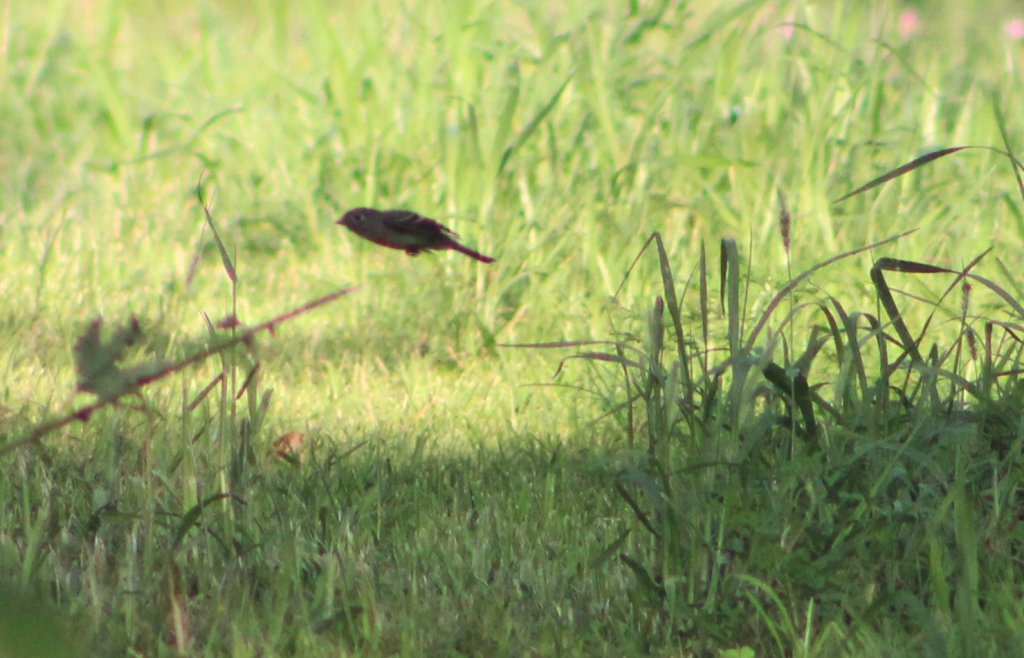
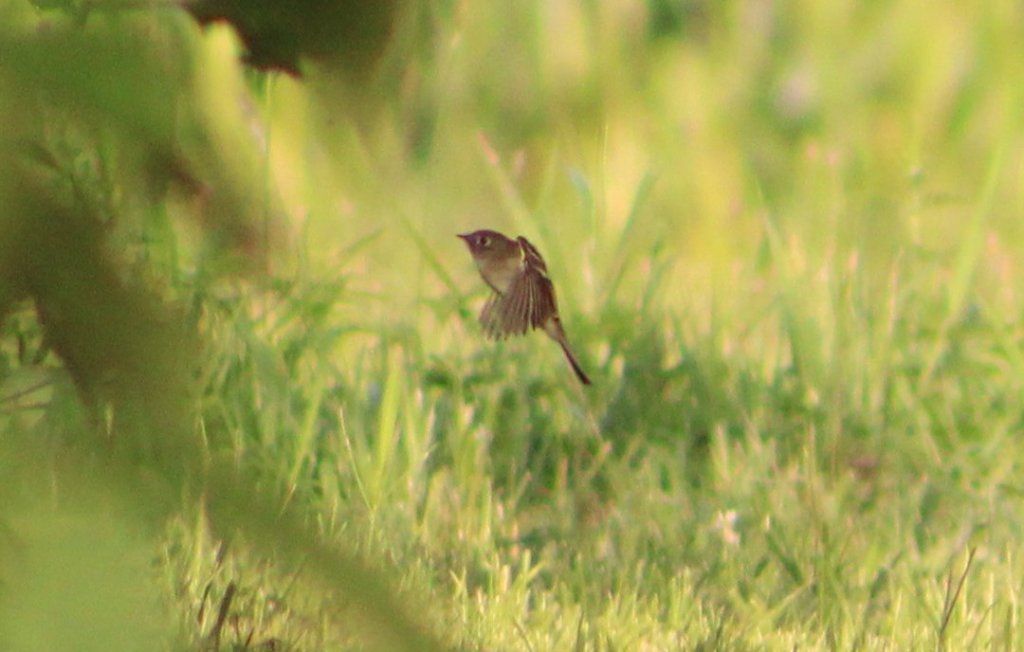
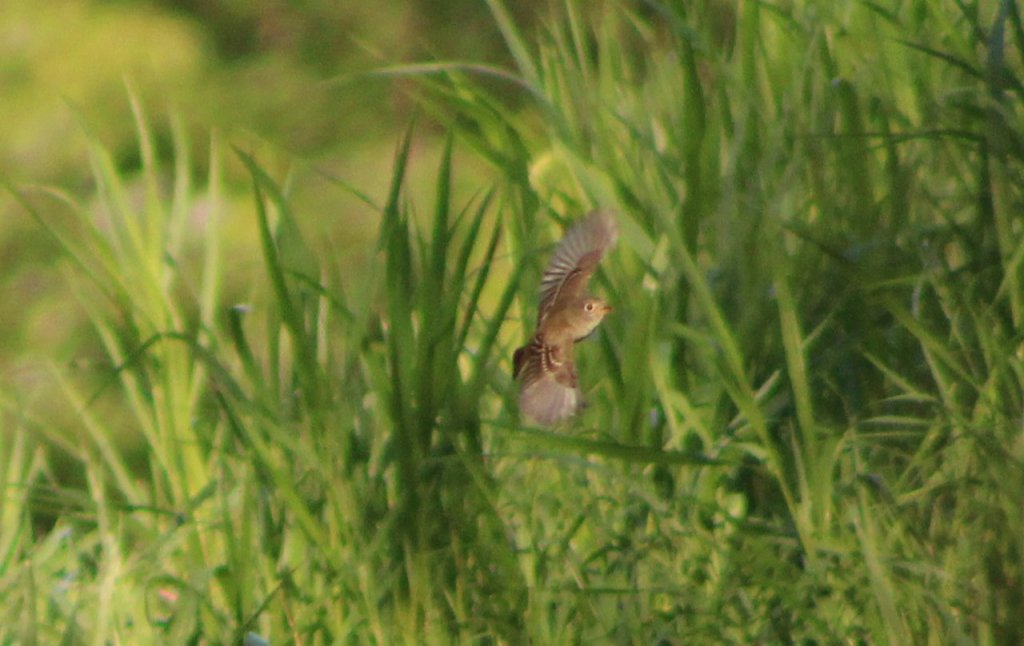
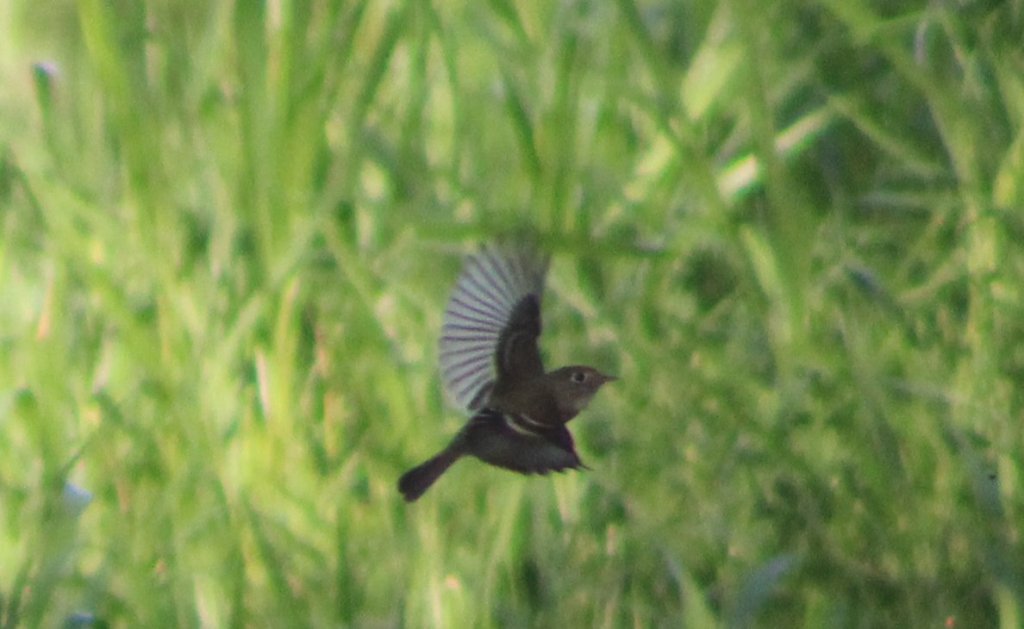
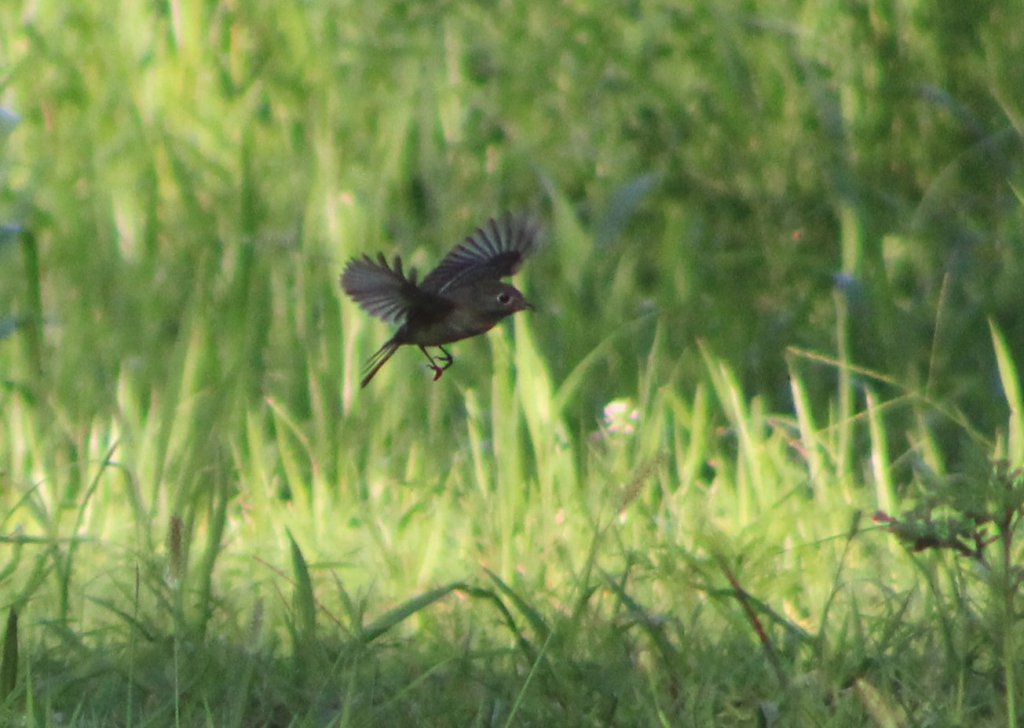
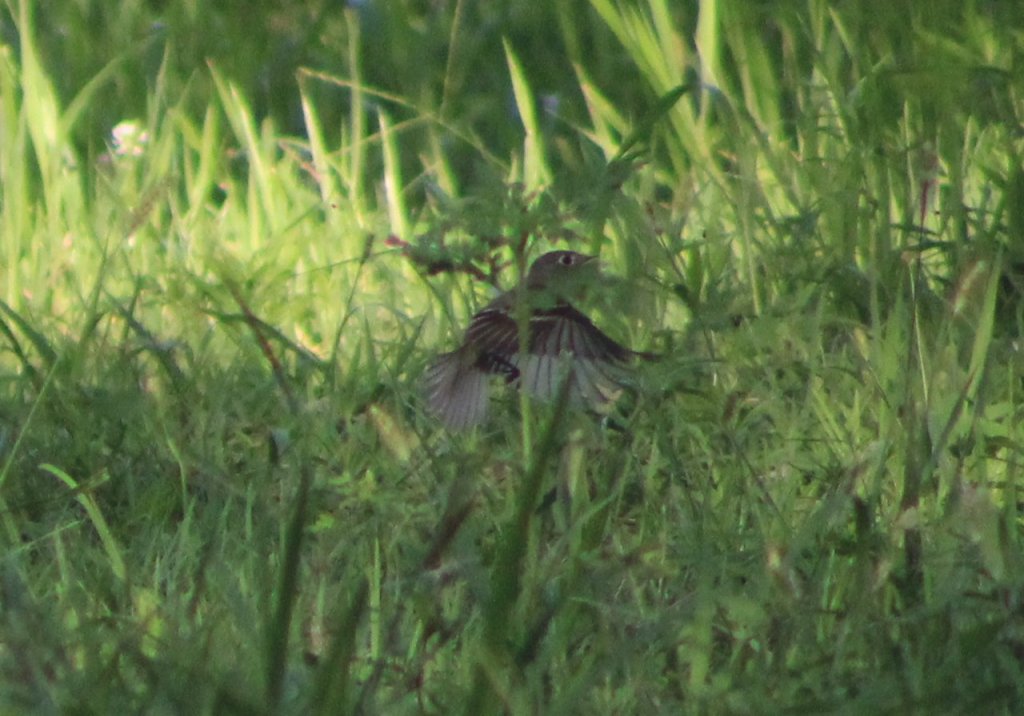
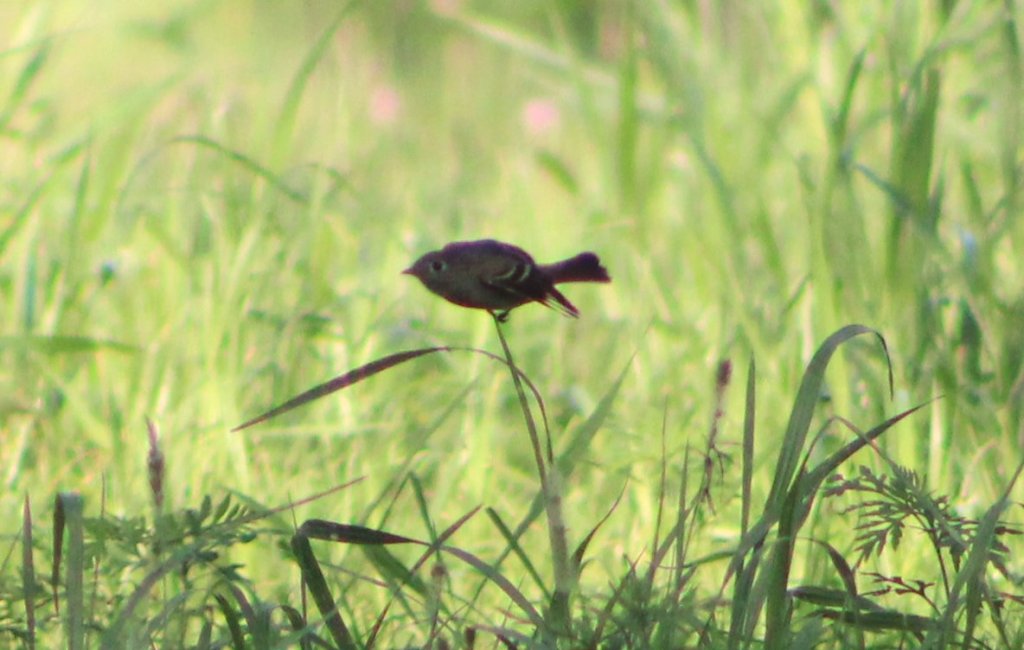
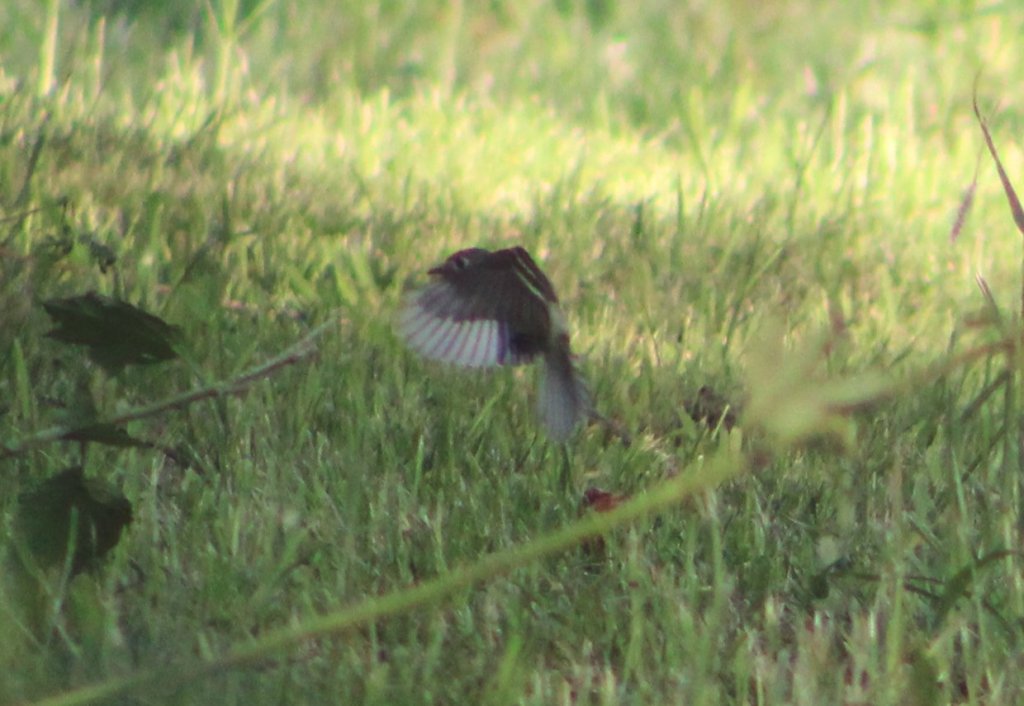
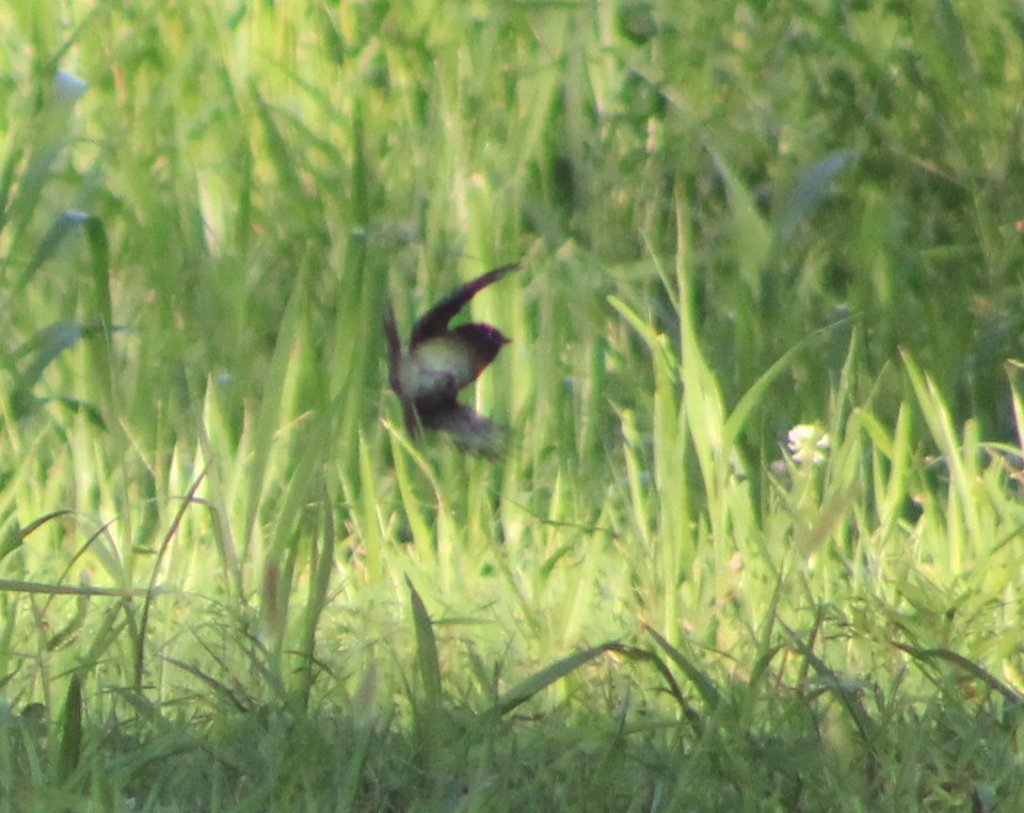
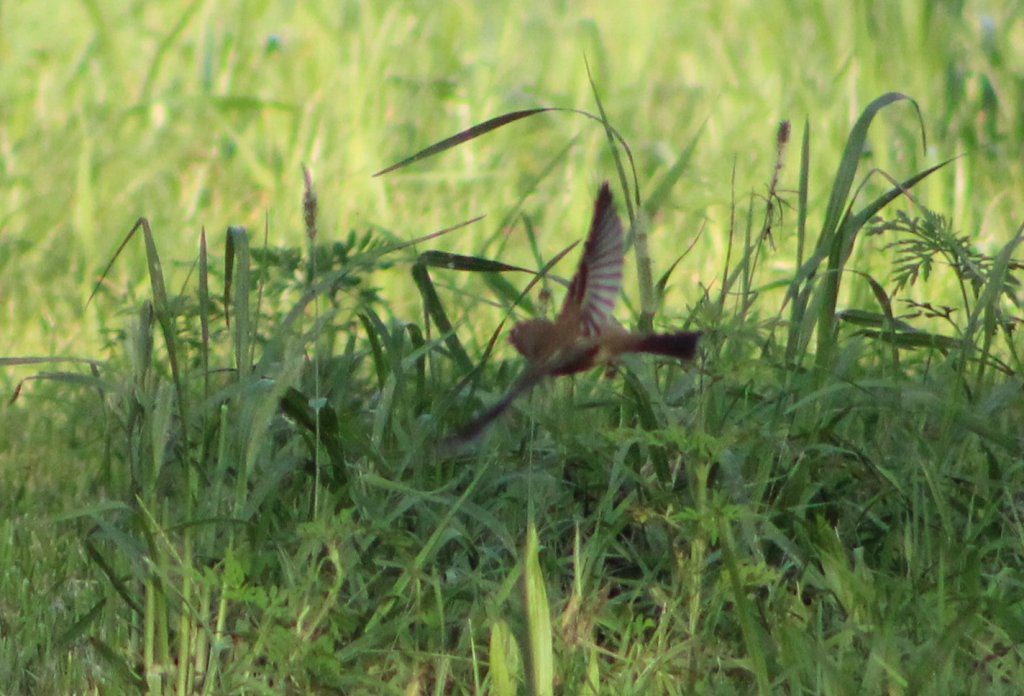
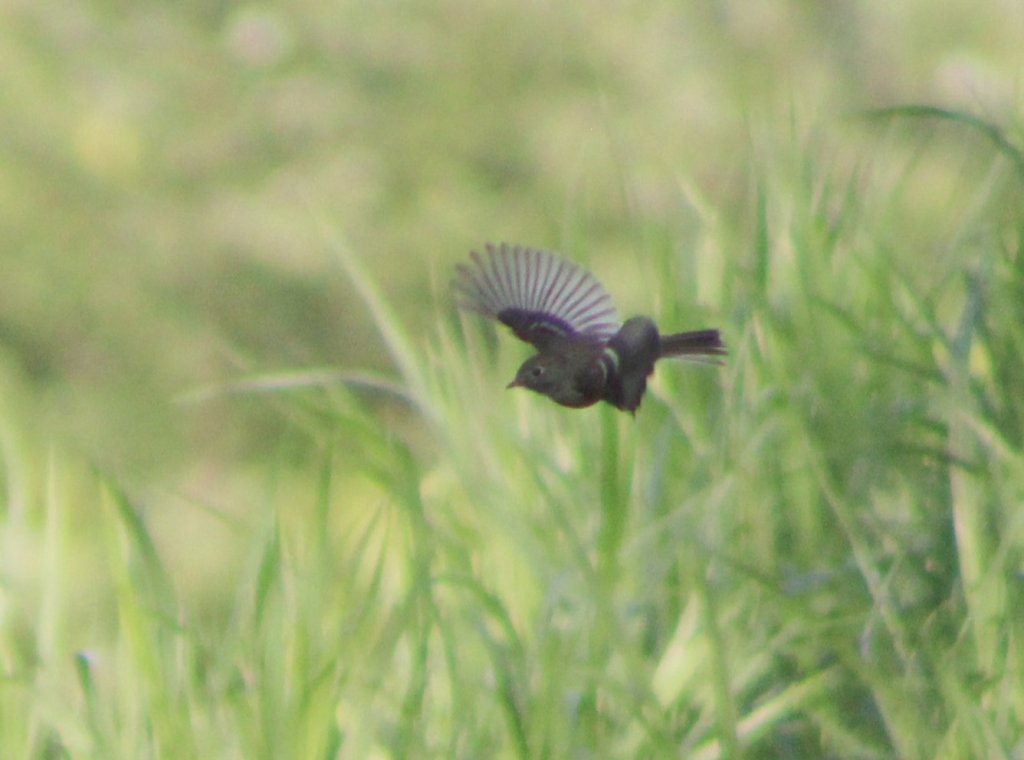
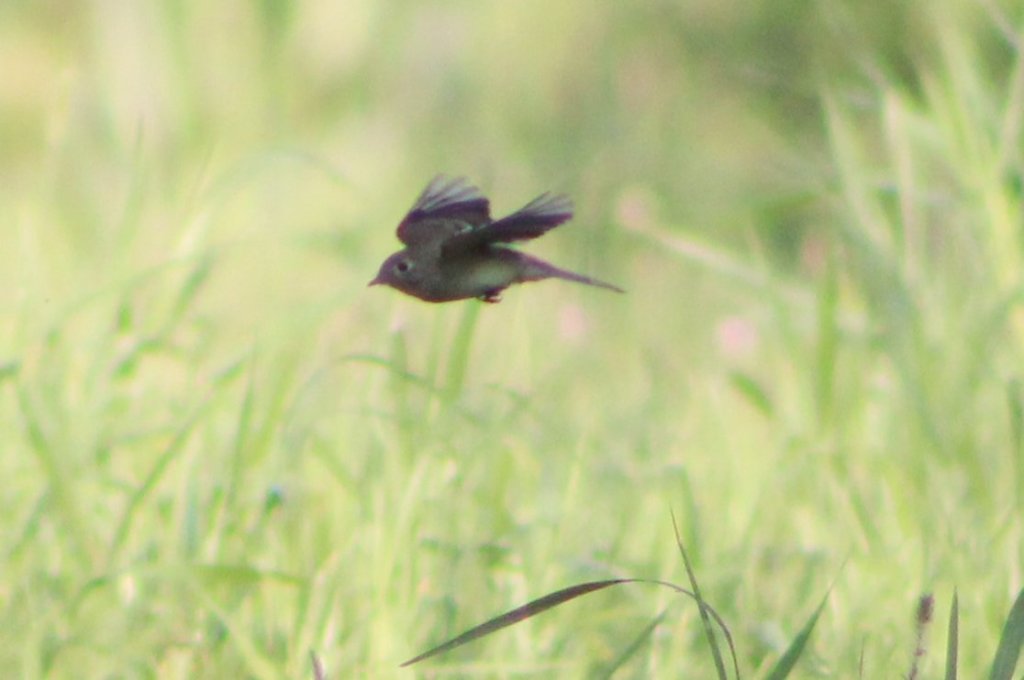
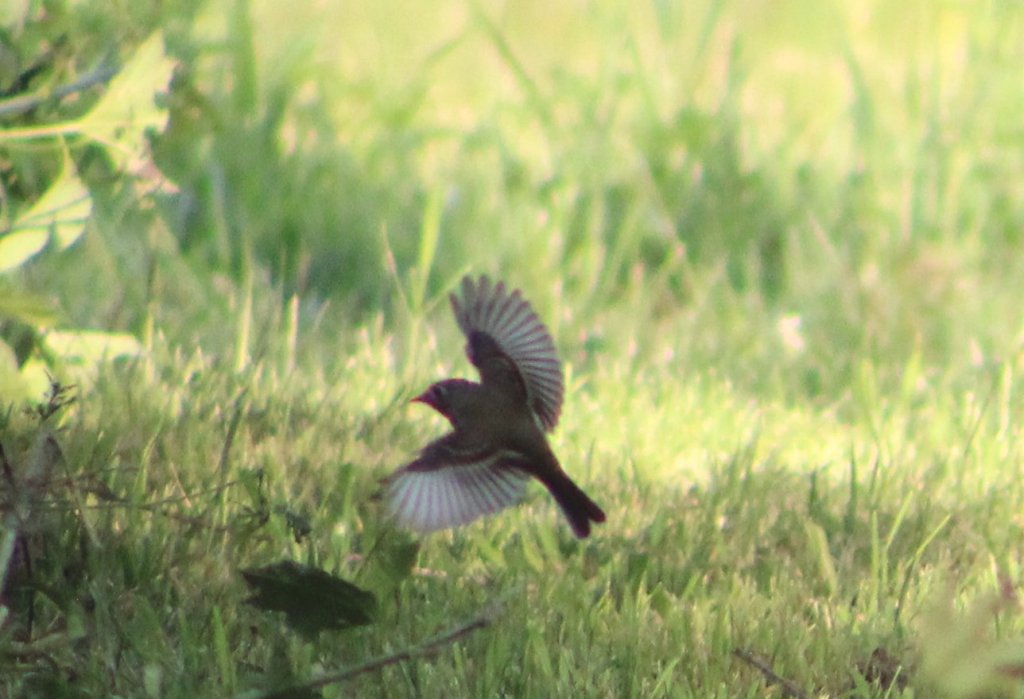
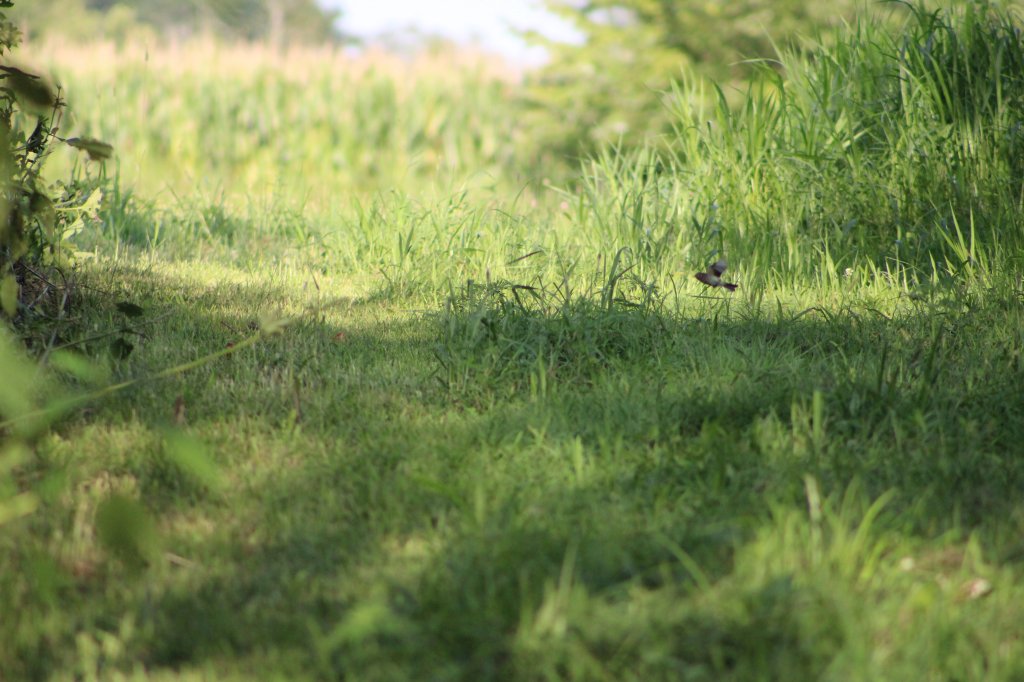
Most important: I must tell my husband to refrain from mowing down that little patch of taller grass. If it wasn’t actually an important location for the bird’s hunting forays, it was a good place for me to focus my camera, as the bird frequently flew right over it!
Oh, and second most important: What species is this little bird? I may be corrected by the expert Birders, but I’m going with Acadian Flycatcher.
Update 8/20/20 A couple experts did weigh in. First, even folks who claim to have been “Birders” for decades say it’s very challenging to differentiate many of the Flycatcher species. Some said that, at this time, it’s difficult to confirm it’s the Acadian Flycatcher because there are a couple other species that only migrate through the area that could meet the same description: the Least or Yellow-bellied Flycatchers. I’m no expert, but I have been seeing this bird performing this “flitting across the corridor” for a few weeks. Since I’m located in south-central Illinois, I’m thinking the bird had to be one that was here for the summer breeding season.
In the end, I’m cool not knowing what species the bird is. If I lived off-the-grid without access to the internet, I would probably just name this bird the “Flit Flit” because that’s what it does when I observe it. The Great Blue Heron would be named, “The Great Frog Eater,” and I’m sorry to say that the moniker of Bluebird would have to go to the Indigo Bunting, and the Eastern Bluebird might rather be called the Patriotic Bird, for it’s Red, White & Blue markings!
Since I’m not off the grid, and I do have access to reference materials and “the experts”, I will retain the next paragraphs as they were first written:
At the end of July I took the following photo in a different area of our property. When I asked the experts whether it was a Willow or an Acadian Flycatcher, I learned that it’s truly very difficult to know without hearing the vocalizations. One rainy day I was putting some of the recordings I have done through the BirdNet app. It reported that a vocalization I acquired in that same location and just three days later was “Highly Likely” to be an Acadian Flycatcher. It’s the final song on this very short recording.
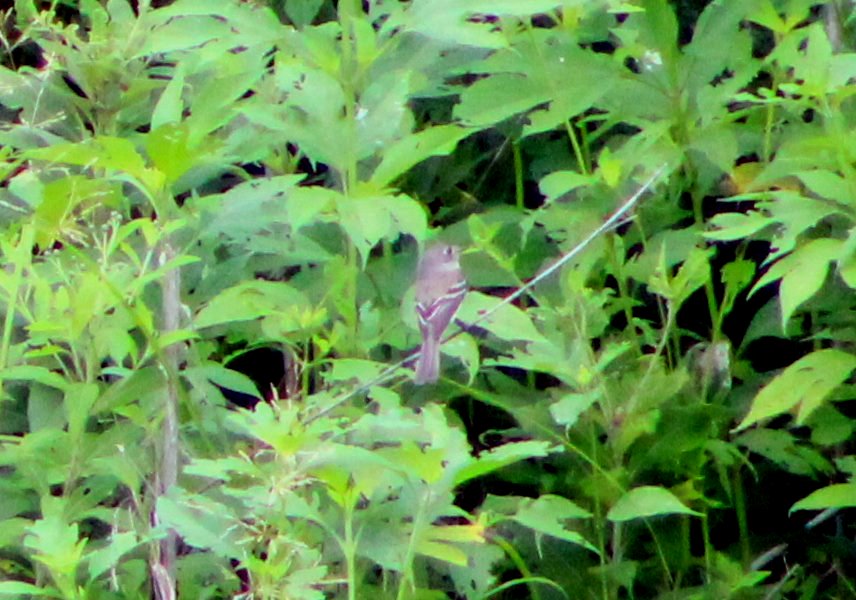
The Acadian Flycatcher is a cute little bird that before I actually got a good image of it was certain was some sort of Wren. I’m happy I took the time to take the journey which I was quite certain would lead to nothing more than a few dozen photos of a little, blurry blob. I’m happy to share the success of my voyage.

