It’s clear that I like birds. I love to watch, feed, photograph and listen to them. However, birds alone do not a complete experience make. Most trips I take with the intention of seeing and photographing birds, I bring home a few shots of other natural flora and fauna that truly bring sparkle to the landscape. I strongly believe that they require a big honorable mention. If I know the species I will post it in the caption of these images. But, this is designed more as art than science. Enjoy!
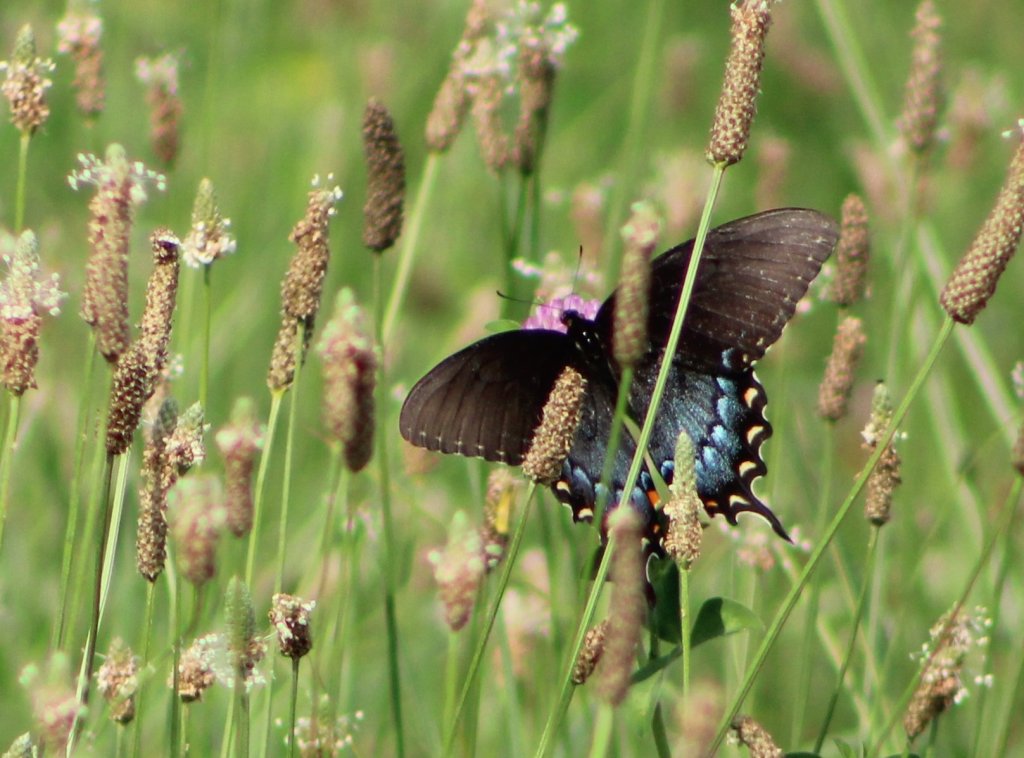
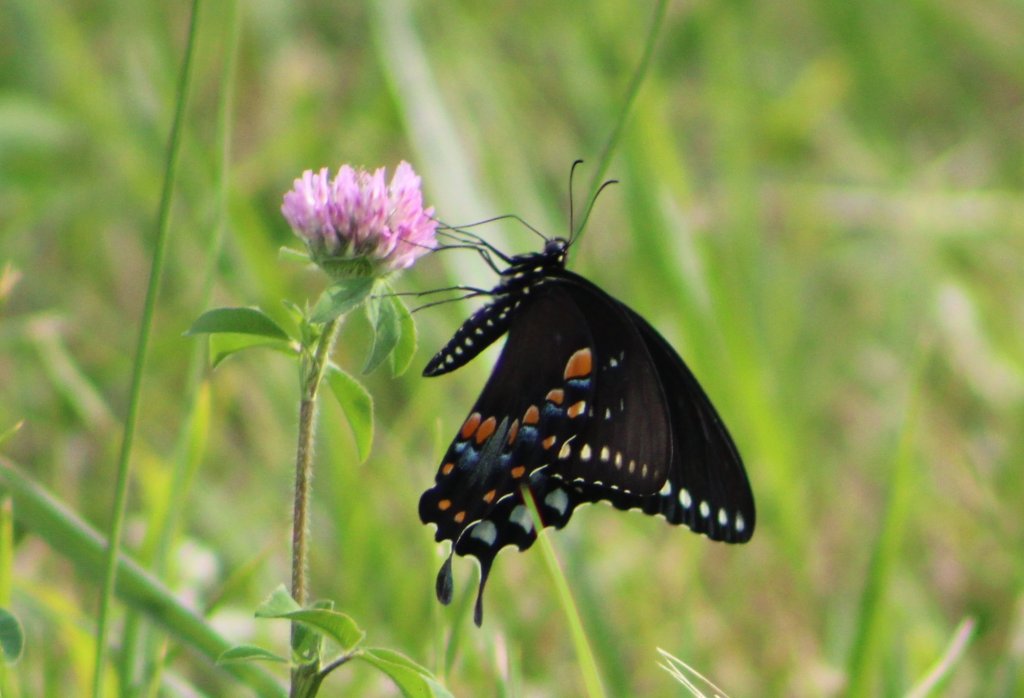
I believe this is called a Black Swallowtail butterfly
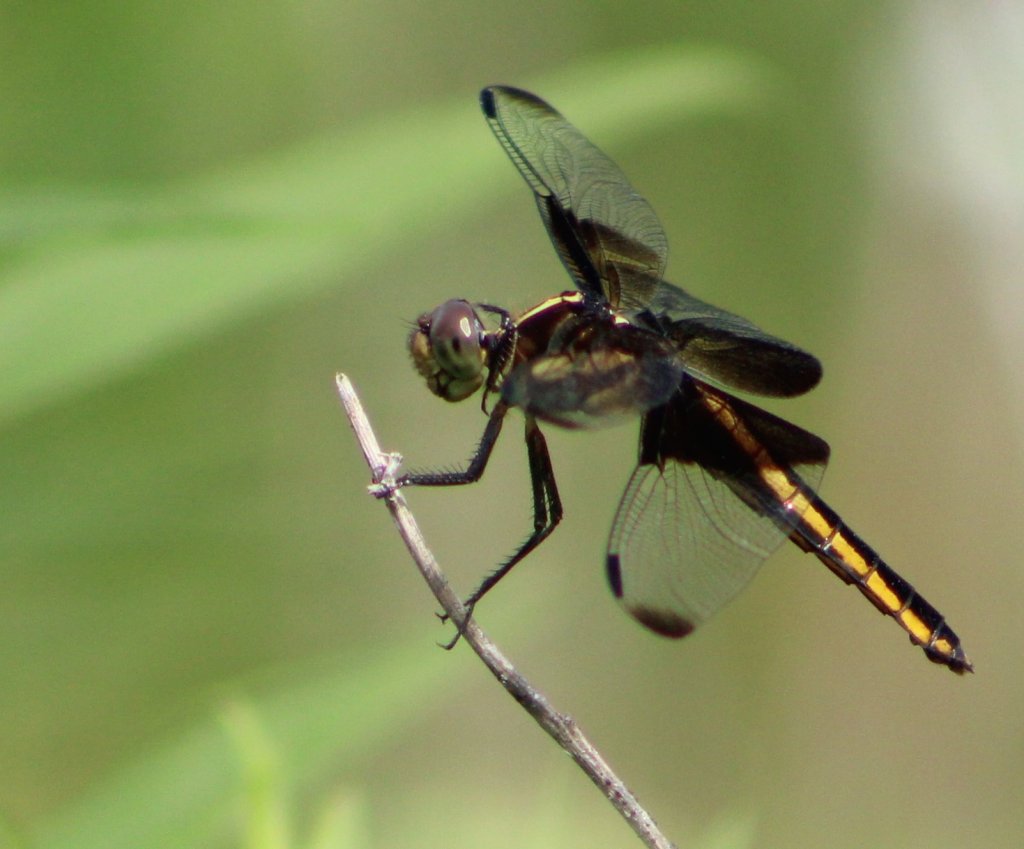
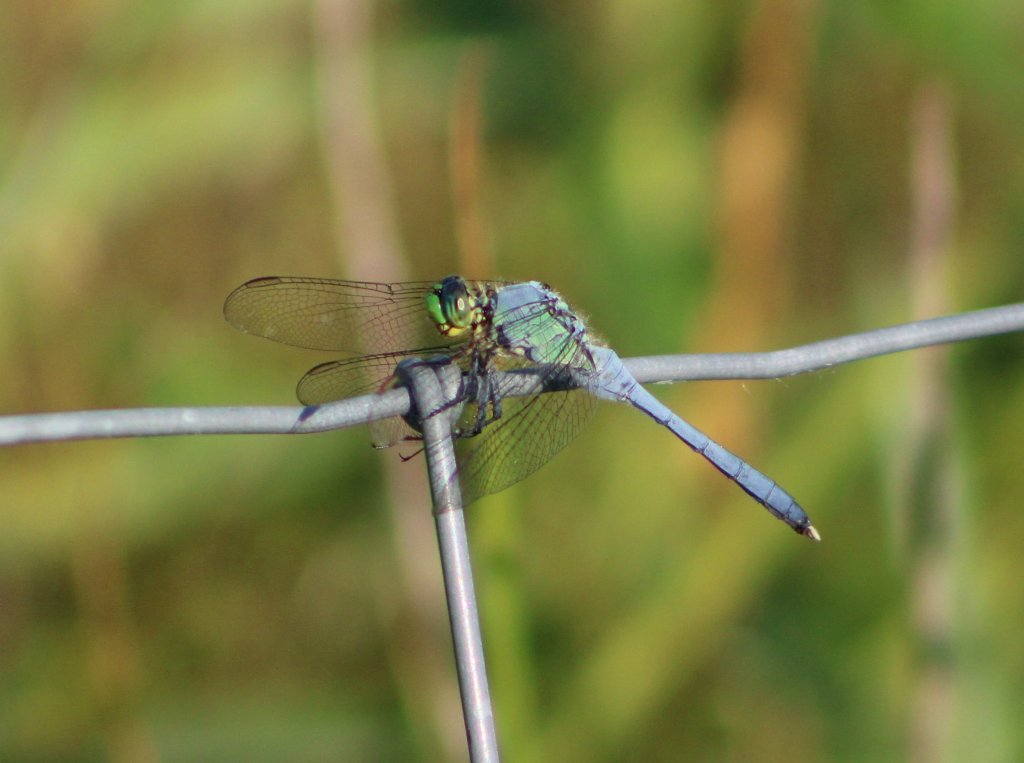
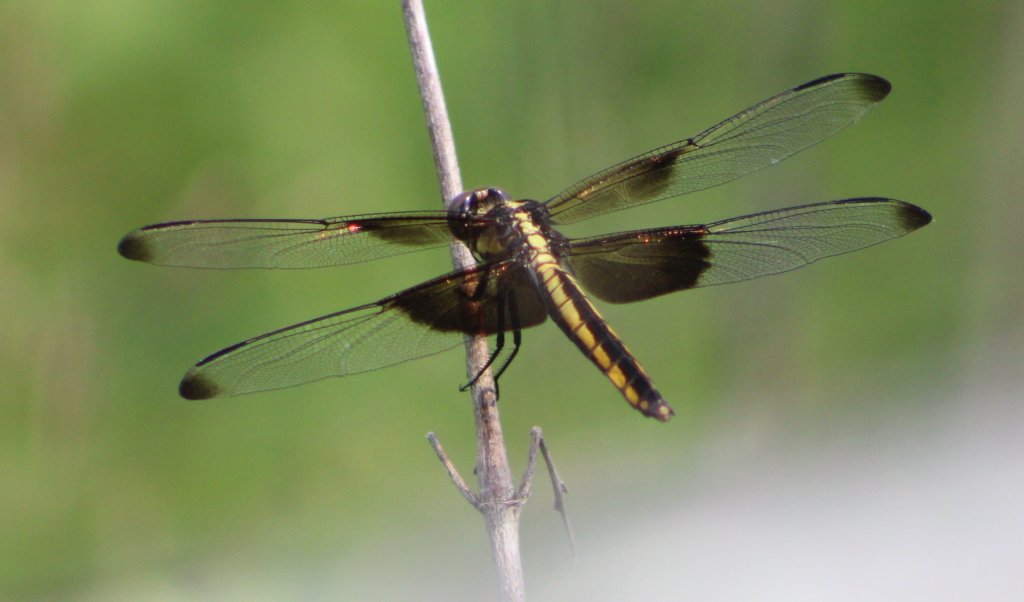
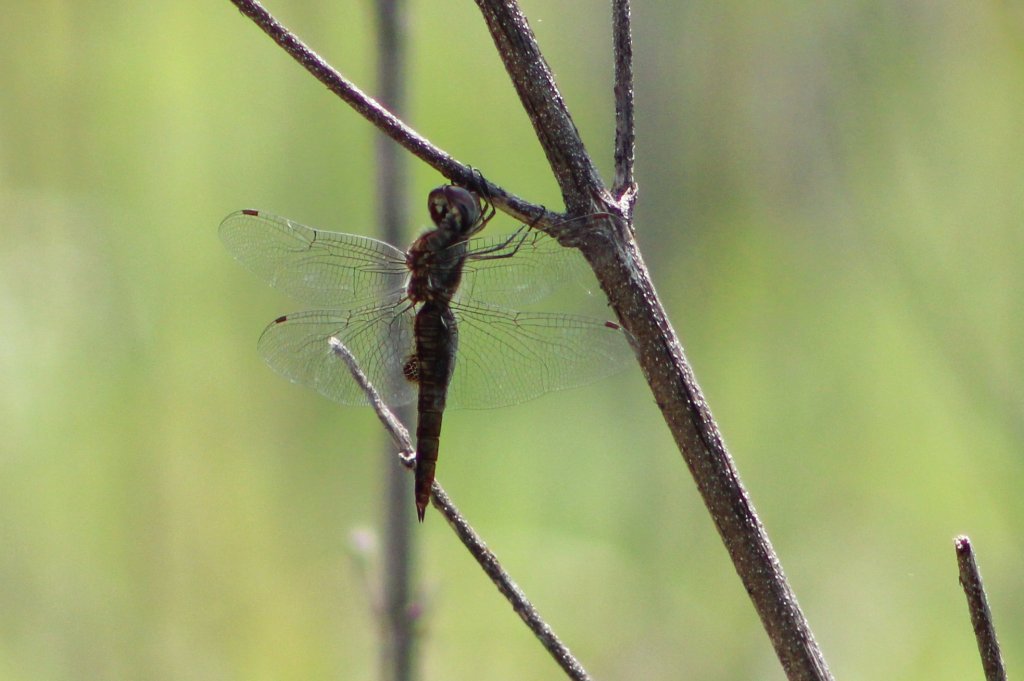
One of 98 dragonfly species found in Illinois! Who knew there were so many dragons among us?
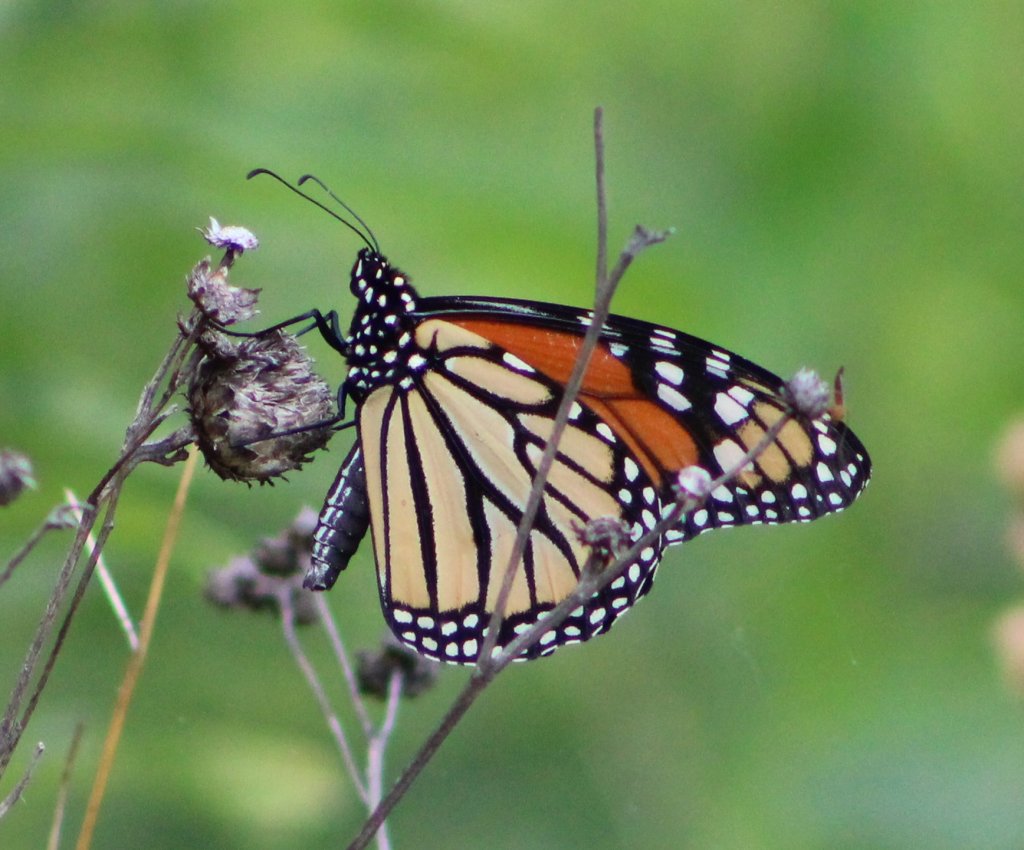
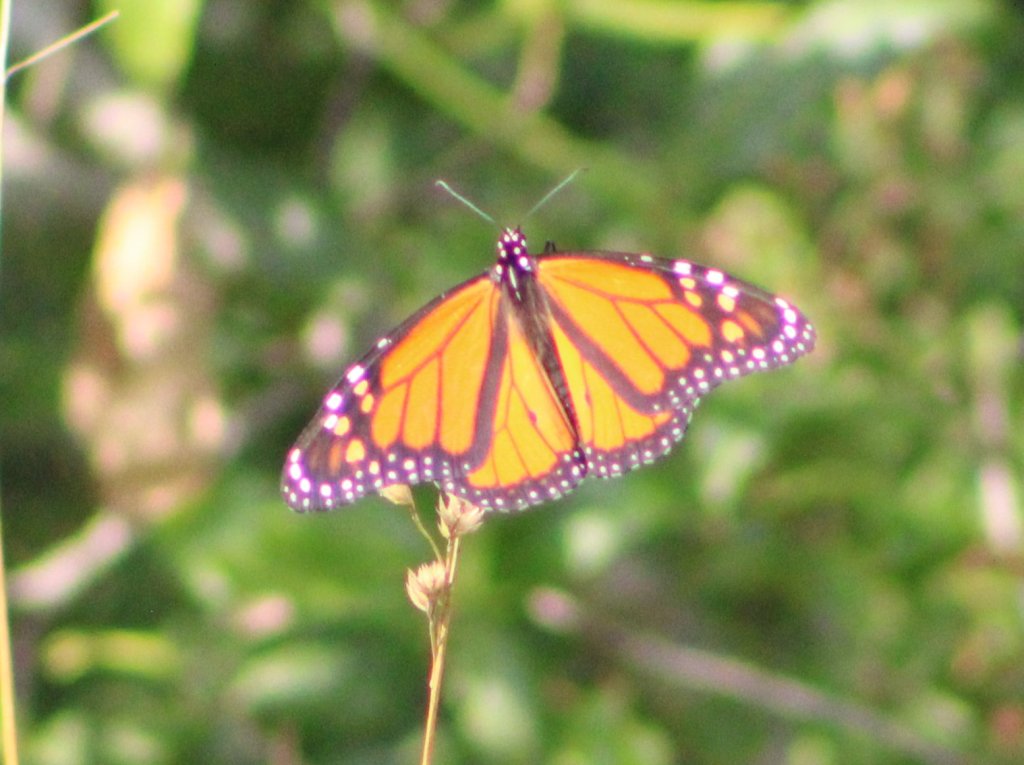
This is a Monarch – I am fairly sure. It was designated the State butterfly of Illinois in 1975.
Monarch butterfly.
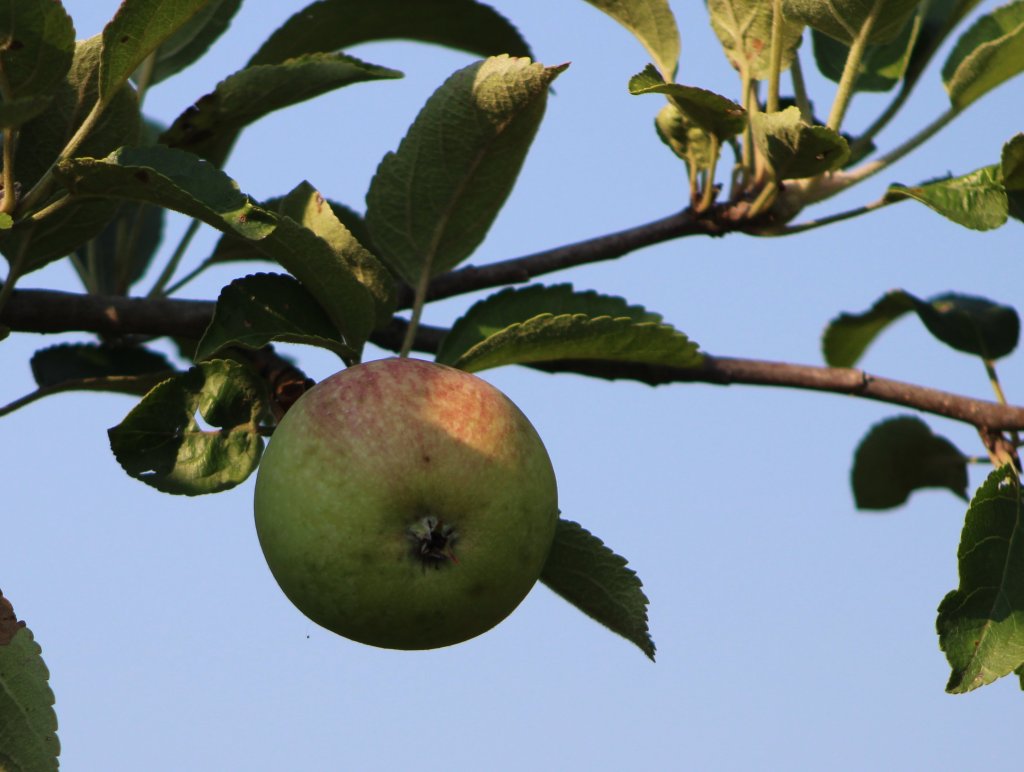
We planted this apple tree near the herding training arena almost twenty years ago. I recently rediscovered it while traveling around on the golf cart. I never saw fruit on it in the early years when we worked the dogs in that part of the property. Nice to see! I’m looking forward to taking a big bite out of that juicy apple once it ripens!
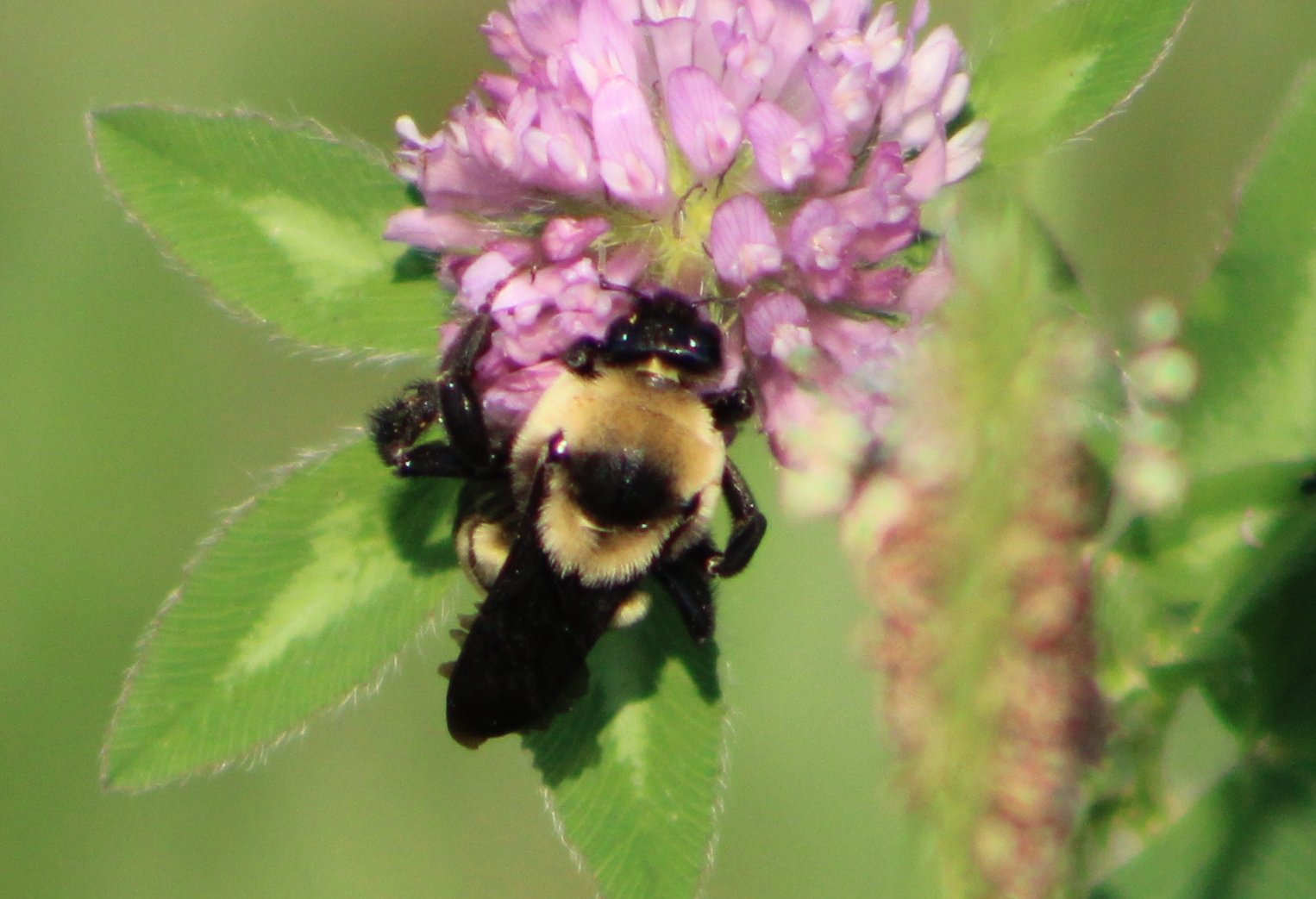
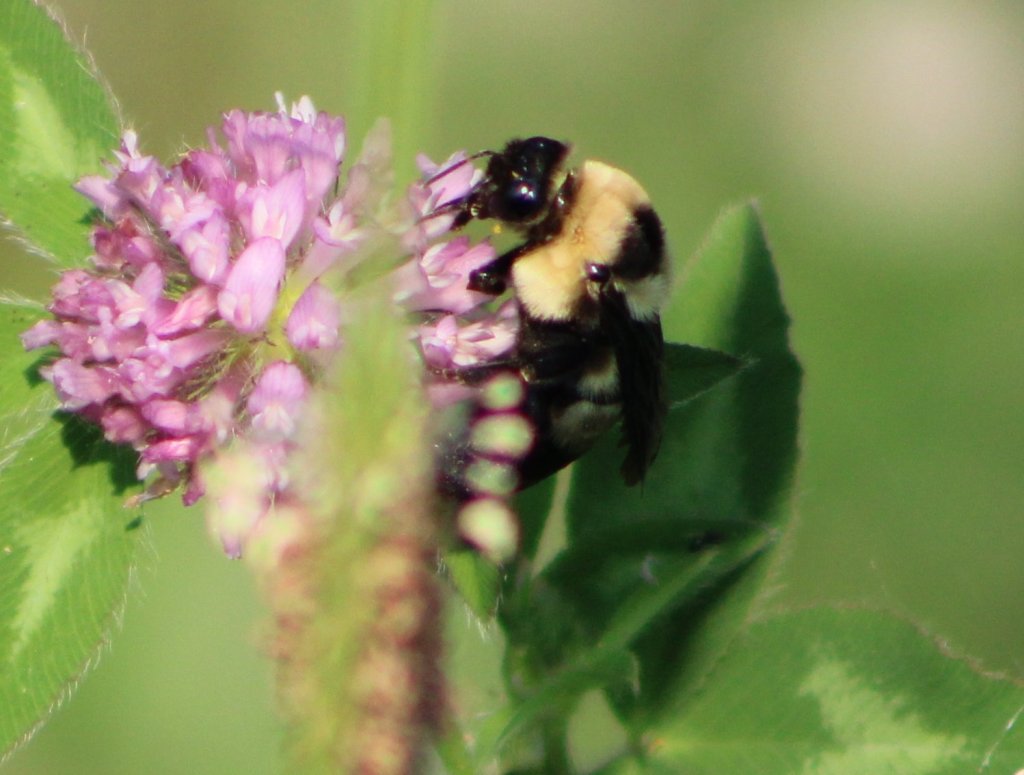
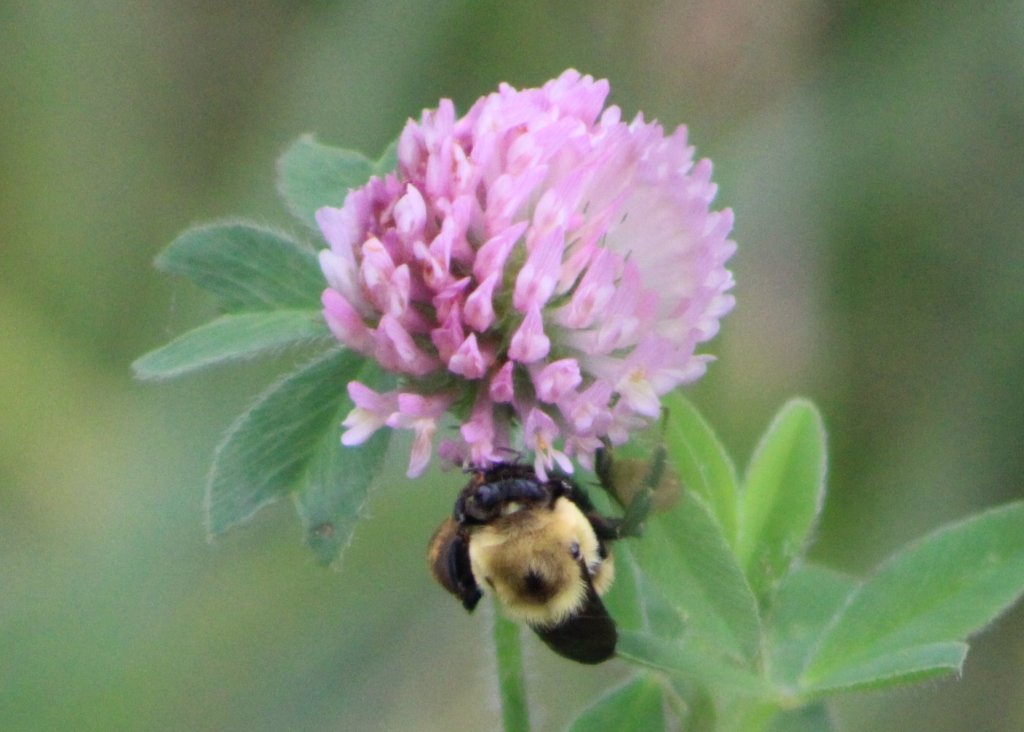
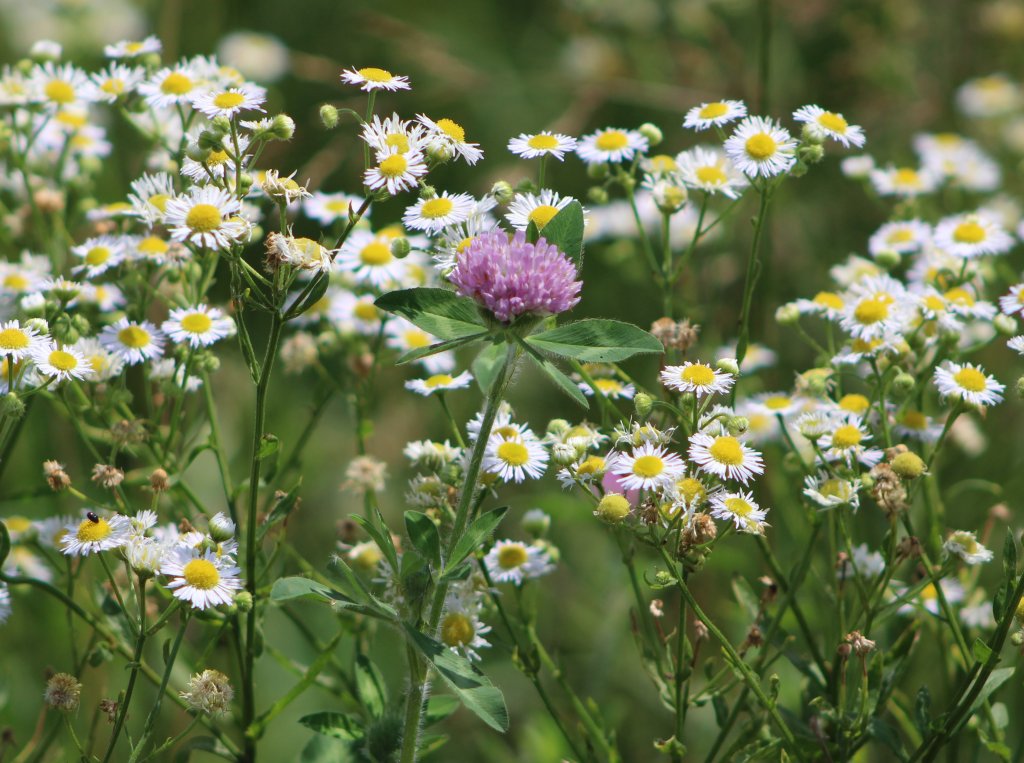
Lovely bee on red clover. I’m so happy that we planted the red clover the first spring we were here. I contracted a local farmer to put it in on the twenty acres on the western end of the farm (which is now where our new house sits.) We planted an orchard grass mix in the other pastures. Over time the clover has taken hold in all the fields. It’s good for the soil as it fixes nitrogen. Clearly the bees, butterflies and even the hummingbirds enjoy the nectar it provides.
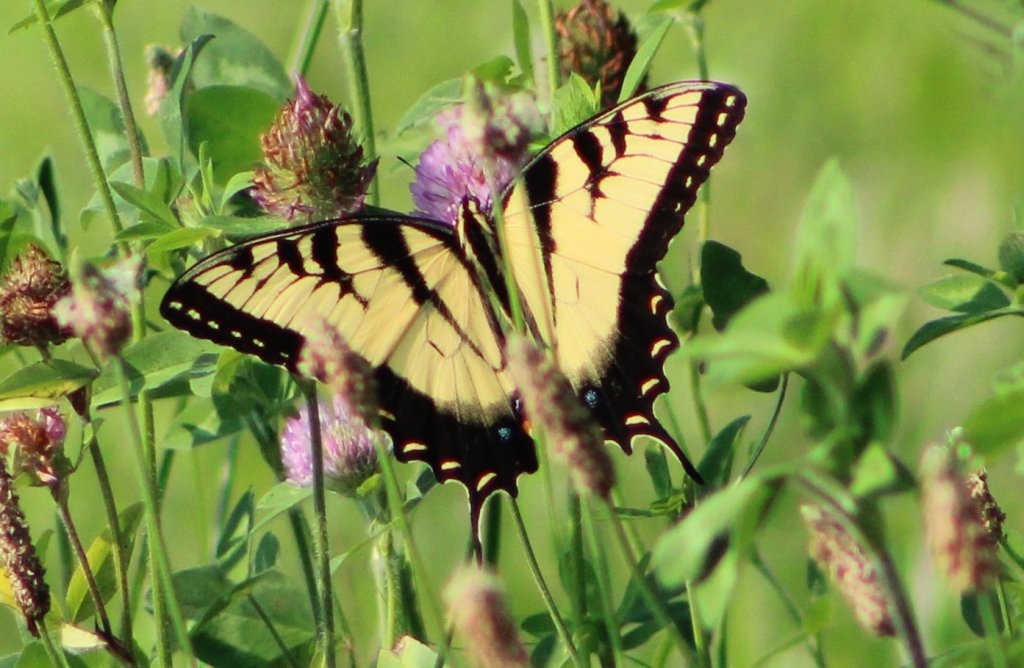
I believe this is a yellow Tiger Swallowtail butterfly.
Black Swallowtail?
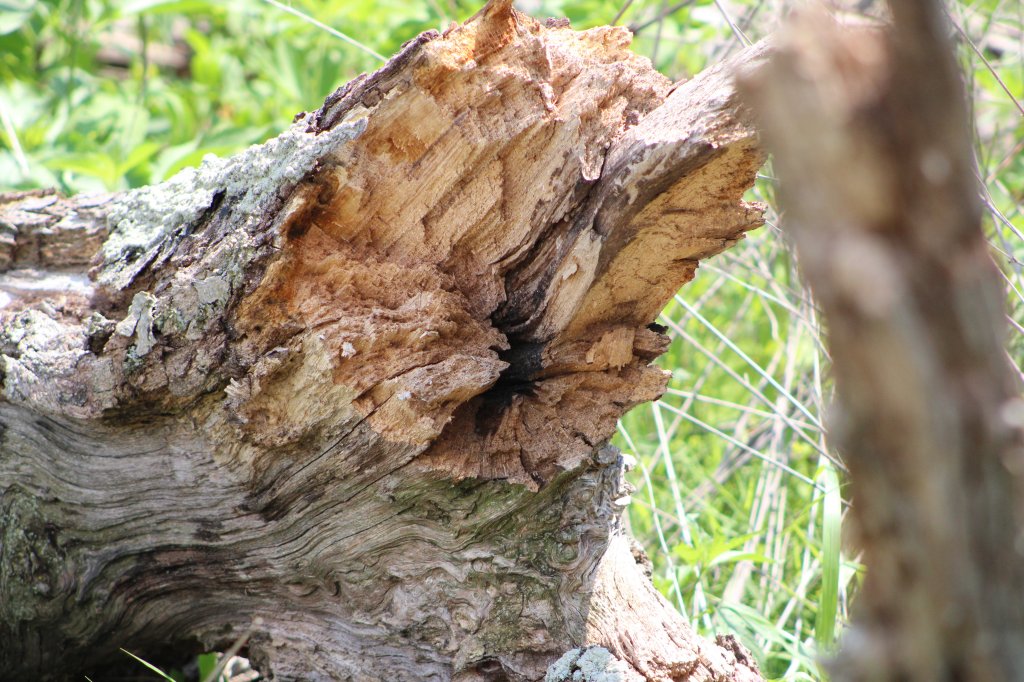
The benefit of living in the country on acreage is that when a tree falls, unless it is presenting a safety hazard it doesn’t have to be removed. Just like a piece of driftwood can become the basis for an entire ecosystem in the ocean, a fallen tree (and its dead branches) can be used by small animals as both food and shelter. I happen to find this particular fallen tree to be quite beautiful.
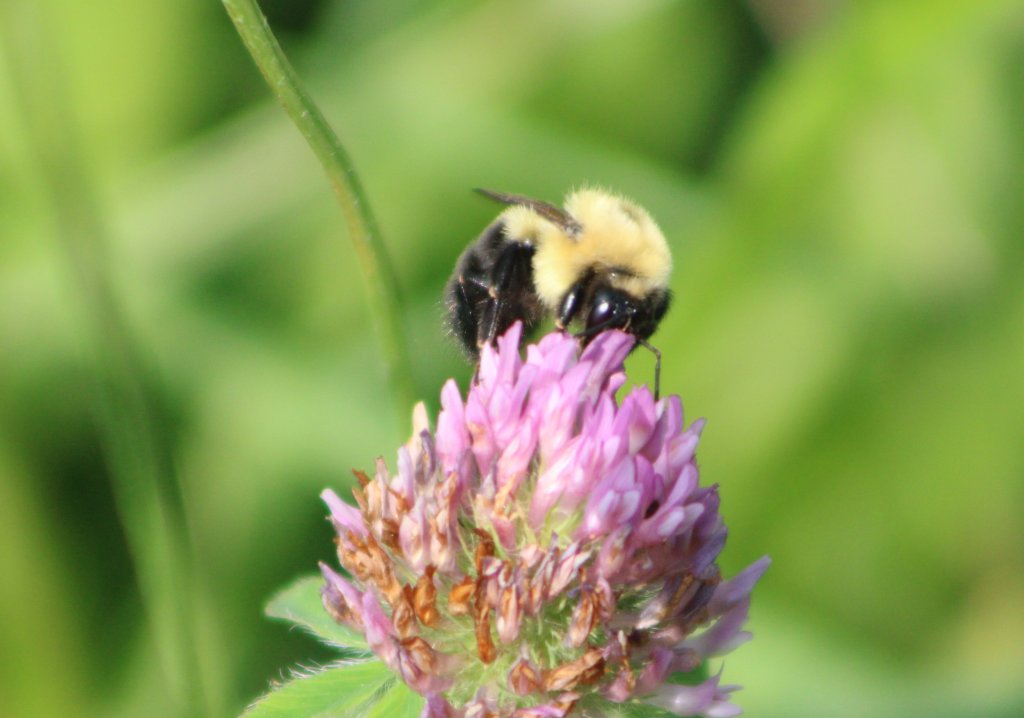
This is a bee on red clover. I visited www2.illinois.gov/dnr/education/ and discovered that there are approximately 400 to 500 species of native bees in Illinois. So, let’s just go with “bee” on red clover.
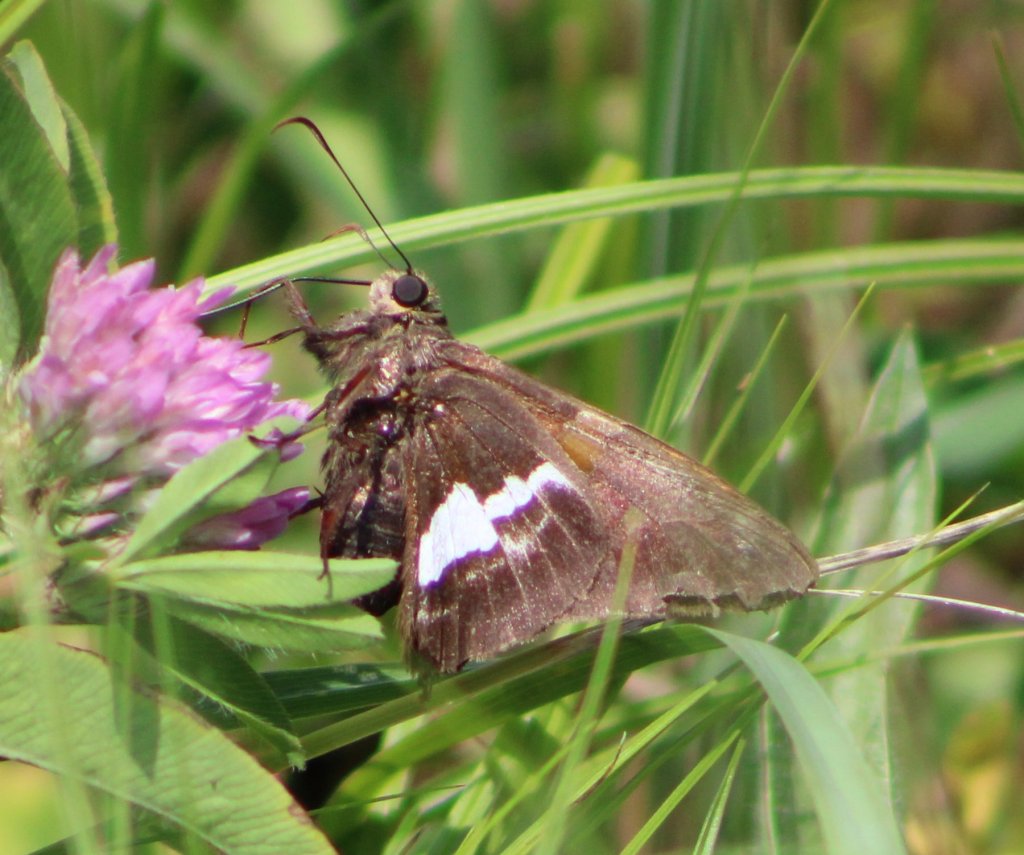
I’m thinking this is a moth. I did a quick search, but I couldn’t find one with that white pattern on the wings. We’ll just say it’s a handsome creature.
Species #2. Dragonfly. Lovely green and yellow face!
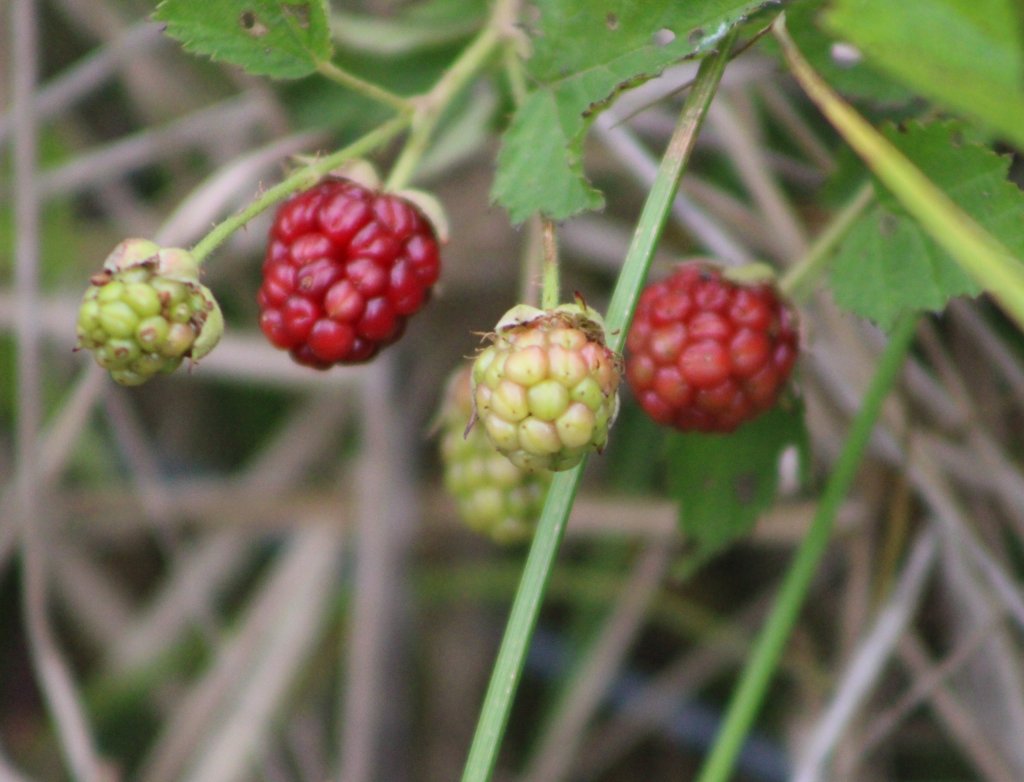
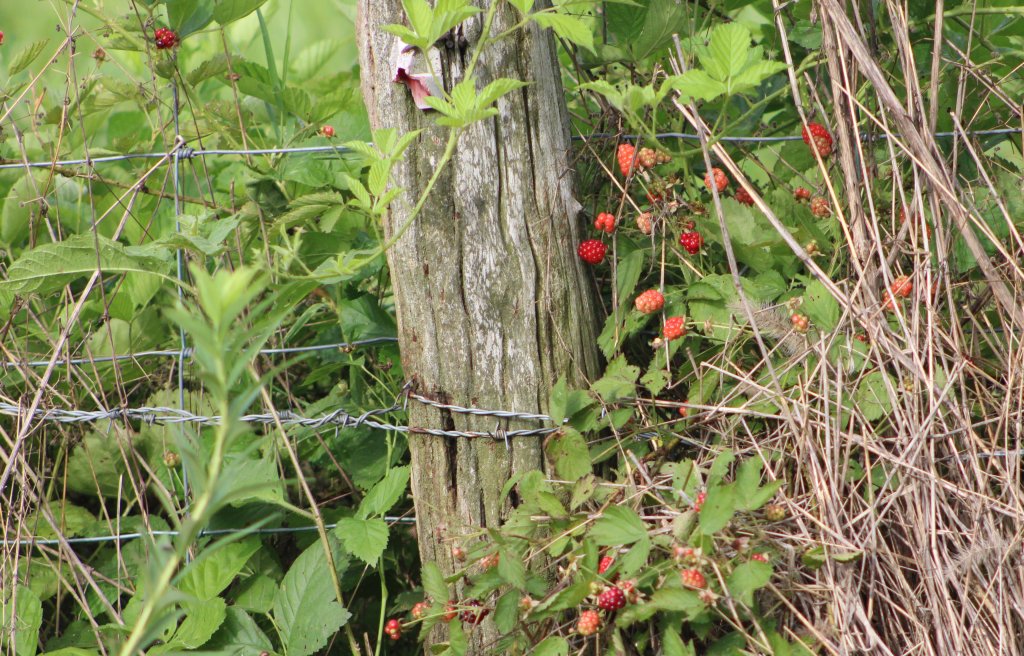
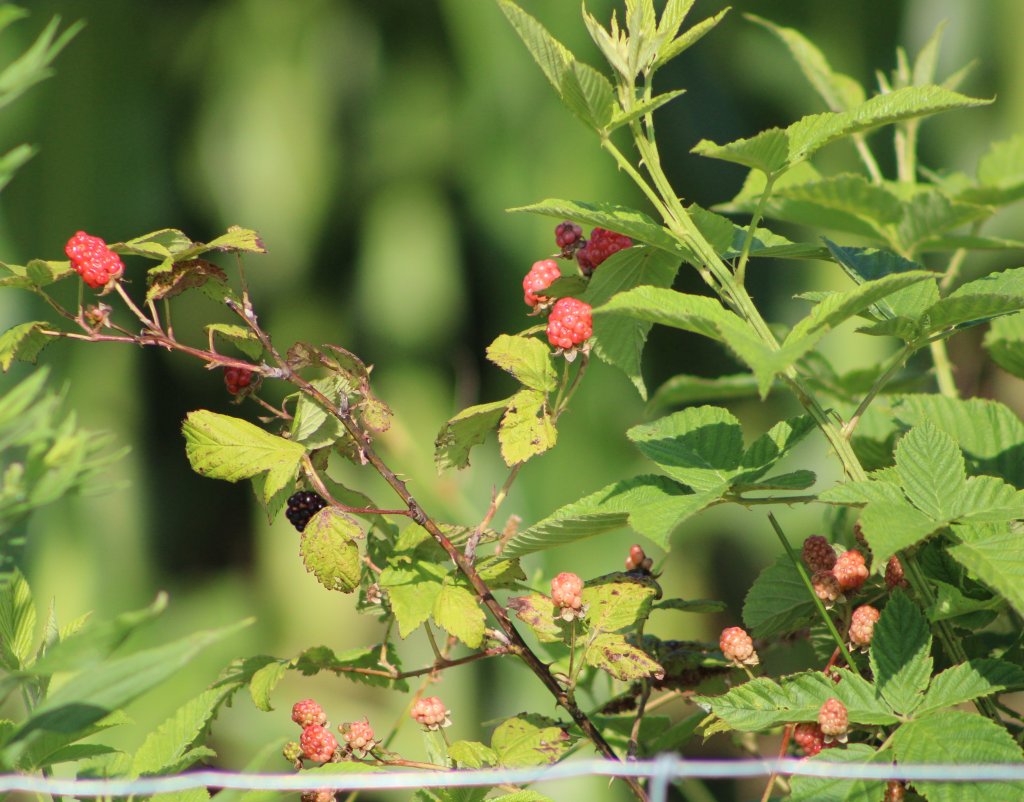
These are wild raspberries, or maybe blackberries. The blackberries will appear red before they ripen to a deep purple.
These plants are found all over in the hedgerows. One person’s weed is another person’s wild flower. I’m the latter sort of individual.
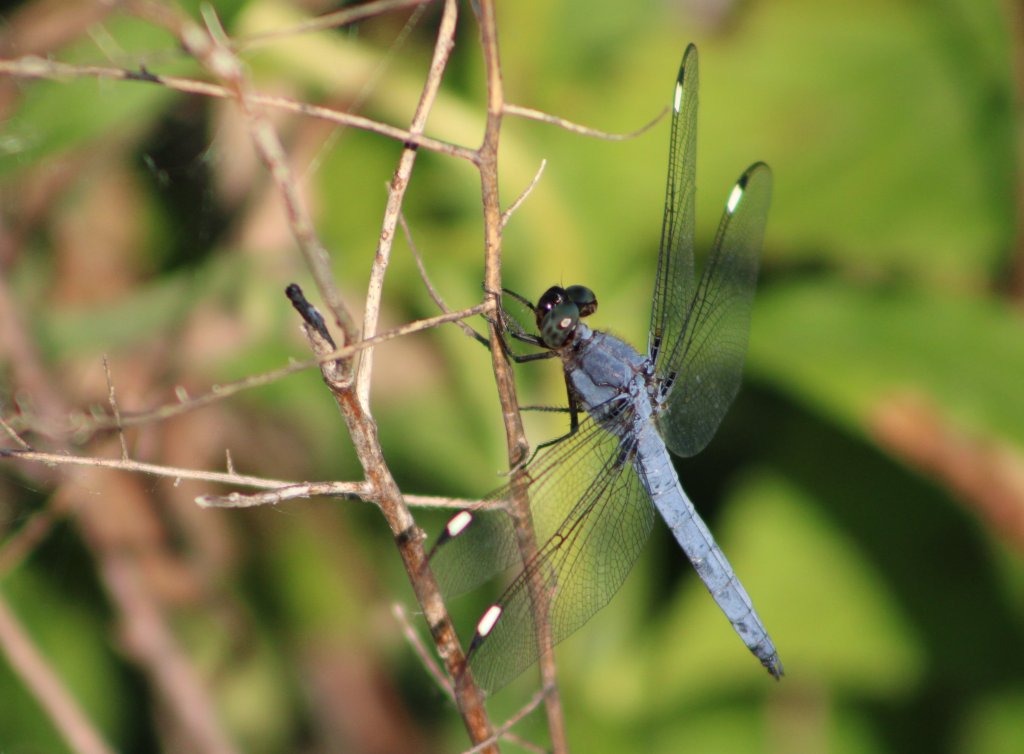
Species #3 of the dragonflies.
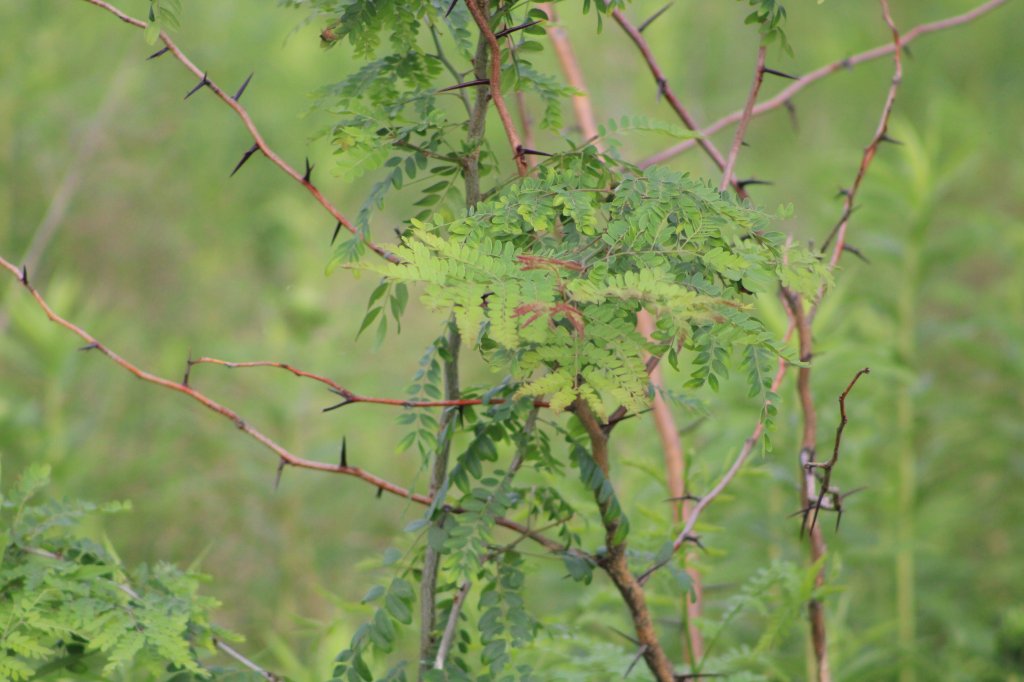
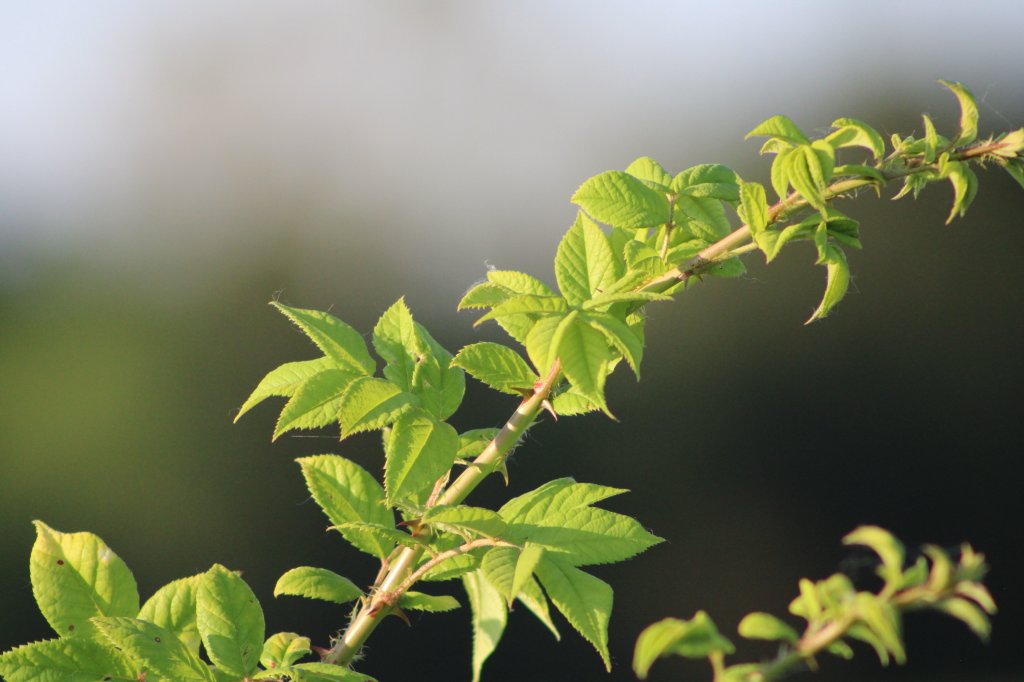
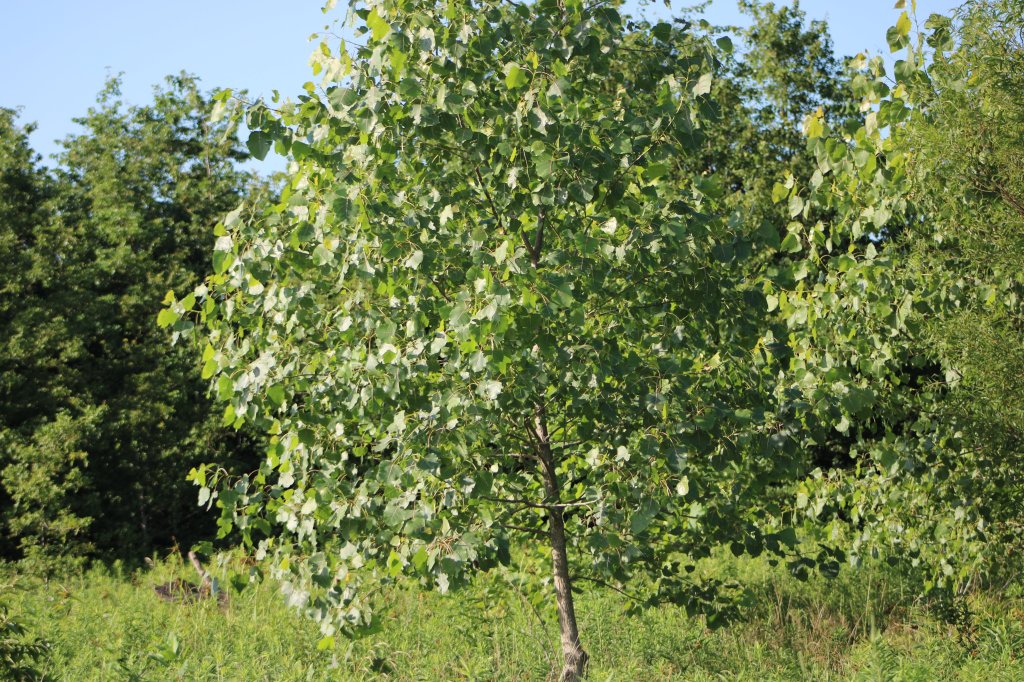
This tree has “volunteered” to grow in a large patch of weeds that was once the herding A field. We haven’t mowed that space in many years, and for some reason the hay guy excludes it. It has become natural experiment, and this tree is just one of the study subjects. The leaves look like s sort of locust tree. Yet, the extreme thorns appear to be something out of Africa!
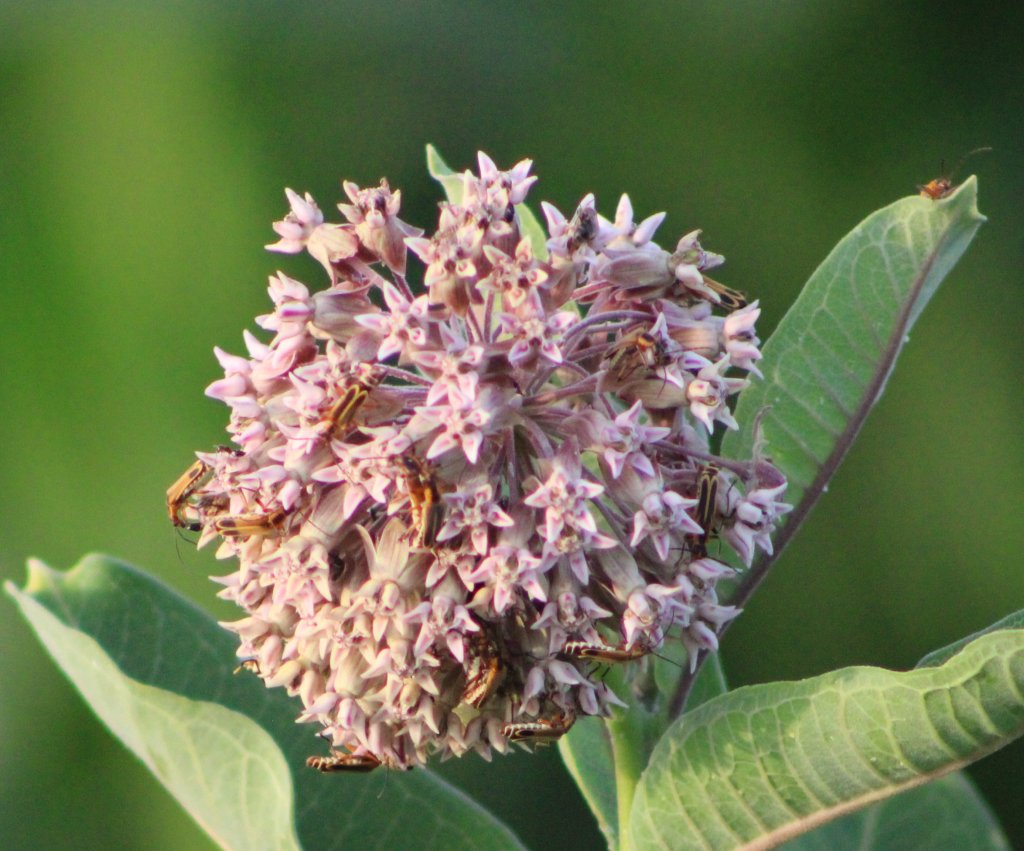
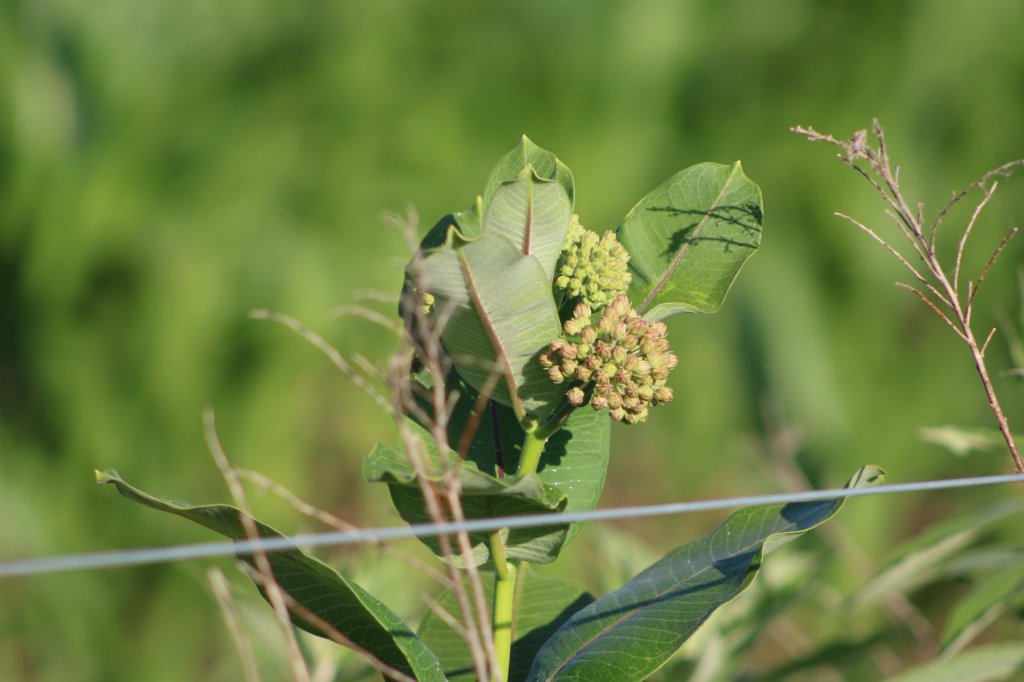
This is a milkweed plant in bloom. If you look closely, you will see beetles that are obviously attracted to it ( for food, protection from predators, who knows?)
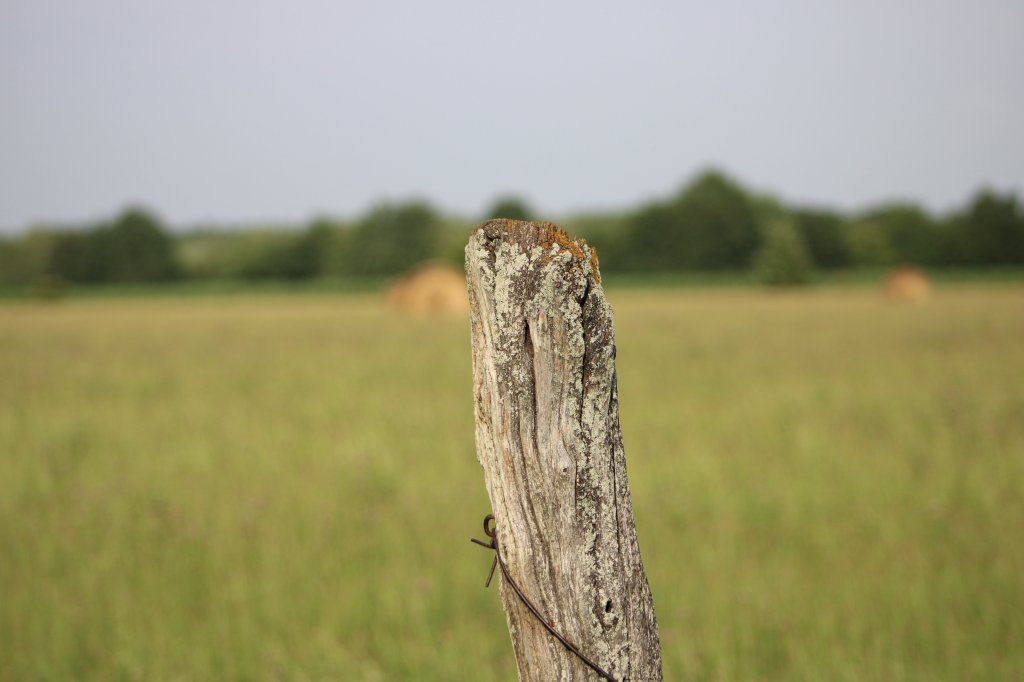
An old “hedge tree” post that once secured the cattle that were grazed around the pond – years before we bought the place.
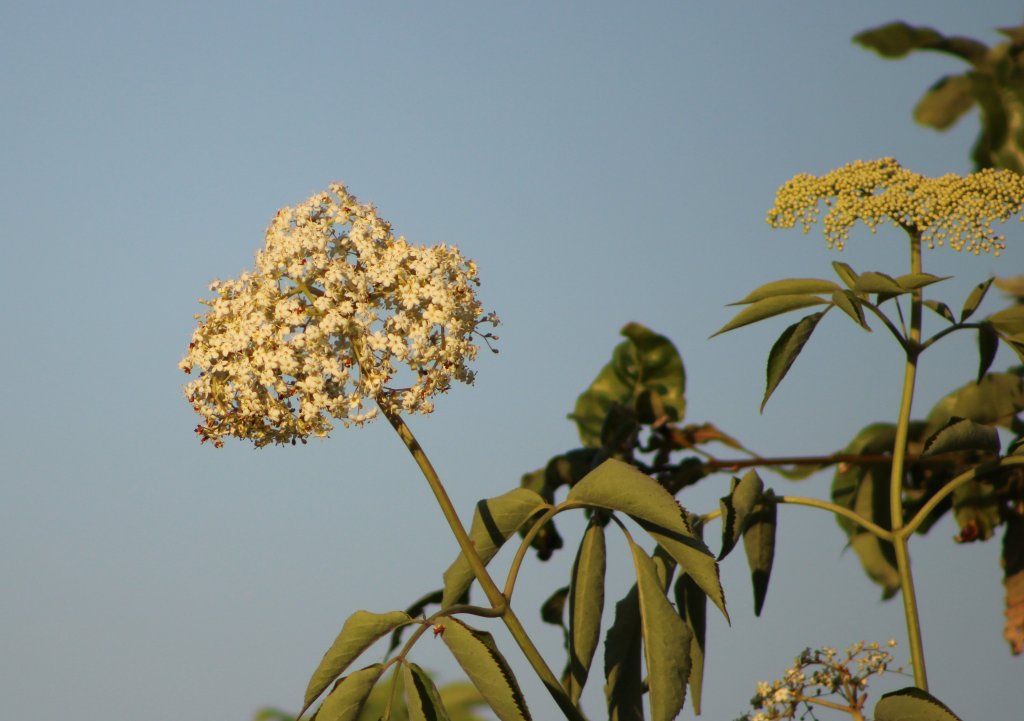
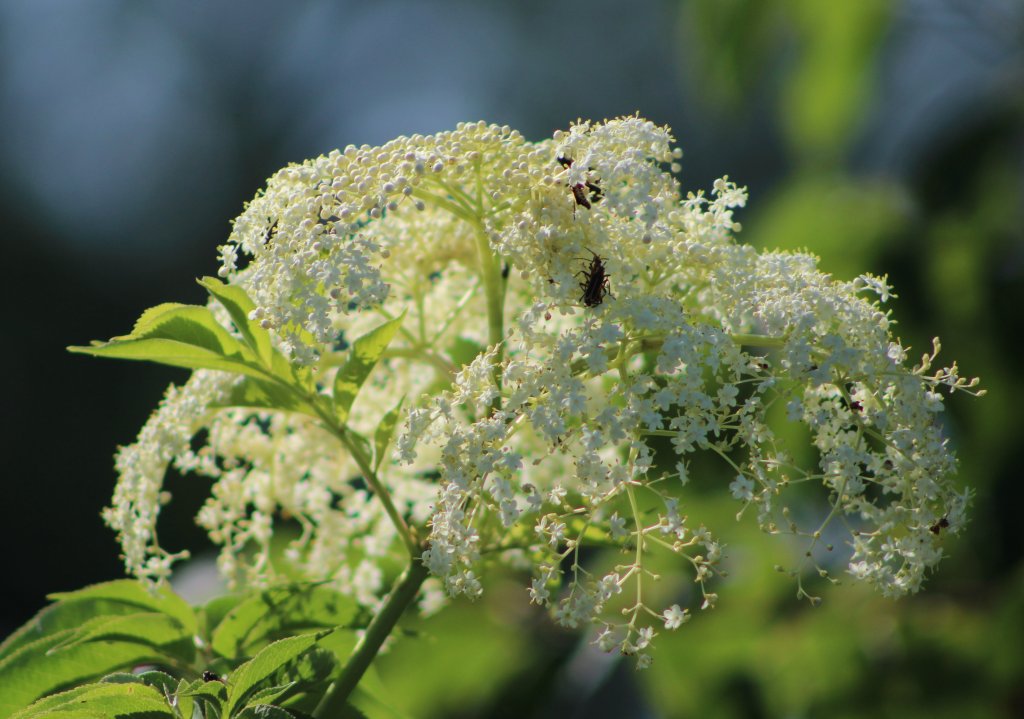
These are the flowers of a “weed tree” for lack of a better term. The trees grow in hedgerows of fenced areas.
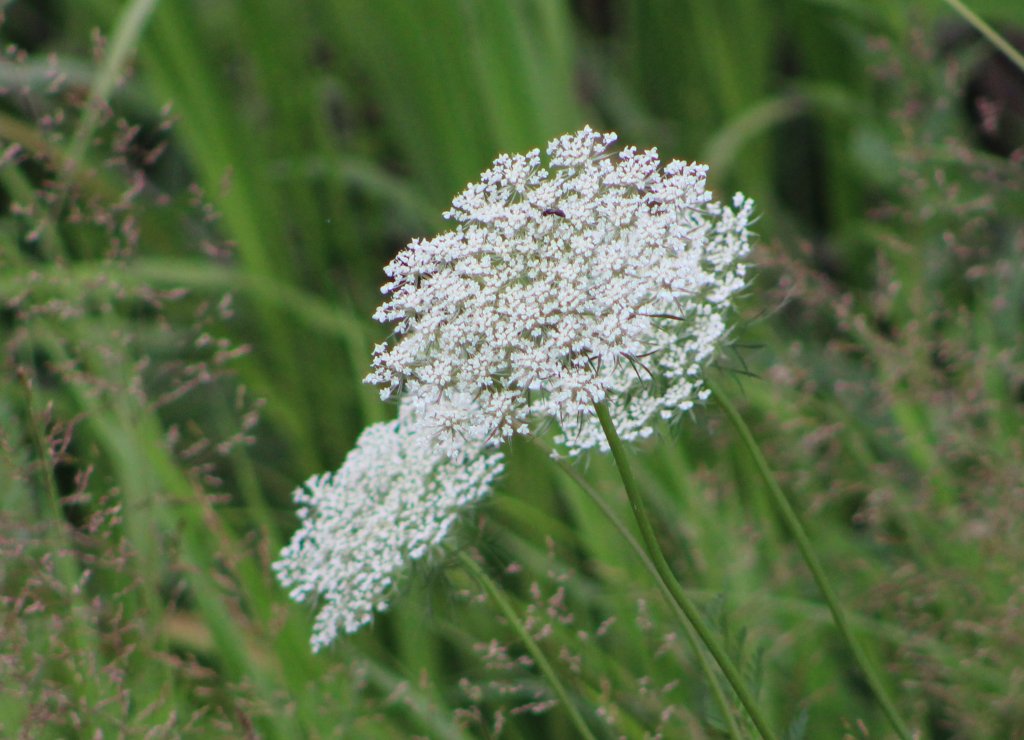
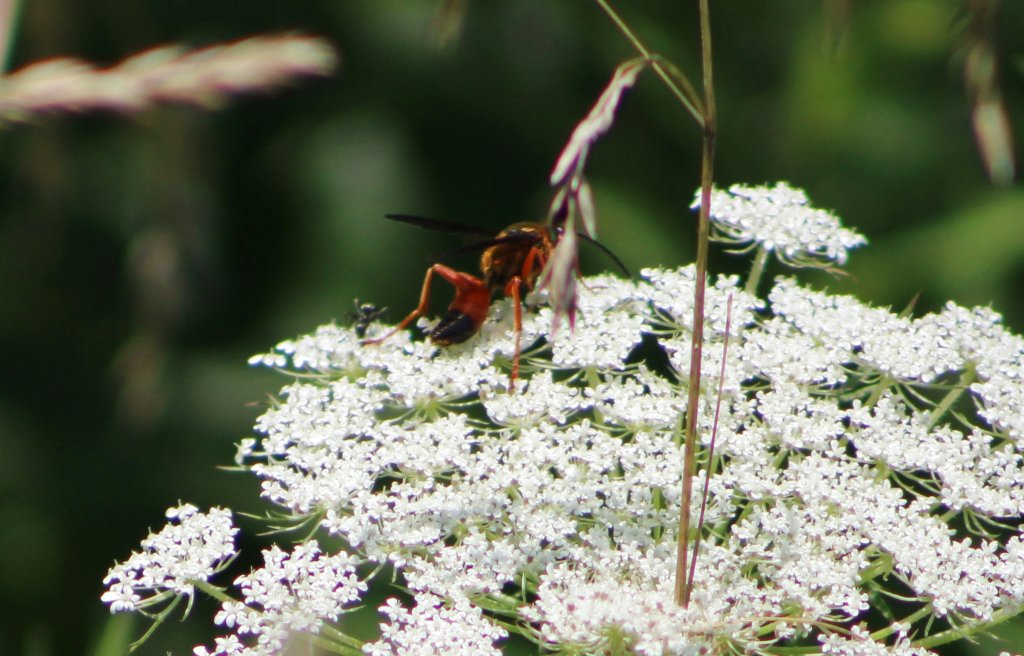
Queen Ann’s Lace – oh, and there’s a little insect on the top!
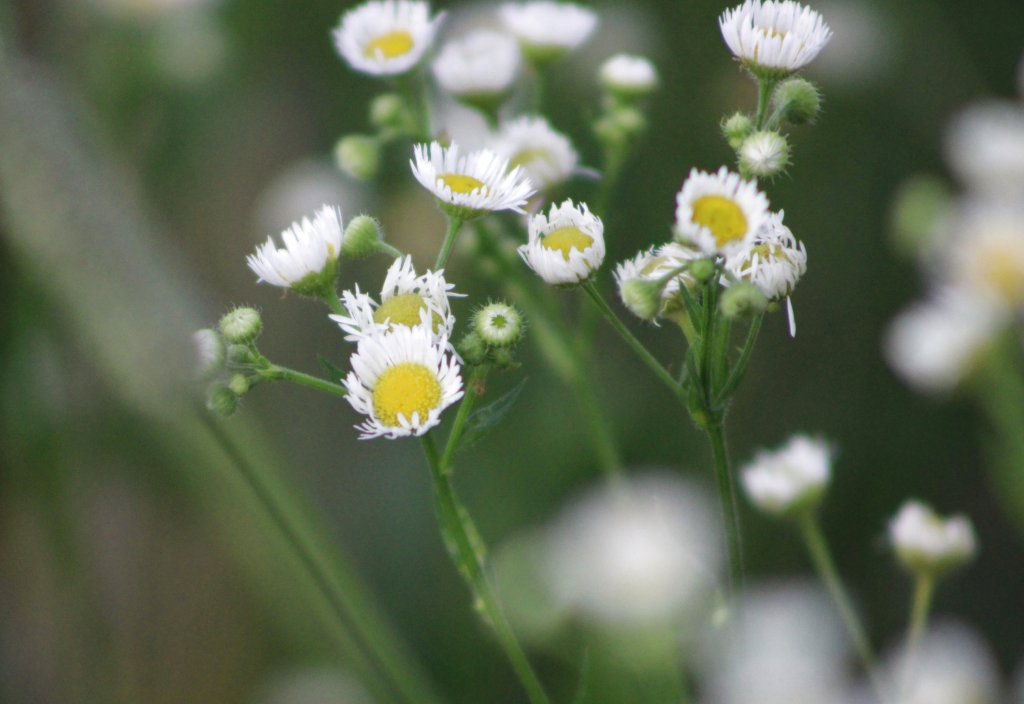
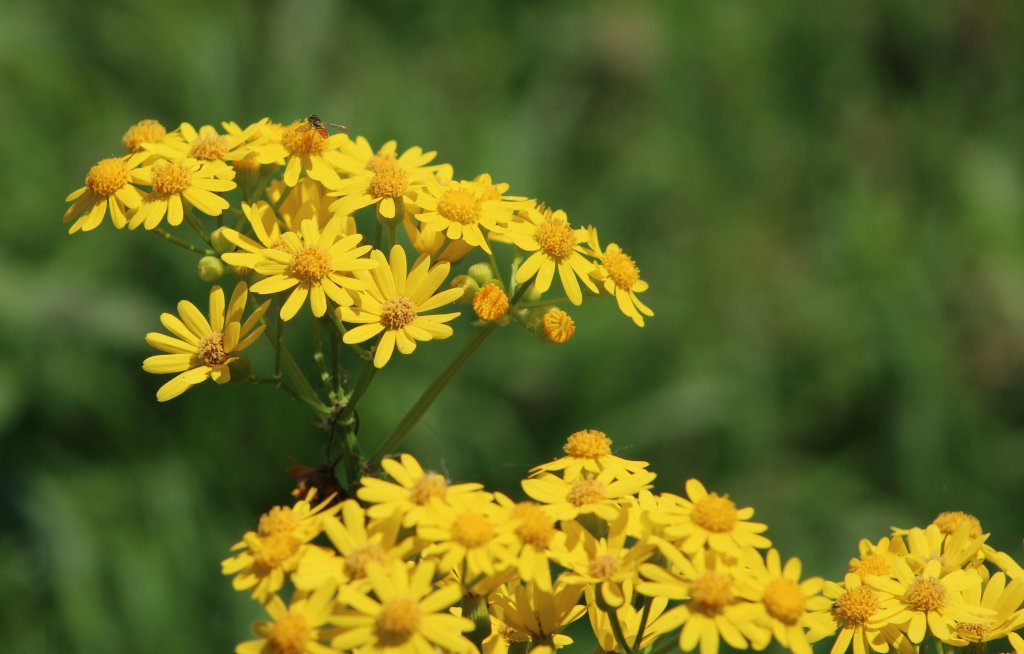
Wild flowers. These bloom in late May. They can take hold across an entire yet-to-be-plowed crop field. When that happens, they look as if they are the crop.
Wild blackberry bush.
Milkweed
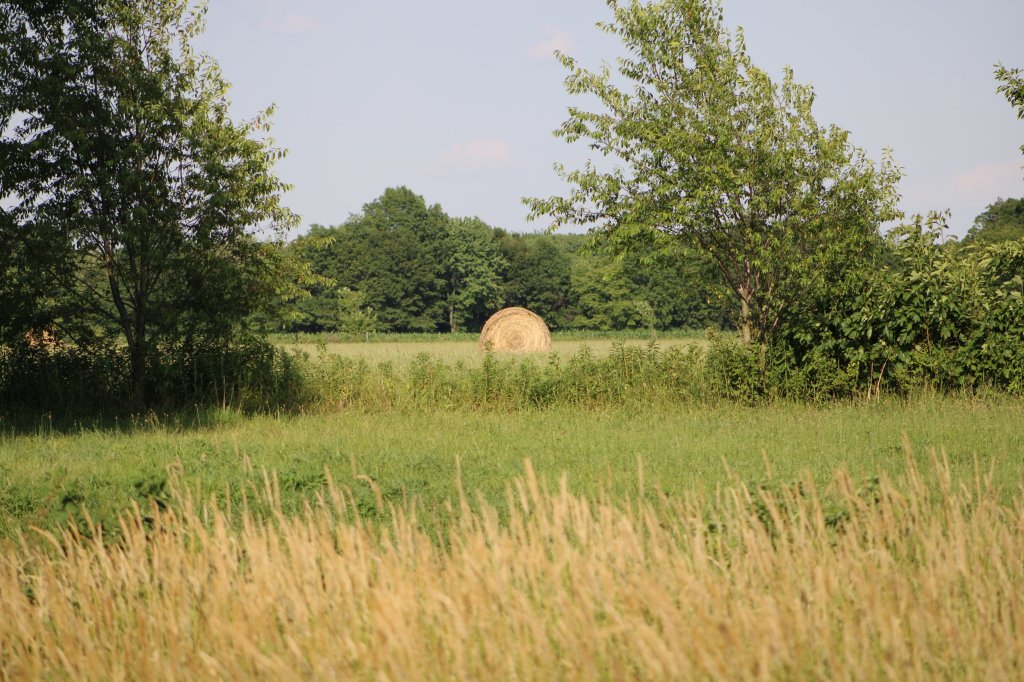
The foreground is the grass around the north (shallow) end of the pond. Just beyond is the meadow around the pond, then the hedgerow trees that took hold along a fence line that has long been removed. Next is Jaye’s Pasture (nearly 20 acres of grasses that have naturalized over the past two decades.) The hay bale was harvested earlier this year. Beyond Jaye’s Pasture you can see the east property line which runs along the neighbor’s field of corn. All these areas provide different small environments for a variety of plants and animals to make a living.
Wild blackberries growing in the hedgerow of a fence line. To me, this image captures the essence of our property in many ways.
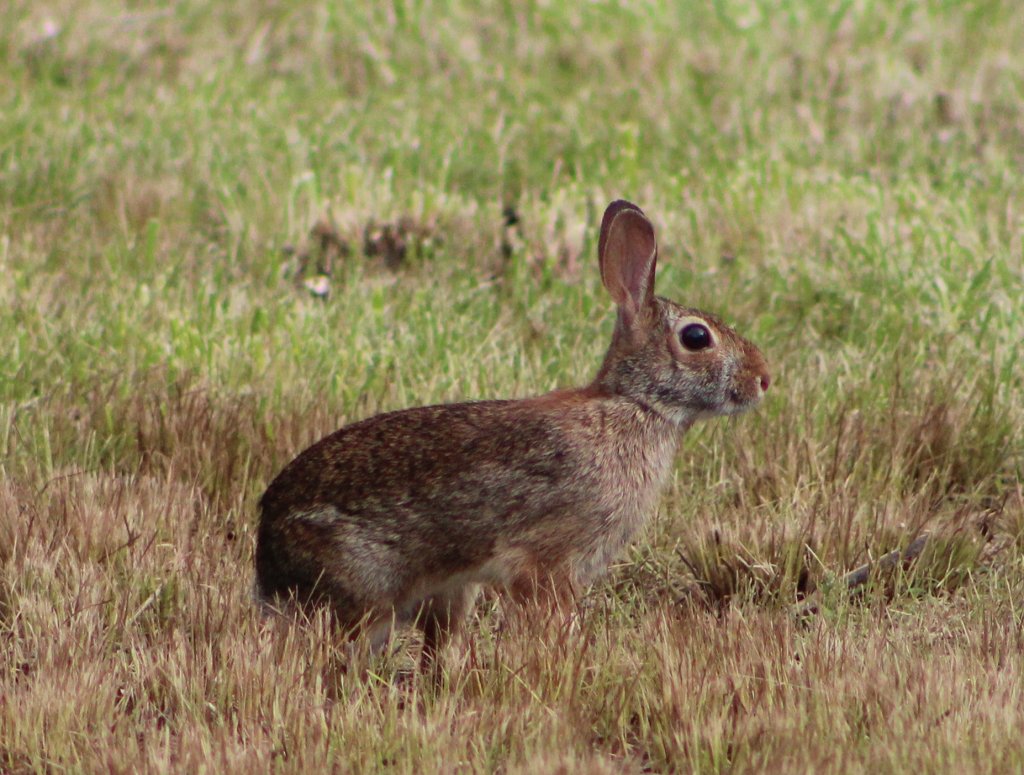
Bunny. Most probably an Eastern cottontail rabbit.
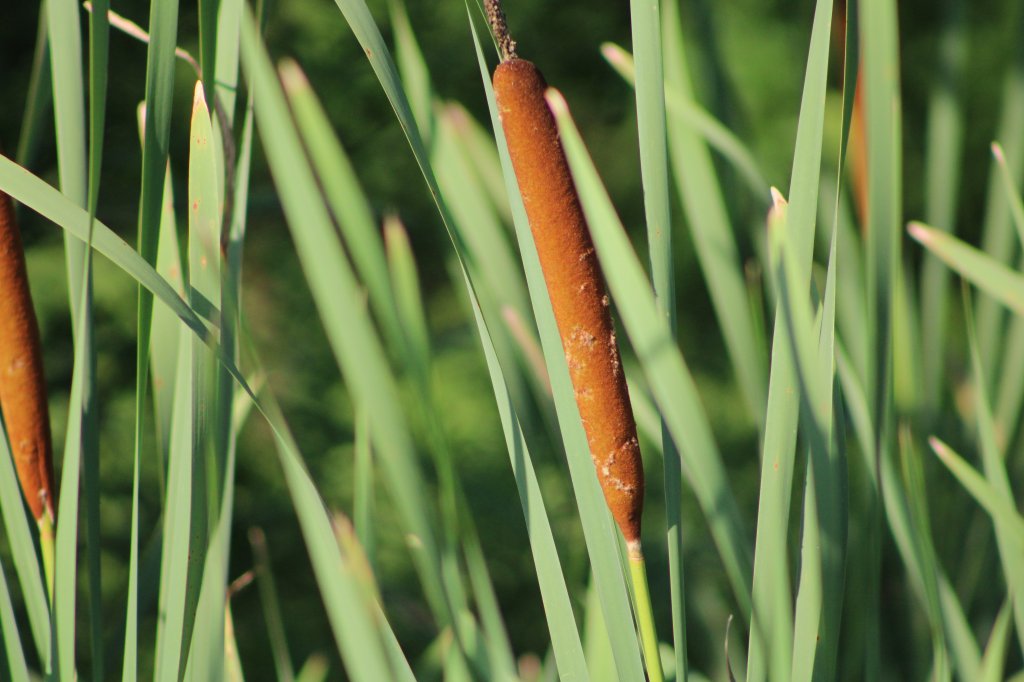
Cat tails. They only grow where there’s sufficient moisture in the soil. You might think these are near the pond. But, these are growing in a two acre corner of the west hay field. The hay guy quit cutting in that area when we dumped several large tree stumps there. In preparation of building our new house in 2016, we had to cut down a couple big trees to create a driveway access. We hauled the stumps in this area because it was out of the way. Now, after only four years of “going wild” these cat tails have taken over one corner and there are even trees growing in this patch of land.
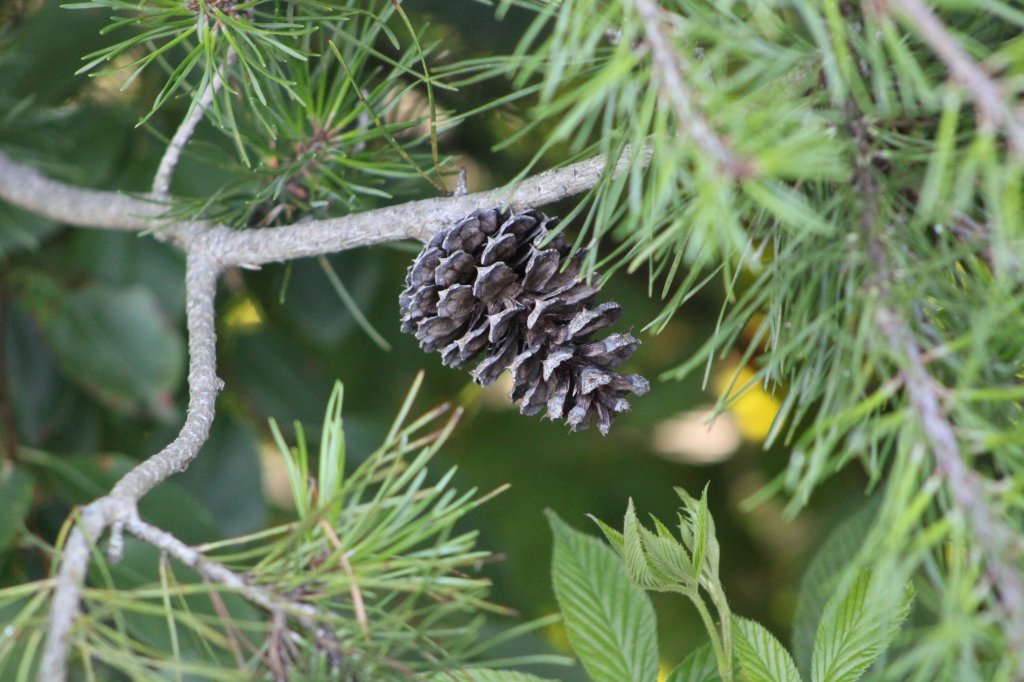
There are three or four massive ponderosa pine trees north of the pond. I love that space because it is so unique.
These are blackberries. You can tell because there’s one fruit that has already ripened
The blossom on one of the hedgerow “weed” trees.
This is one of the trees that has grown since 2016 when this little corner of the west hay field was allowed to grow natural.
Looks like the same species as previously displayed… but photographed a different day.
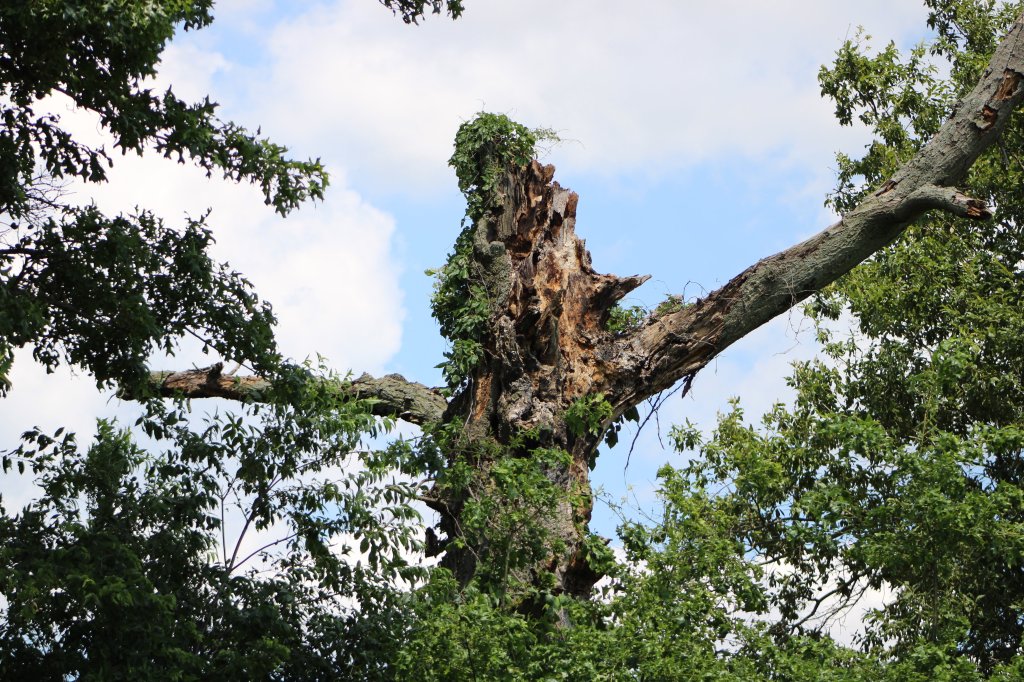
I call this the “old man with outstretched arms” tree. It dead or dying. Woodpeckers have excavated many pits – perhaps even nest cavities, in the head and arms of this massive tree. I suspect it was hit by lightening, lost its top and slowly gave up.
I think this might be the forth type of dragonfly I filmed. He appears to be holding on for dear life.
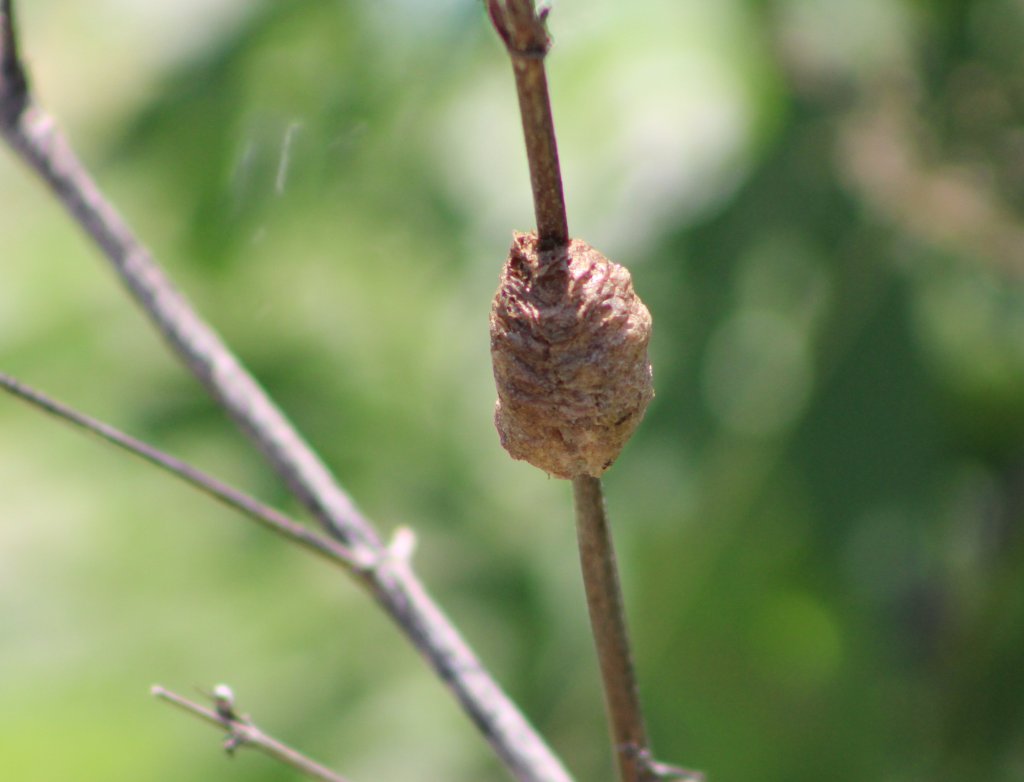
I don’t know what this is…I’m assuming it’s an insect nest.
Nice to have filmed him, glad I didn’t meet him in person.
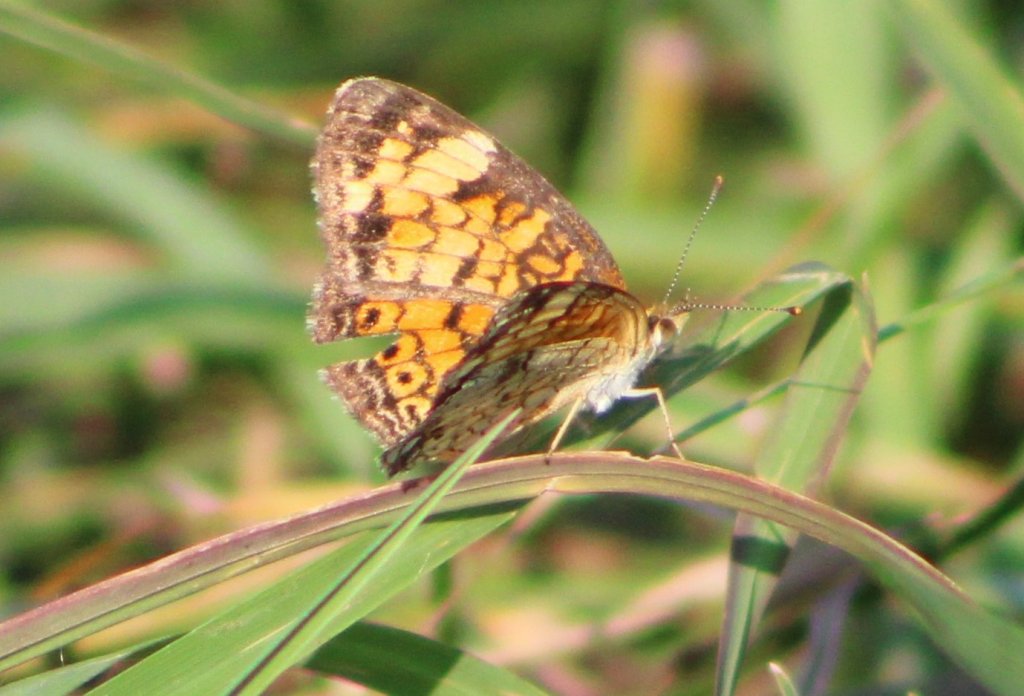
Unknown, but not unappreciated, butterfly.
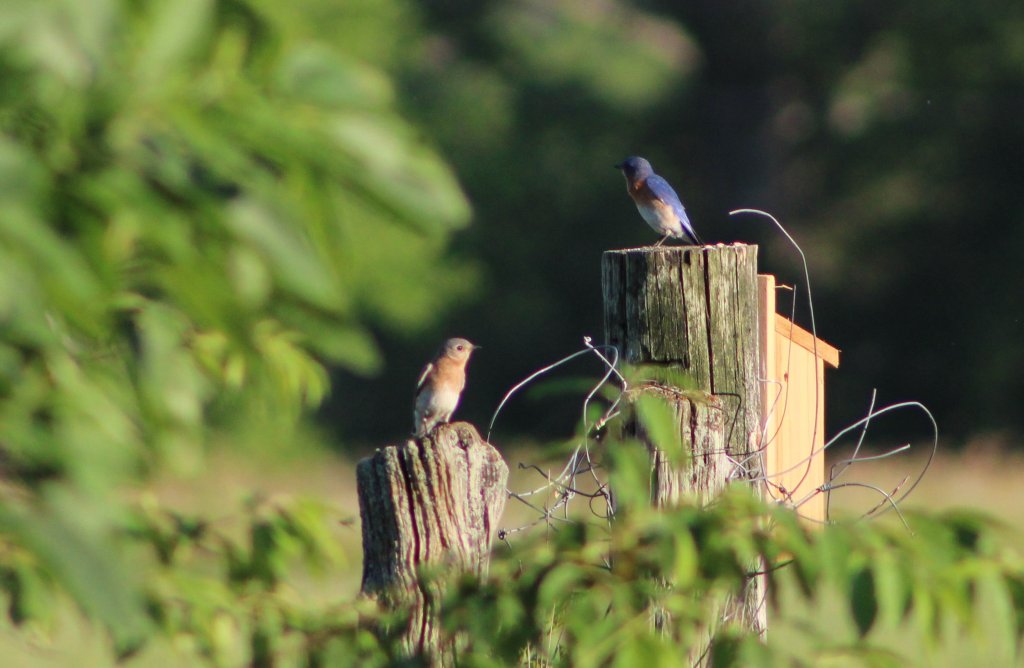
I know this isn’t supposed to be a post about the birds, but I wouldn’t have taken most of the above shots if I weren’t out looking for Bluebirds.
Wow – what a fantastic post. Cannot believe the work you put into this post. Your photos are spectacular. Thanks for sharing nature with all of us. Great job.
Thank you, Peggy. I truly appreciate your feedback. I’m happy that you enjoyed the photos. That tells me that you are another nature lover – there can’t be too many in the world!
I love dragonflies! We have a water reclamation wetlands near our home that we recently discovered. This spring it became filled with amazing beautiful dragonflies. I was told there were 18 species there. I think I’ve only identified 3 or 4. Nice photos!
Thank you for the kind feedback. I was down by the water’s edge of our pond yesterday and there was a flurry of dragonfly activity, including ones I hadn’t seen before. Very small ones, and mega large ones and others in-between! None wanted to stand still for a moment for me to photograph them. Perhaps, I will be lucky today.


Wow – what a fantastic post. Cannot believe the work you put into this post. Your photos are spectacular. Thanks for sharing nature with all of us. Great job.
Thank you, Peggy. I truly appreciate your feedback. I’m happy that you enjoyed the photos. That tells me that you are another nature lover – there can’t be too many in the world!
I love dragonflies! We have a water reclamation wetlands near our home that we recently discovered. This spring it became filled with amazing beautiful dragonflies. I was told there were 18 species there. I think I’ve only identified 3 or 4. Nice photos!
Thank you for the kind feedback. I was down by the water’s edge of our pond yesterday and there was a flurry of dragonfly activity, including ones I hadn’t seen before. Very small ones, and mega large ones and others in-between! None wanted to stand still for a moment for me to photograph them. Perhaps, I will be lucky today.
Keep trying, they are just so fascinating!